
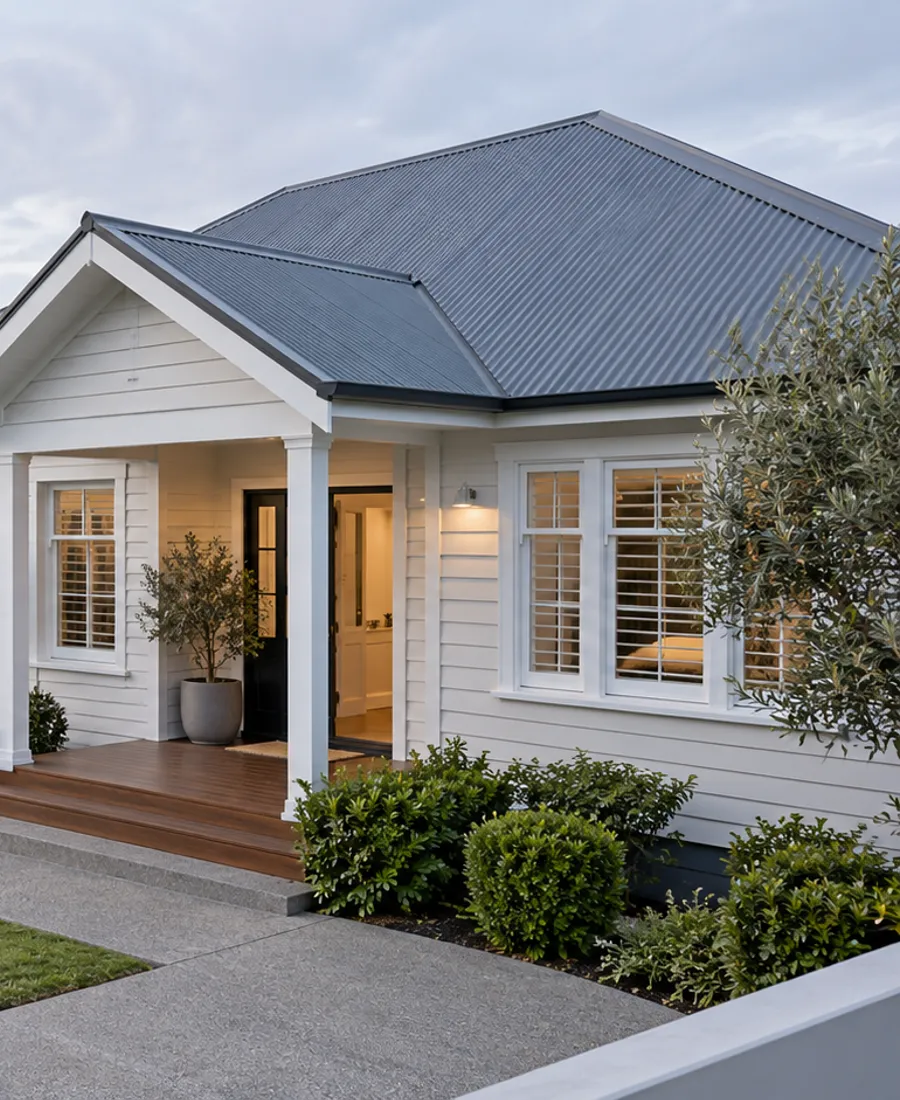
Entrance and hall
Everyone passes through several times a day. Agree when it will be blocked or damp, and which other door the household will use meanwhile.
Auckland Roof Painting Pros
Thoughtful preparation. A considered finish. Start with a conversation about your property.
Start with the surface
Our Auckland Residential Painting service starts with the property and the surfaces involved. For residential painting, the important considerations include home interiors, exterior cladding and coordination with roof work. Understanding the existing material, coating and condition helps define the right preparation before a finish is selected. Tell us about visible wear, previous work and any areas that need particular attention.
A useful proposal should set out the surfaces included, preparation, any agreed repairs, the coating system and access arrangements. Timing also needs to allow for suitable application and drying conditions. Share your address, photographs and preferred timing through the enquiry form, or call to discuss the project. We can then clarify the details that need assessment and the next step for your property.
Household zones
Before colours, mark the parts of the house that cannot go out of action. They shape the whole programme.
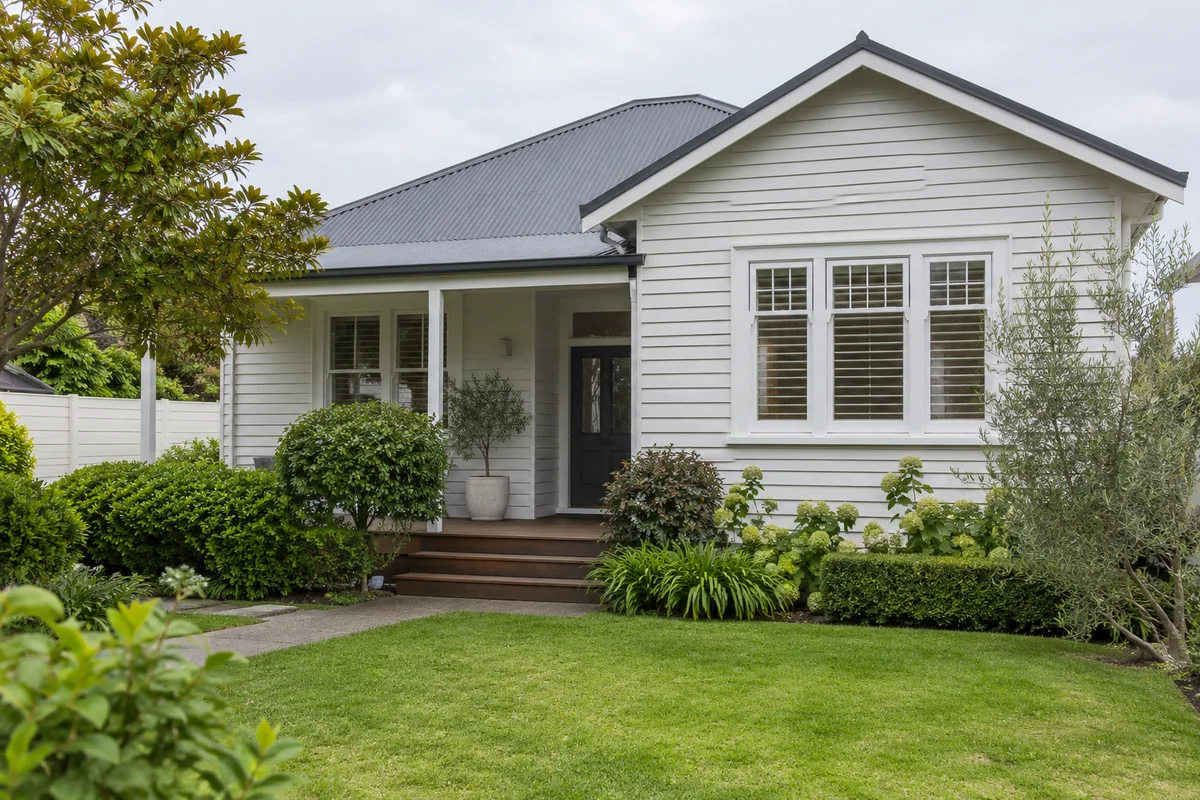
Everyone passes through several times a day. Agree when it will be blocked or damp, and which other door the household will use meanwhile.
Meals and washing carry on. Stage the work so there is always somewhere to cook and a clear route to the washing machine.
Sleep is the hard one. Finish each bedroom early enough to be aired and used that night, and decide where people sleep in the meantime.
Ladders, tins and trade vehicles need room. Say which cars must get out and when, and where visitors can park.
Daily life
A painted home is the goal. A calm household on the way there is part of the job.
Wet surfaces, open tins and ladders are not for small hands or curious paws. Agree which rooms are off limits, which doors and gates stay shut, and who keeps animals out of work areas. Ask for product names so you can read the label guidance yourself.
Sanding, moving ladders and conversation carry through a house. Tell us which days you have calls and which room you need to keep until last. A fixed quiet room, or a block of quiet hours, is easier to protect than a loose promise.
School runs, showers and dinner set the real working day. Agree start and finish times, when the bathroom must be free and when the house settles for the night, then write them down so everyone, painters included, works to the same plan.
If nobody is home on a work day, decide how painters get in, who knows the alarm arrangements and what is put out of the way. Say if cleaners, neighbours or visitors will also be coming and going.
Occupied-home answers
Often, yes, with a plan. It depends on how many rooms are involved, who lives there and how sensitive they are to smells and noise. Some households move out for a short stretch during a whole-interior job. Talk it through before dates are fixed.
Ask for bedrooms to be done one at a time, each finished and aired before the next starts. Keep a spare room or lounge clear as the fallback, and get the room order in writing so you can arrange beds around it.
A short word helps. Ladders near a boundary, a shared drive or a scaffold over a neighbouring path all affect them, and noise carries. Give them rough dates and a contact. Where access crosses their land, ask permission rather than assume.
Say so at the start. Ask which products are proposed, whether lower-odour options suit those surfaces and how rooms will be ventilated. Read the product information, and for health questions check with your own medical adviser before work begins.
Mid-project home
What a well-planned occupied job tends to look like from the household side.
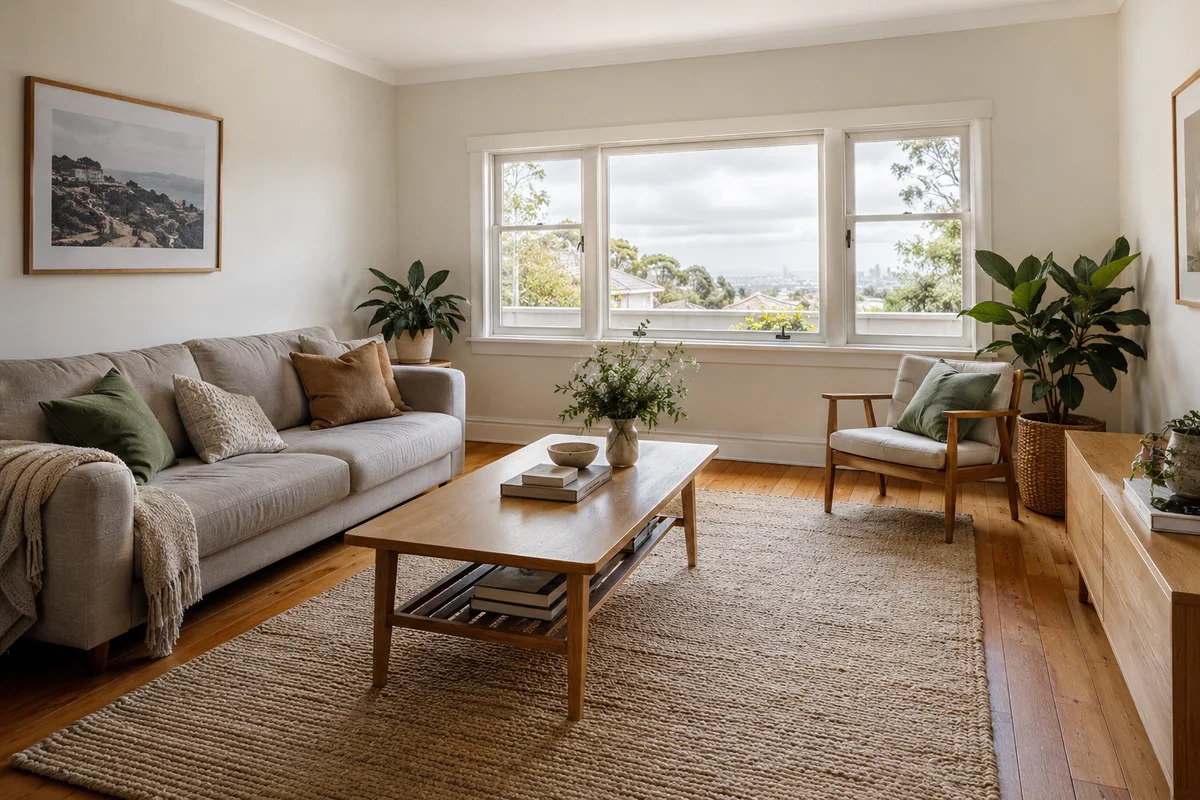
Floors covered first, uncovered last, so the room stays usable
The front entrance kept clear for everyone who still lives here

Tins and tools stored in one tidy corner, not the hallway

Samples taped up where the family will actually see them
Home painting pages
Once the household plan is settled, these pages cover the surfaces themselves.
Covers coordinating the inside and outside of a home as one written scope.
Goes into wall condition, sheen and finishes for the rooms you live in every day.
Explains elevations, cladding and access, including what ladders and scaffold mean for your garden and driveway.
A roof job has its own access and timing, worth sequencing with wall work so the household is disturbed once.
Useful when family members disagree on colours and need large samples before anyone commits.
Site vocabulary
A few terms come up in every occupied-home conversation. Here is what they mean.
Household brief
Send your rooms, the household routine and any pets or home working, with photos taken from the ground. That gives us what we need to talk through a sequence that suits you.