
Auckland / North Shore
Roof Painting Albany
Thoughtful preparation. A considered finish. Start with a conversation about your property.
Start with the surface
Roof Painting in Albany
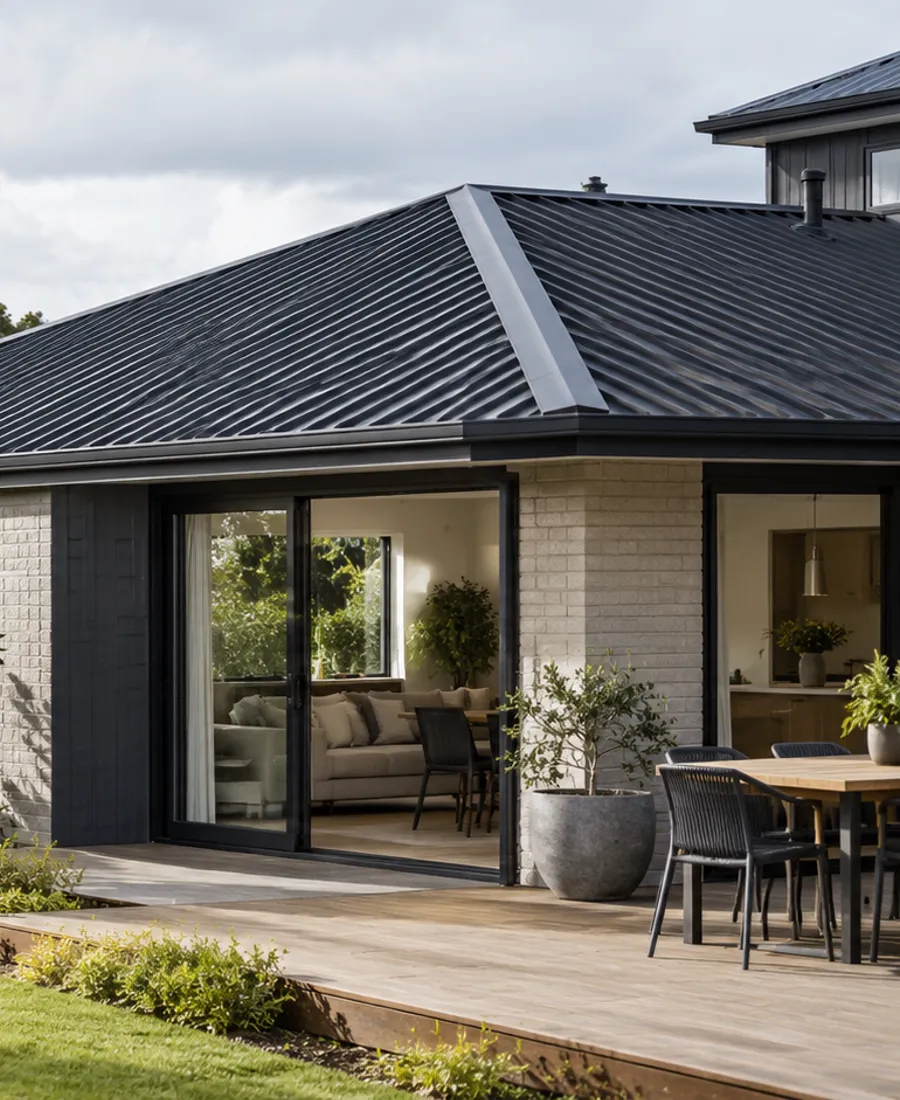
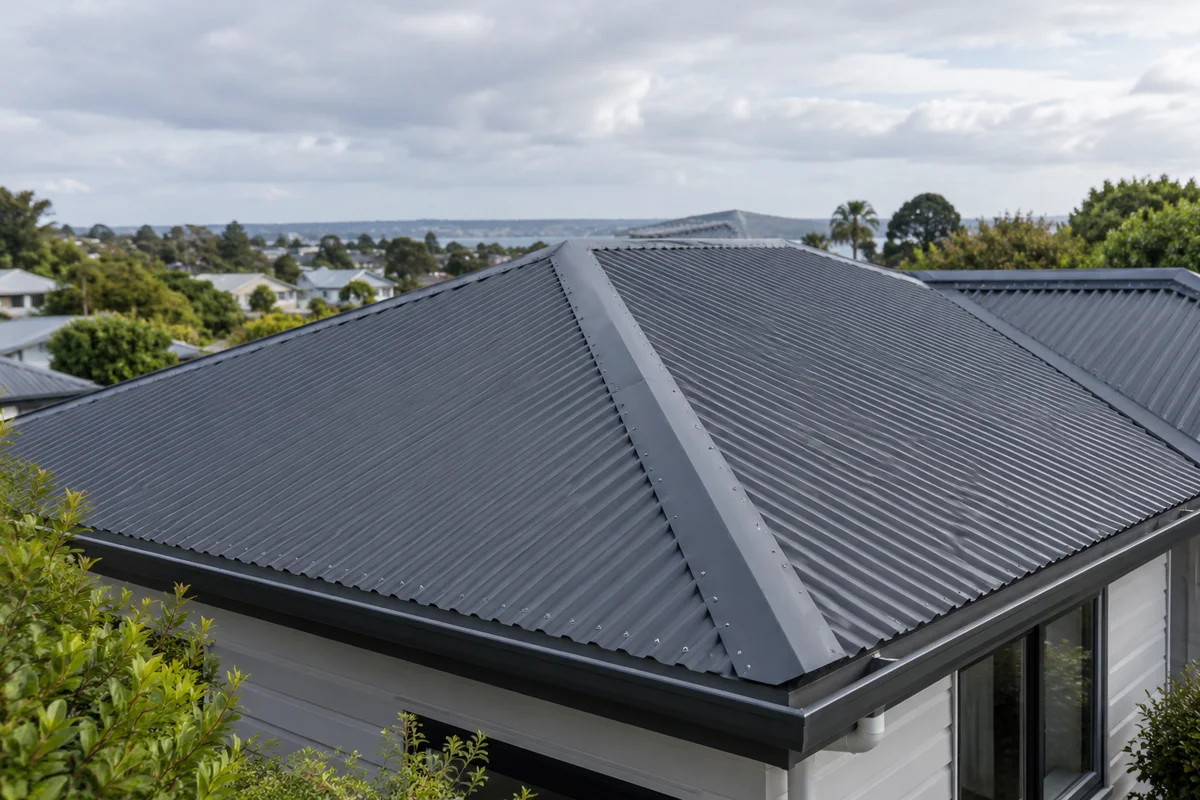
Planning Roof Painting Albany starts with understanding your own roof rather than choosing a colour alone. Metal and concrete tile surfaces can need different preparation, and the existing coating, visible wear and repair history all matter. Tell us whether the roof is fading, flaking or showing signs of damage so the enquiry can focus on the work your property needs.
For a home, rental or shared building in Albany, access and approval arrangements are part of the conversation. Include the number of storeys, any shared driveway or body corporate requirements, and photographs taken safely from the ground. Preparation, repair needs and a compatible coating system should be clear before work is agreed. Use the form to describe your roof, or call to discuss an assessment and a practical next step.
Decision-makers
Whose roof is it, exactly?
A mixed hub means the person who makes the enquiry is not always the person who can say yes. A townhouse owner may share a roof with neighbours, a tenant may not control the building, and a business may answer to a landlord. Settle that first and the scope can be written for the right person.
Strata schedules for townhouse blocksQuestions by property type
Owners in a townhouse row
Find out whether the roof is common property and who holds the approved colours before you ask for a scope.
Tenant or landlord of a commercial unit
Check who is responsible for the roof under the lease, and involve the person who approves spending from the start.
Owner of a newer home
You can usually decide yourself, but builder or developer paperwork may say what is already on the roof.
Before you ring
Property facts to pull together
Most of this is already in your head or your files. Gathering it once saves several rounds of questions.
- What the building is used for, and whether anyone lives or works under the roof.
- Opening hours, shift patterns and the doors that must stay usable.
- Shared parking, driveways and any rules for contractors on site.
- Tenants or occupiers who need notice before access begins.
- Roof material and number of storeys, if you know them.
- Earlier repairs or recoating, with dates where you have them.
Site protection
Around the building, not just on it
Cleaning and coating disturb more than the roof. Mark what needs protecting before anything starts.
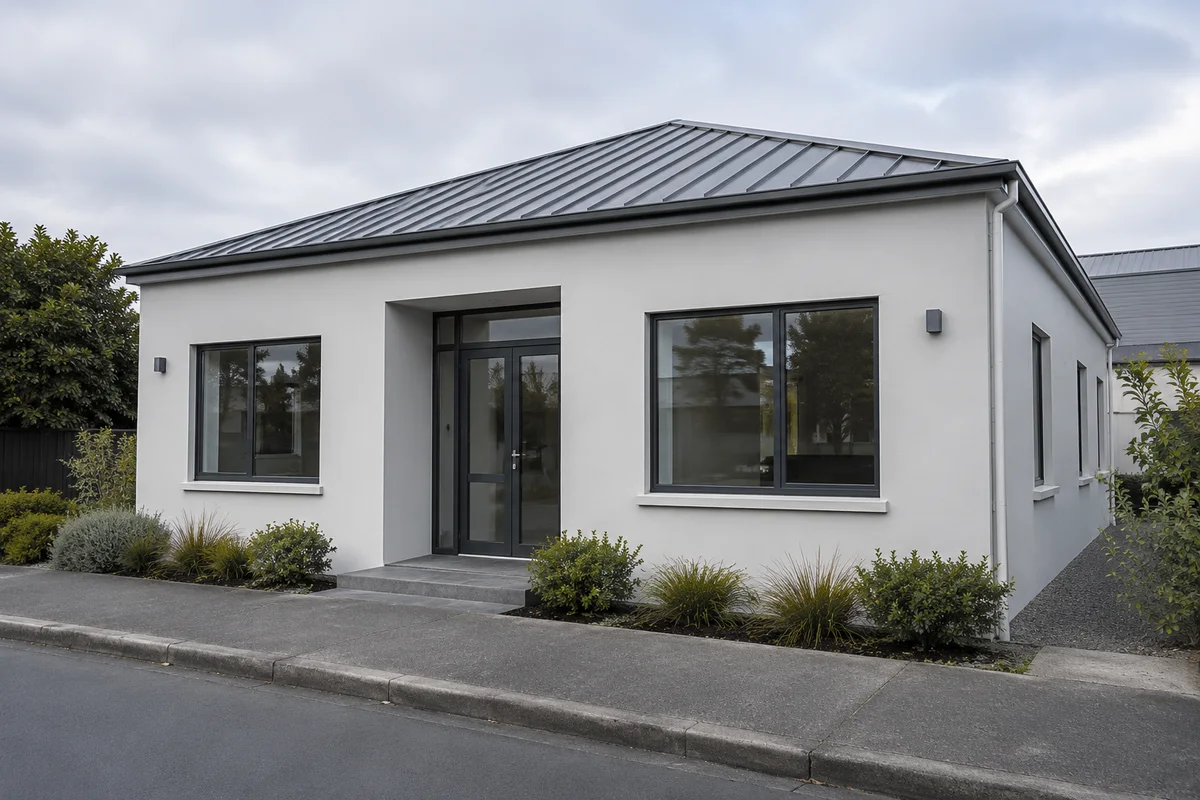
Customer entrances kept clear and signed
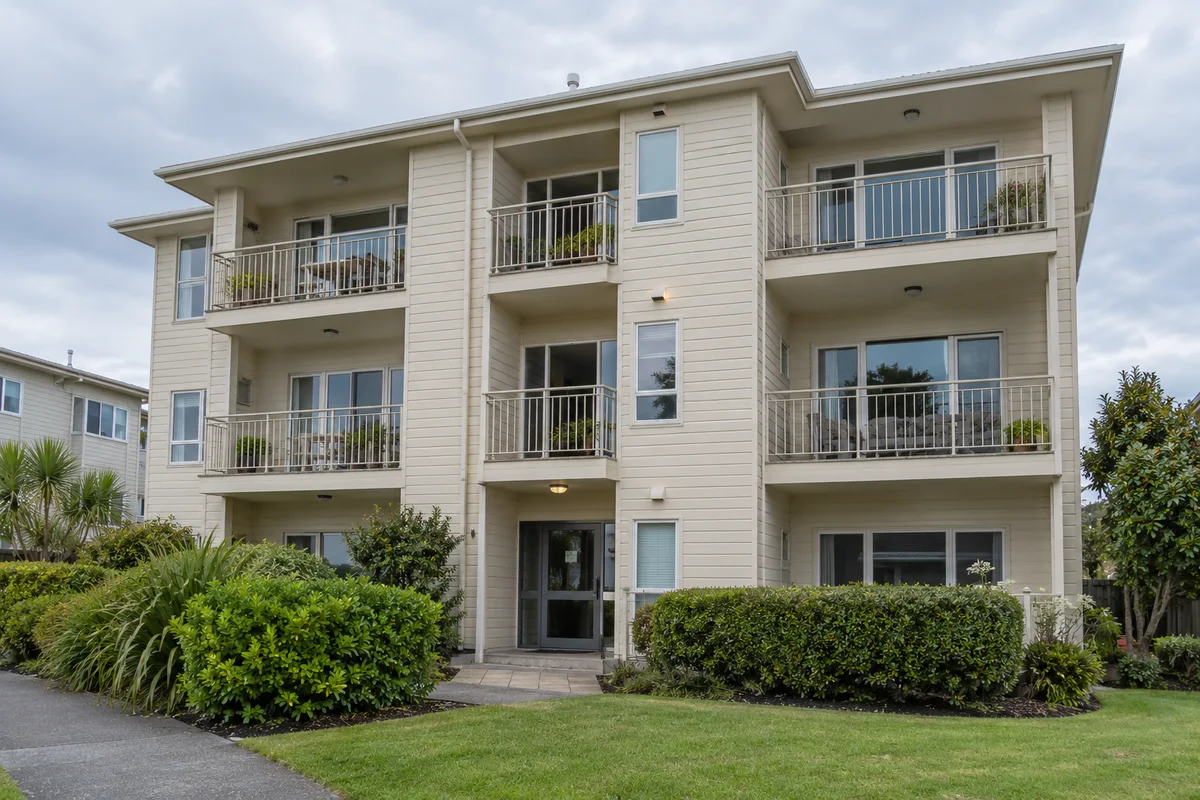
Visitor parking and shared driveways agreed
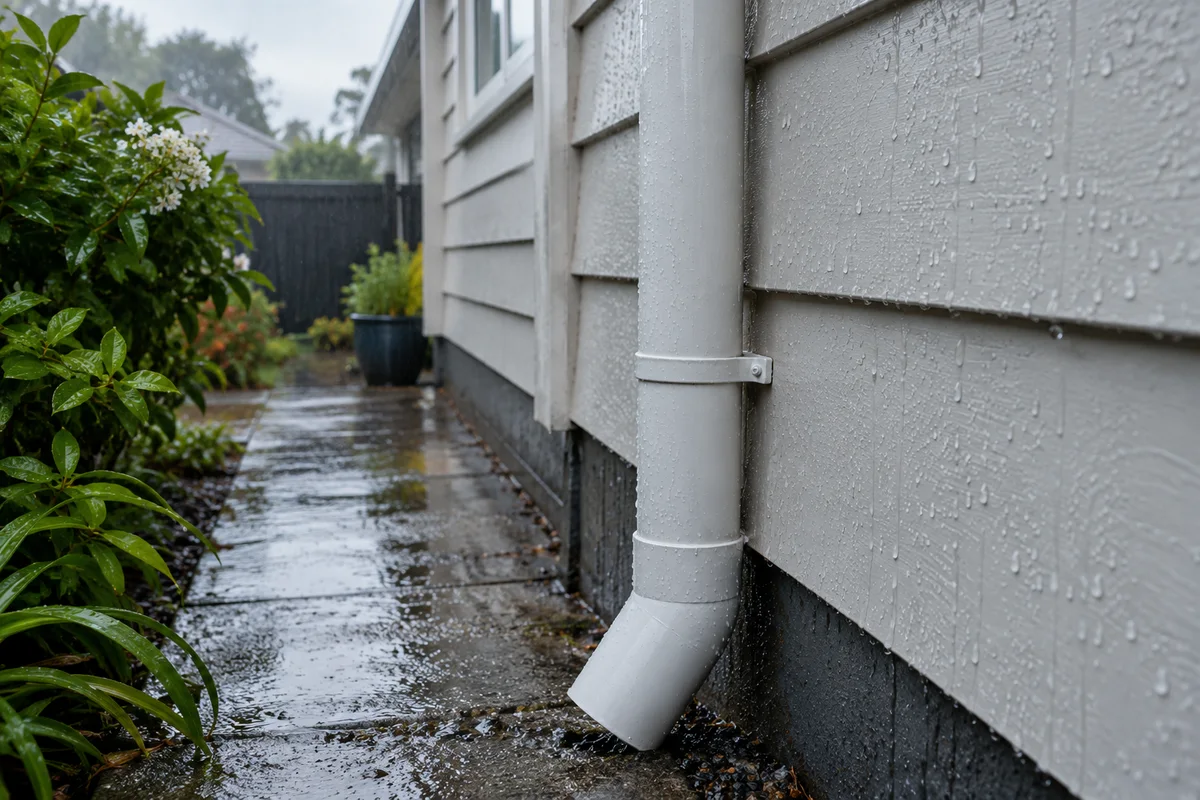
Stormwater drains and downpipes shielded from runoff

A site walk to mark the keep-clear zones
Working-building programme
From first walk-round to handover
The order matters more on an occupied building than on an empty house, because people carry on using the place throughout.
-
Walk the site together
Agree entrances, parking, loading areas and what stays in use. Note anything that cannot be moved.
-
Fix hours and notice
Set working hours that suit the occupiers, and decide who tells tenants, staff or neighbours before access begins.
-
Protect, then prepare
Cover or move vehicles, planting and fittings below the roof edge before cleaning. Preparation and drying take time, so allow for weather shifting the dates.
-
Coat and inspect
The agreed system goes on, then the contact walks the building to check edges, junctions and the ground below before anyone signs off.
-
Hand over the record
Ask for product names, colour and care notes in writing and file them where the next facilities contact or owner can find them.
Business and shared roofs
Pages for commercial and shared buildings
Albany brings homes, townhouses and business premises into one search. These pages cover the parts that differ.
Commercial Painting
Occupied premises: how hours, access routes and sequencing are set out for non-residential buildings.
Strata Painting
Townhouse rows and body corporate roofs: approvals, a surface register and staged access.
Wairau Valley
Light-commercial and industrial buildings in the same group of suburbs, with more on trading hours and loading areas.
Sunnynook
Established homes rather than new subdivisions, where an older roof's history matters more than a builder's records.
Roof Painting
The sequence for metal and tile roofs, if you want the full picture before a site walk.
Recent builds
What is already on a newer roof
A roof on a newer home is rarely a blank slate. It may carry a factory finish or a coating applied during construction, and the builder or developer may hold the product details.
Before repainting, look for those records and say so if there are none. Appearance alone cannot tell you what a coating is, so ask how compatibility will be checked and how primer and topcoat will be chosen. If the roof is still under builder or manufacturer terms, read them first, since recoating may affect them.
- Builder or developer paperwork
- Roof material and colour name
- Date it was first finished
Albany roof enquiry
Tell us what the building is for
Home, townhouse or business premises, the first useful fact is how the property is used and who decides. Send that with a few ground-level photographs and we can start from there.