

Damp
Bathrooms and laundries
Steam and splashes call for a finish and primer chosen for damp rooms, and an extractor or open window while it dries. Fix leaks before painting, not after.
Auckland Roof Painting Pros
Thoughtful preparation. A considered finish. Start with a conversation about your property.
Start with the surface
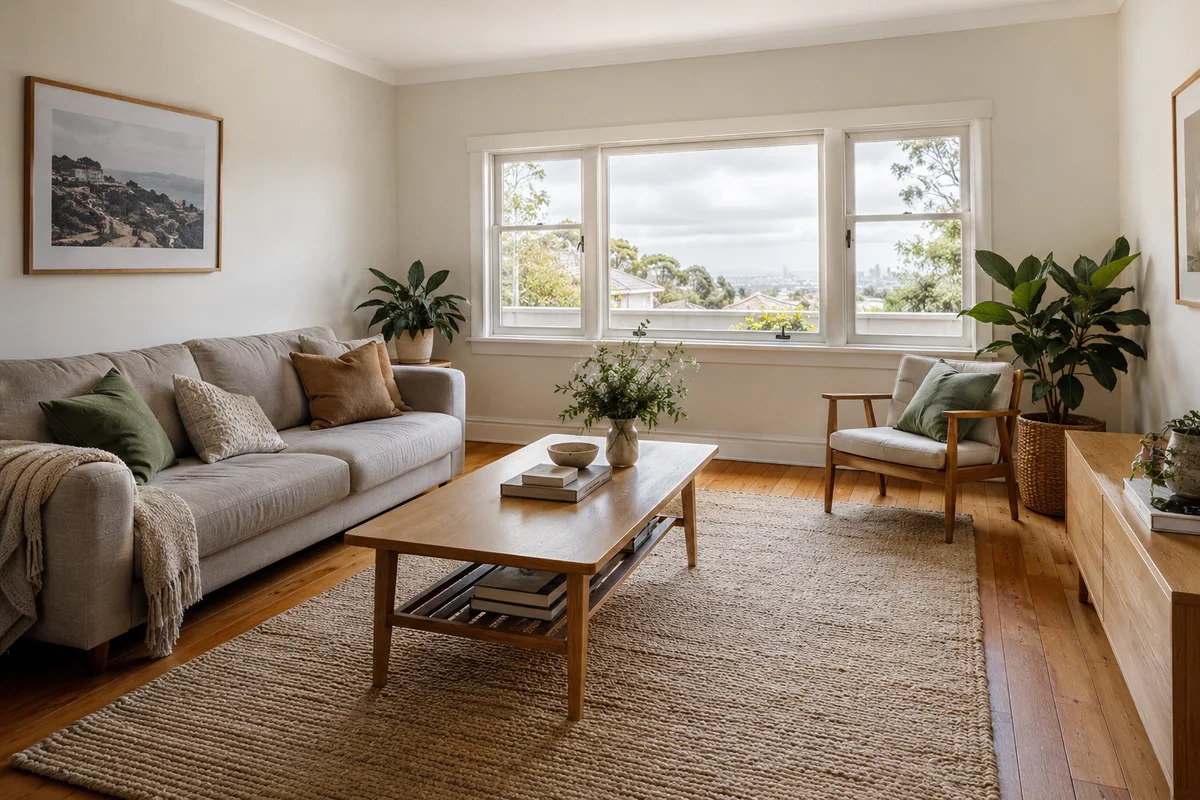
Our Auckland Interior House Painting service starts with the property and the surfaces involved. For interior house painting, the important considerations include occupied rooms, plasterboard condition, furniture protection and washable finishes. Understanding the existing material, coating and condition helps define the right preparation before a finish is selected. Tell us about visible wear, previous work and any areas that need particular attention.
A useful proposal should set out the surfaces included, preparation, any agreed repairs, the coating system and access arrangements. Timing also needs to allow for suitable application and drying conditions. Share your address, photographs and preferred timing through the enquiry form, or call to discuss the project. We can then clarify the details that need assessment and the next step for your property.
Wall condition
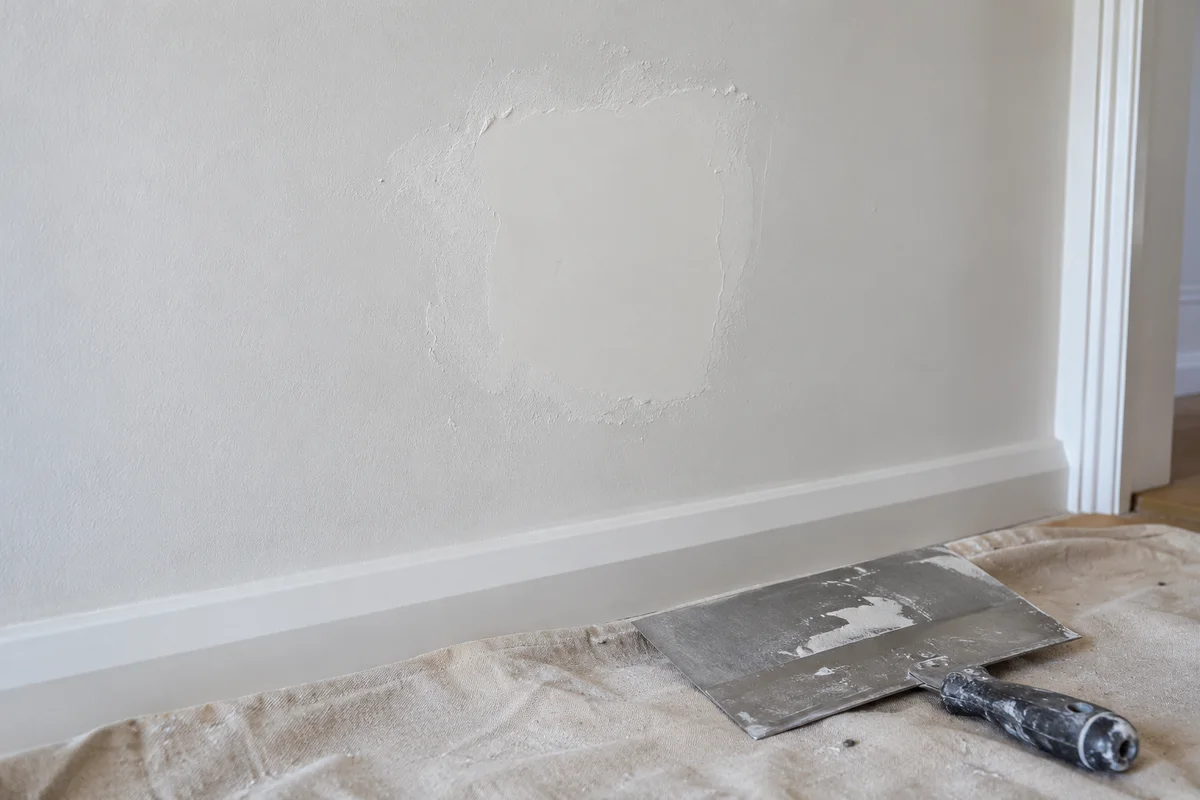
Stand at a low angle to each wall in morning or evening light, or hold a torch flat against the surface. Dents, old patches, raised joints and uneven plaster show up at once. Mark each one with low-tack tape so it can be pointed out and priced.
A new colour will not hide these. Flat paint softens them, glossier paint sharpens them, and fresh paint over a stain tends to show it again. Ask which filling, sanding and spot priming are in the scope before you compare quotes.
Plasterboard surfaces
Most interior walls are plasterboard: a paper-faced lining with stopped joints and screw or nail heads covered in filler. Joints, patches and bare plaster all soak up paint differently from the old painted surface around them, which is why sealing and priming decisions matter as much as the topcoat.
Room by room
Every room has a different job, and the paint should suit it. The occupied-home logistics change from room to room as well.
Steam and splashes call for a finish and primer chosen for damp rooms, and an extractor or open window while it dries. Fix leaks before painting, not after.
Fingermarks and splashes suit a wipeable finish, and walls are cleaned of grease first. Cabinets and splashbacks are separate decisions, so say which are included.
Lower sheens read calmly and forgive uneven walls. Decide which bedroom returns to use first and where bedding and clothes wait in the meantime.
Scuffs and handprints gather here. A tougher, wipeable finish helps, and a stairwell may need different access equipment from a standard room.
Flat finishes hide roller marks and light play. Old leak stains need their source found first. Ceilings usually go before walls, so plan floor covers around that.
Knocks and scuffs are routine here, so a harder-wearing sheen is common. Ask whether trim is painted before or after the walls, and when doors can close again.
Interior detail
Wall repairs, small fixes and product choices each have their own page.
For cracks, dents and damaged plasterboard that should be fixed, not just covered.
Covers small holes and old fixings, and why patches need sealing to blend into the wall.
Helps match product and sheen to each room instead of one choice for the whole house.
Useful for testing colours under daylight and evening light before a whole room is committed.
Internal doors and frames take the most handling in a house, and have their own preparation.
Sheen guide
Higher sheen cleans more easily and shows more flaws. Lower sheen hides more and marks more easily.
| Aspect | Best suited to | Trade-off |
|---|---|---|
| Flat or matt | Ceilings, quiet bedrooms and walls with minor flaws | Marks can be harder to wipe off |
| Low sheen | Living rooms and halls that need some cleaning ability | Shows more of the wall surface than flat |
| Satin | Kitchens, bathrooms and busy family walls | Side light picks up roller marks and patches |
| Gloss | Doors, skirtings and window sills | Shows every dent, so preparation has to be thorough |
Room list
List the rooms, current colours and which spaces must stay usable. Add photos of cracks, stains and marks, and we can talk through the order of work.