
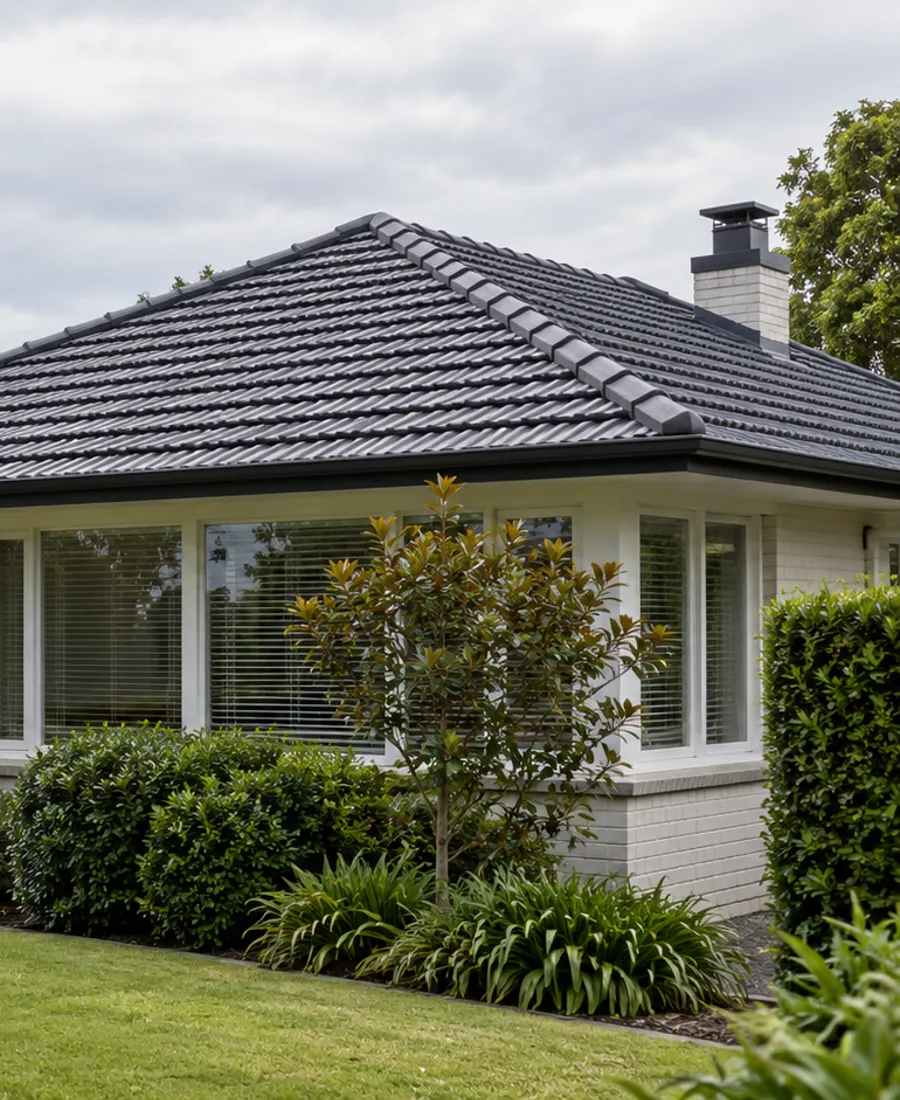
Hours and shifts
State opening hours, shift changes and any quiet periods. A programme that fits those hours still has to allow for preparation, protection and drying, so ask how weather delays would be handled and communicated.
Auckland / North Shore
Thoughtful preparation. A considered finish. Start with a conversation about your property.
Start with the surface
Planning Roof Painting Wairau Valley starts with understanding your own roof rather than choosing a colour alone. Metal and concrete tile surfaces can need different preparation, and the existing coating, visible wear and repair history all matter. Tell us whether the roof is fading, flaking or showing signs of damage so the enquiry can focus on the work your property needs.
For a home, rental or shared building in Wairau Valley, access and approval arrangements are part of the conversation. Include the number of storeys, any shared driveway or body corporate requirements, and photographs taken safely from the ground. Preparation, repair needs and a compatible coating system should be clear before work is agreed. Use the form to describe your roof, or call to discuss an assessment and a practical next step.
Working site
Industrial and light-commercial buildings do not stop for a roof job. The brief should say what keeps running, and where.
State opening hours, shift changes and any quiet periods. A programme that fits those hours still has to allow for preparation, protection and drying, so ask how weather delays would be handled and communicated.
Mark the loading doors, yards and parking that must stay open. Say when deliveries arrive and whether vehicles pass below the eaves, so work zones and traffic routes do not collide.
Identify stock, machinery and vehicles below or beside the roof edge. Agree who moves or covers them, and what is protected from runoff and loosened debris while the surface is prepared.
With homes alongside business buildings, boundaries matter. Neighbours may need notice of access, noise and runoff arrangements, and your own yard is not the only place that needs protecting.
Tenant and landlord
Where a commercial roof belongs to one party and is used by another, sort out approval before a quote is accepted.
Check what it says about roof maintenance, alterations and colours. If it is silent, ask the property manager rather than assume.
Bring the landlord or building manager in before a quote is accepted, so approval is not a surprise later.
Agree which surfaces, repairs and access arrangements are covered, and who signs off any change.
Keep product names, colour and care notes with the building records so the next tenant or manager can find them.
Clues from inside
You do not need anyone on the roof to start. These can be noticed and logged from the floor or the yard.
Note where, how heavy the rain was and what sits below. A dated log helps separate one-off events from patterns.
Photograph them with a date, and take another after the next heavy rain to see whether they have moved.
Noise overhead may point to loose roofing or fixings. Describe where it comes from and leave the investigation to a trained person.
Water over the edge in rain, or staining and damp on the wall below, can point to gutter trouble rather than the roof coating.
Pale, chalky or peeling areas visible from the car park or yard are worth photographing from where you stand.
Programme principle
Ask for the keep-clear zones, working hours and responsibilities to be written into the scope. Preparation, protection and drying all take time, and weather can move dates, so agree in advance how changes will be communicated and who decides.
Mixed frontages
A flat valley with commercial buildings and homes alongside can put three different briefs close together.
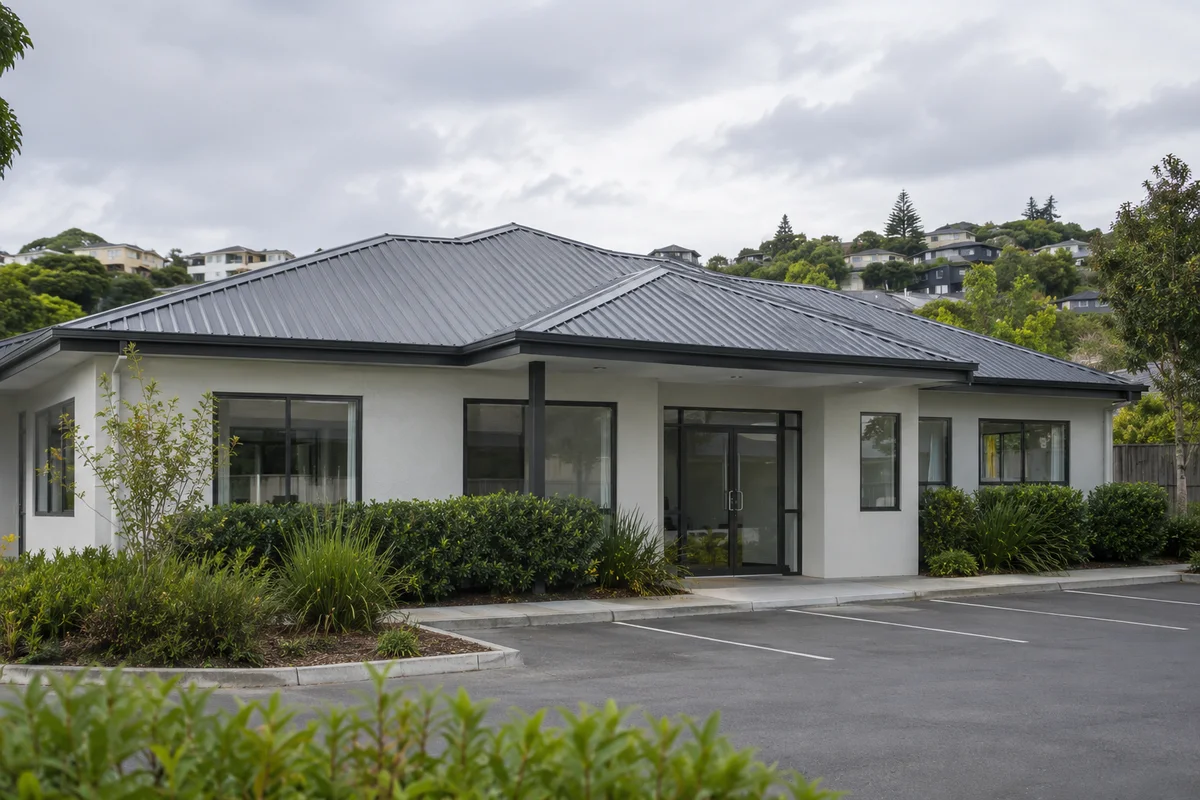
Industrial buildings: yards, doors and vehicle routes
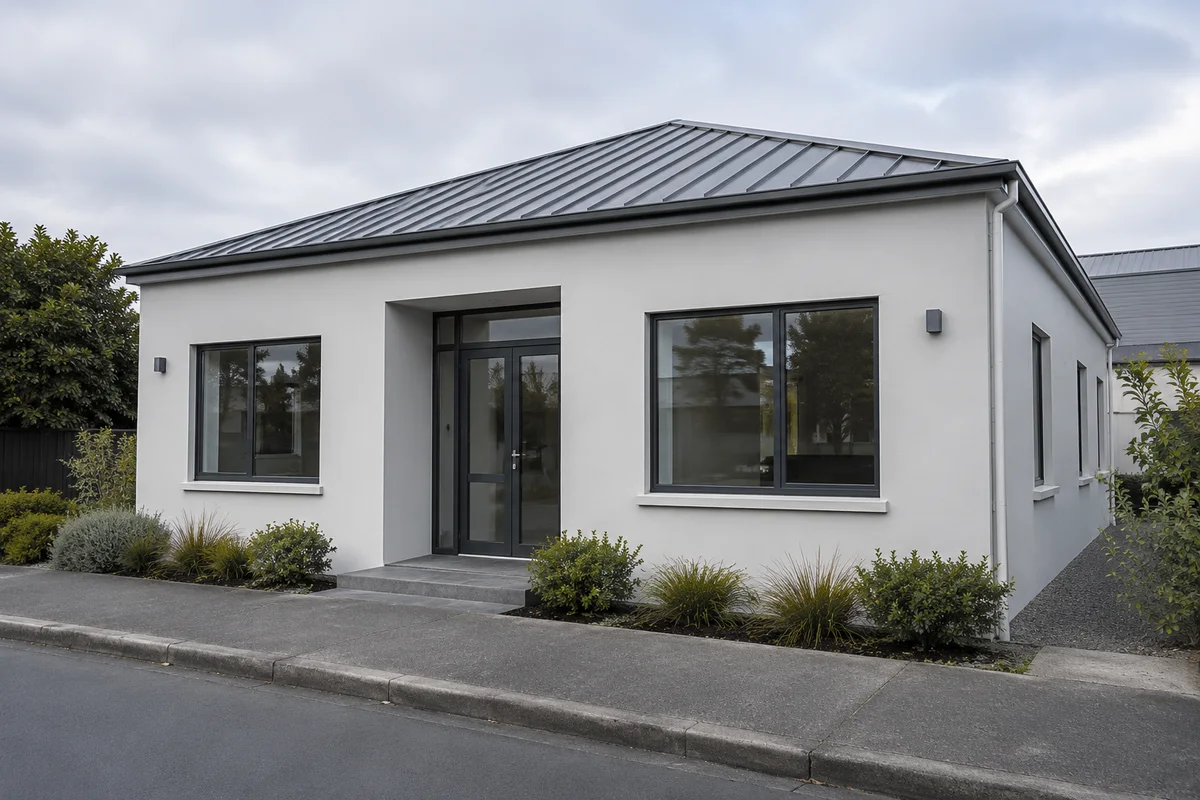
Shop and unit frontages: customers come first
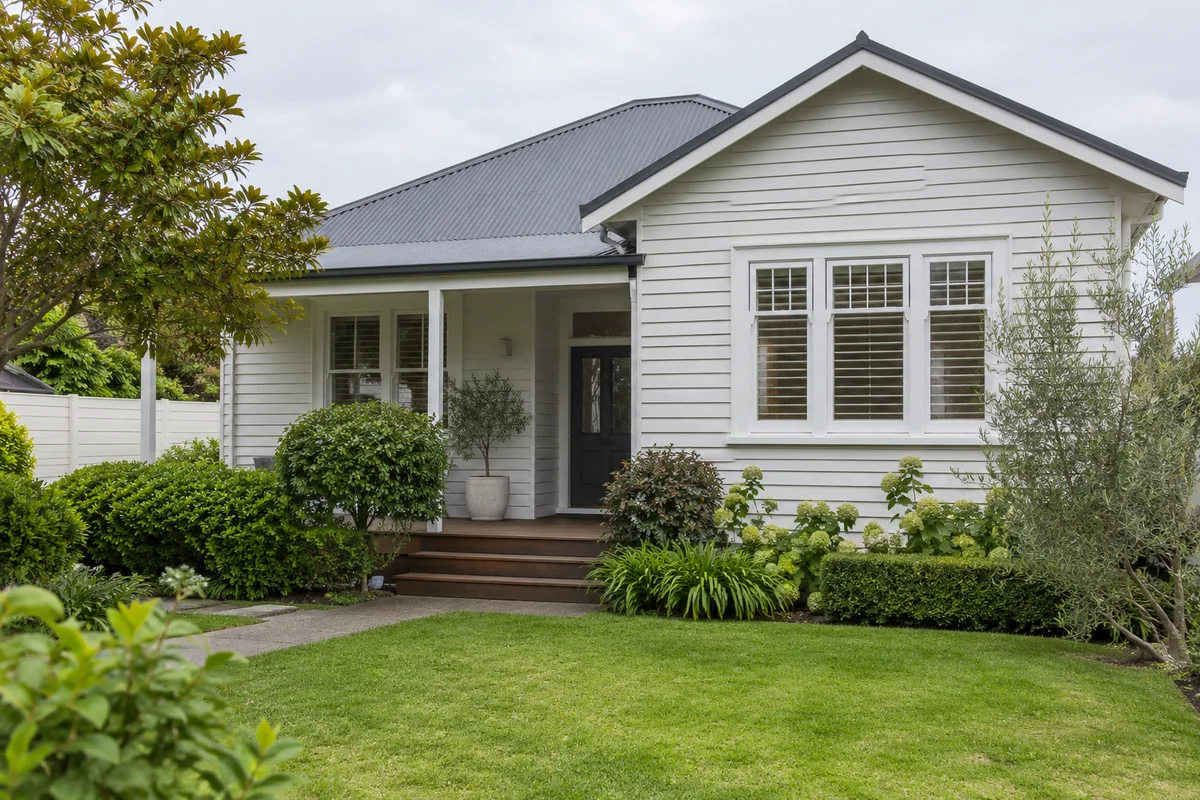
Homes alongside: boundaries, noise and runoff
Commercial and shared roofs
Business premises have their own questions about access, approvals and the order of work. These pages go further on each.
Occupied premises: how access routes, working hours and sequencing are set out for non-residential buildings.
Where several units sit under one roof, owners need a shared schedule and a single approval route.
If the clues on the floor point to damage, this separates repairs from recoating.
Spilling edges over loading doors or paths can need a repair, not just a clean.
Another commercial and residential mix in the same group of suburbs, with a note on who approves the work.
Wairau Valley premises
Tell us the hours, the doors and yards that must stay open, and who approves the work. Add ground-level photographs of the roofline and we can talk through the sequence.