
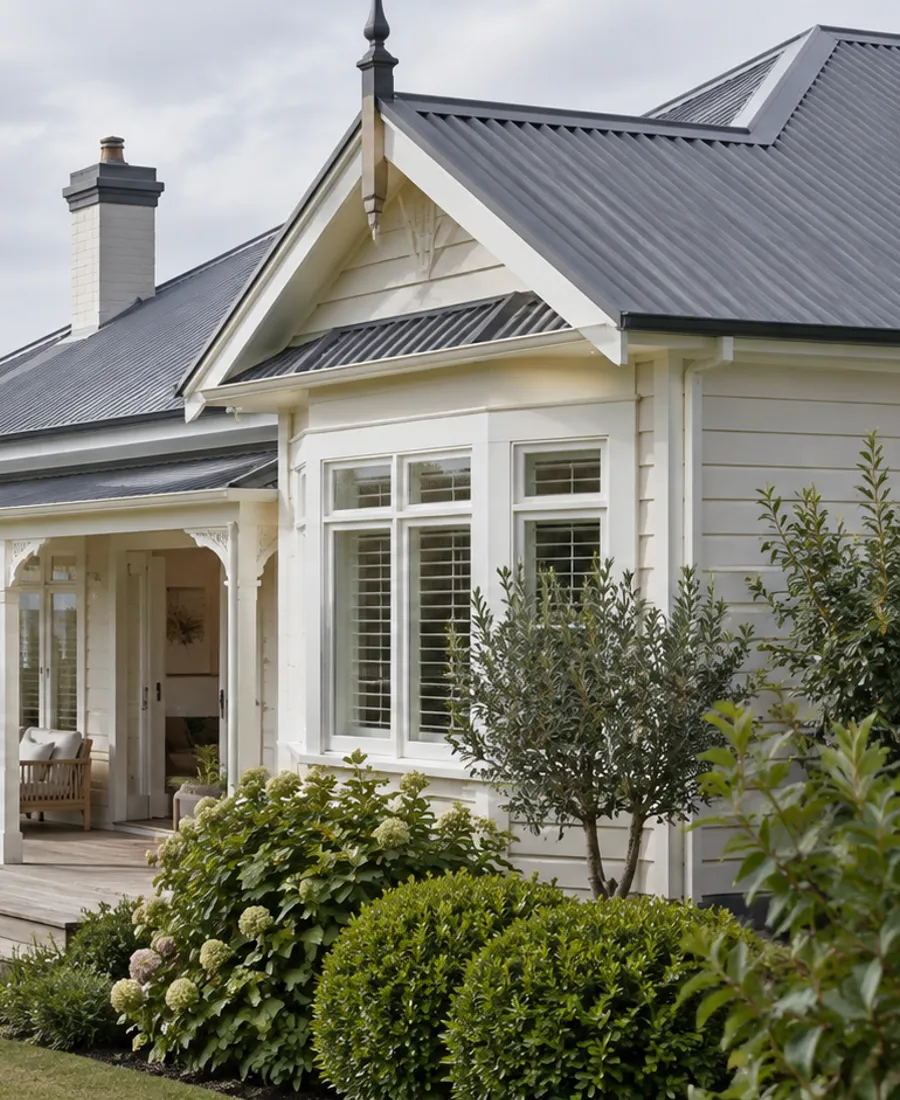
Auckland / North Shore
Roof Painting Rothesay Bay
Thoughtful preparation. A considered finish. Start with a conversation about your property.
Start with the surface
Roof Painting in Rothesay Bay
Planning Roof Painting Rothesay Bay starts with understanding your own roof rather than choosing a colour alone. Metal and concrete tile surfaces can need different preparation, and the existing coating, visible wear and repair history all matter. Tell us whether the roof is fading, flaking or showing signs of damage so the enquiry can focus on the work your property needs.
For a home, rental or shared building in Rothesay Bay, access and approval arrangements are part of the conversation. Include the number of storeys, any shared driveway or body corporate requirements, and photographs taken safely from the ground. Preparation, repair needs and a compatible coating system should be clear before work is agreed. Use the form to describe your roof, or call to discuss an assessment and a practical next step.
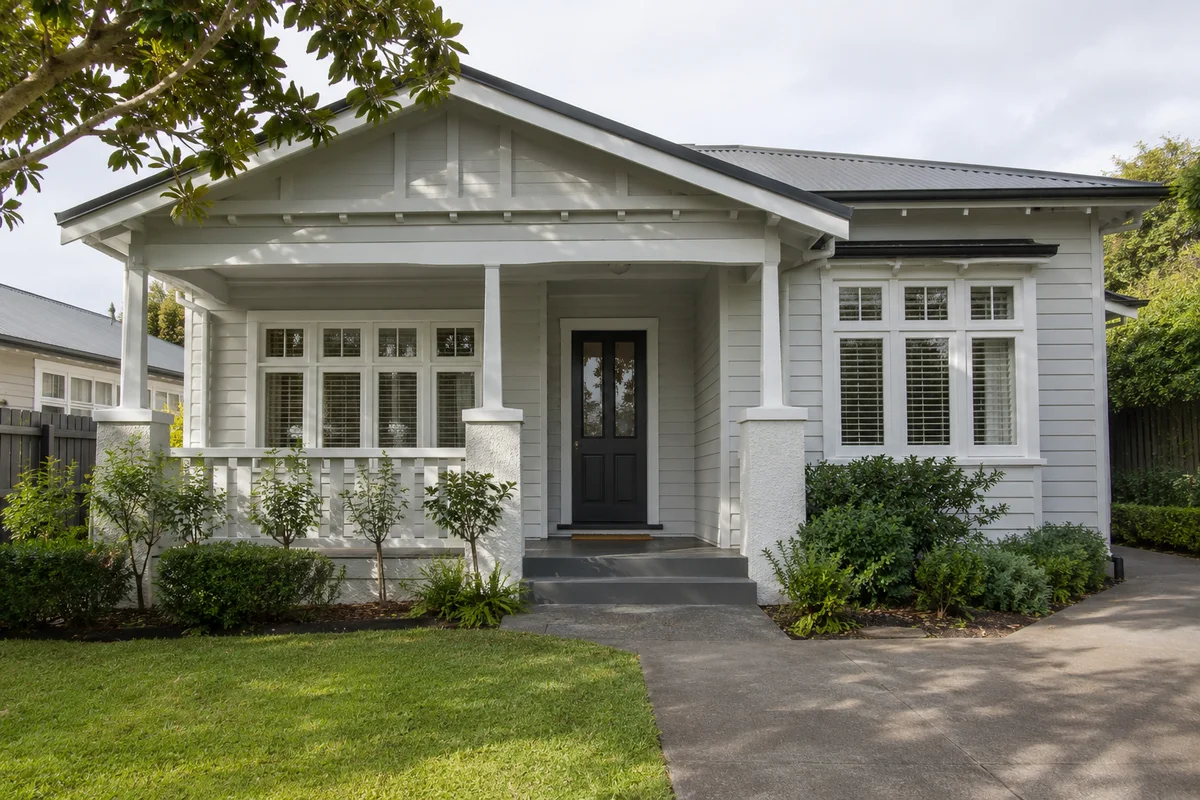
Reading the surface
Four ways a coating gives up
Match what you see from the ground to the nearest row. The middle column is a pointer for discussion, not a diagnosis.
| Aspect | What you notice | What it can point to | Worth sending |
|---|---|---|---|
| Powder on gutters or walls below | Powdery residue below the roof edge, often pale and washed into streaks. | Chalking, where the coating surface breaks down into fine powder that rain carries off. | A close photo of the marks below the roof edge, taken from the ground. |
| Flakes or curling paint | Pieces of paint lying on the ground or lifting at an edge. | Lost adhesion between coats or to the roof itself. Loose material must come off before recoating. | A close photo of where it lifts, and a note of which faces of the roof show it. |
| Blisters or bubbles | Raised domes in the film, singly or in patches. | Moisture or contamination trapped under the coating. The cause needs assessing before any repaint. | A close photo, plus a note of whether they appear after rain or in strong sun. |
| Rust-brown streaks | Orange or brown lines running down from fixings or edges. | Corrosion showing through, which is a repair item as well as a coating one. | Photos of where each streak starts and where it runs. |
Photo viewpoints
Frames that explain a roof from below
Four ground-level frames help an assessor read the roof without anyone climbing up.
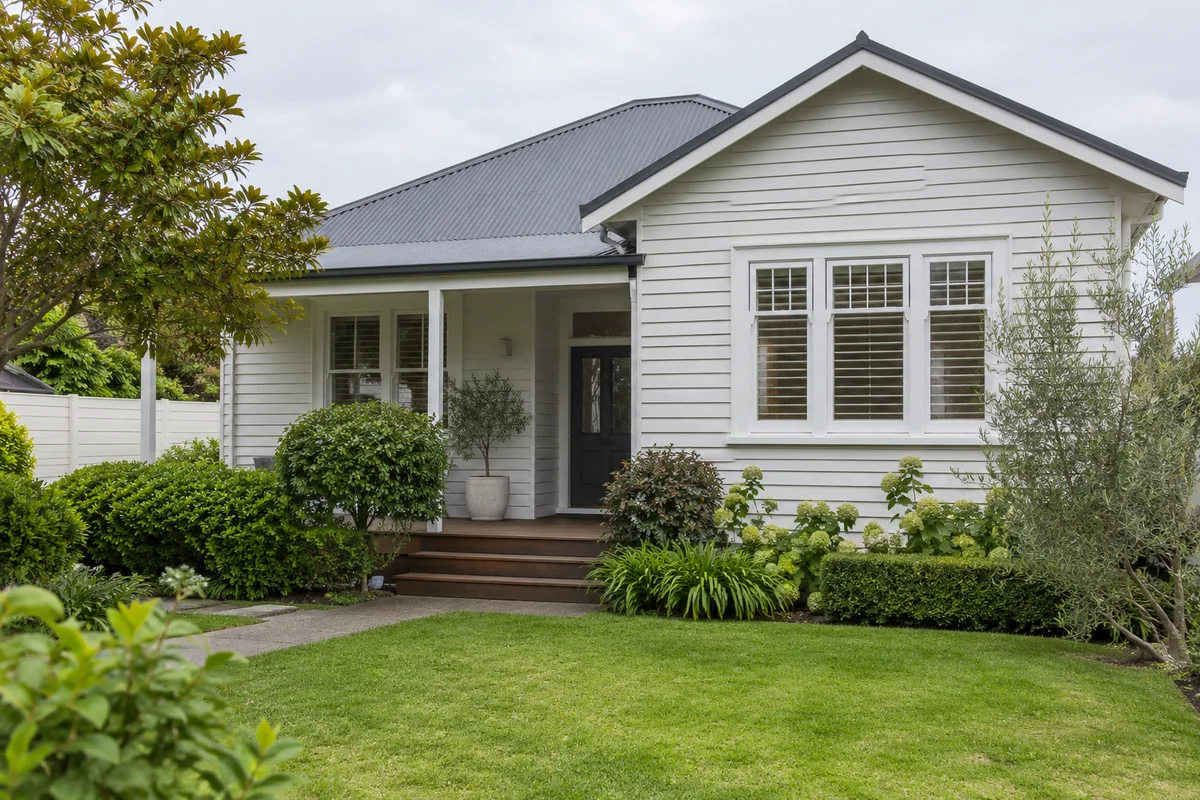
Whole house from the street, roofline included
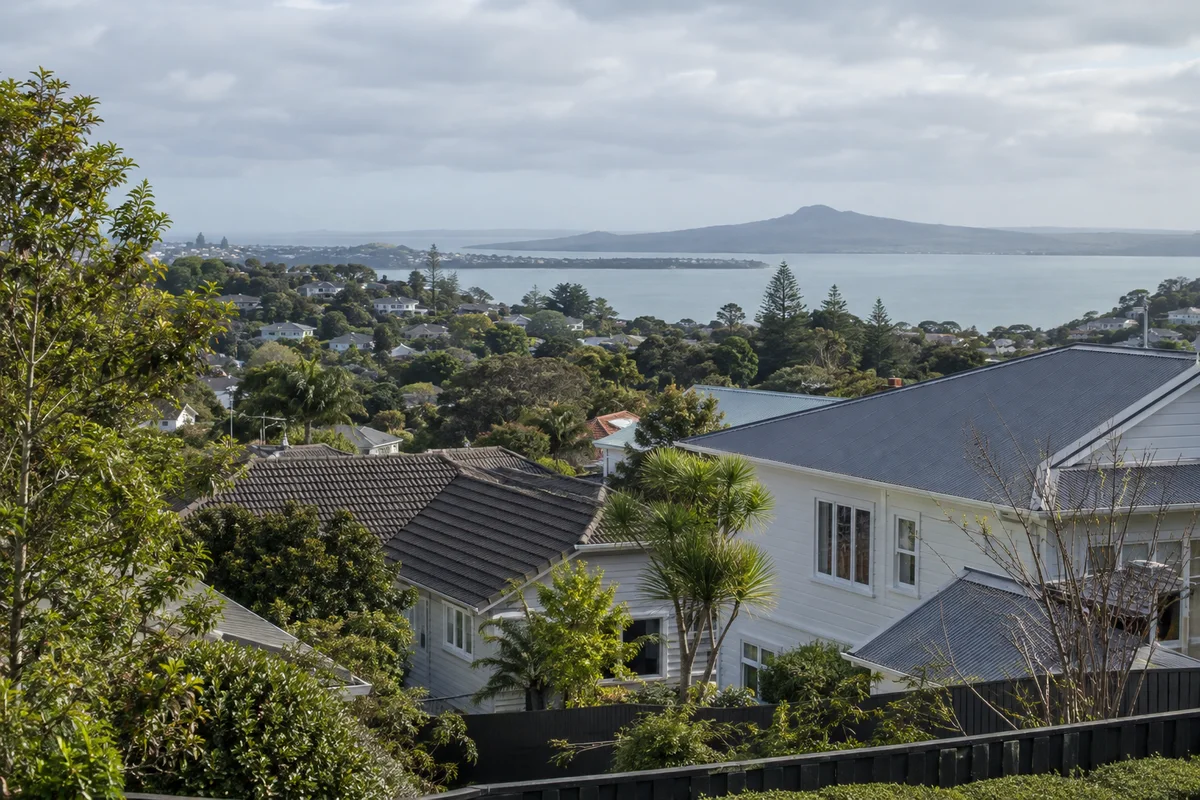
A side-on view showing how the section slopes

Low roofs and extensions below the main one
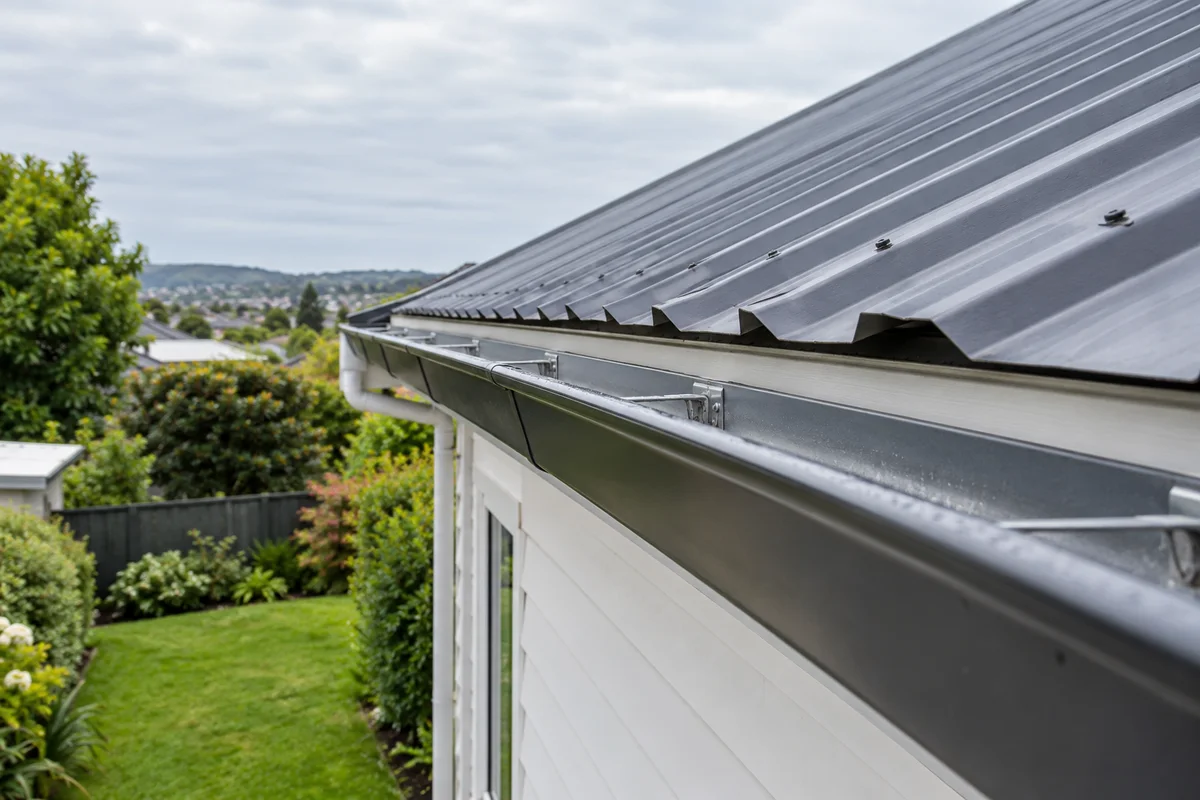
Gutter and fascia line where marks show first
Nearby and next
Next reads for failing coatings
A neighbouring suburb and the services that follow once you know how the old paint is behaving.
Murrays Bay: rust at fixings and edges
Goes deeper on rust marks at fixings and edges, which sit somewhere between a repair and a recoat.
Campbells Bay, along the coast
A neighbouring beach suburb, handy if you own or manage a second property near here.
Roof cleaning for chalky or flaking surfaces
Powder and loose flakes come off in cleaning, and the method has to suit a surface that is already weakened.
Paint selection after a coating fails
Once you know how the old paint failed, primer and topcoat become a question of compatibility, not just colour.
Roof restoration beyond the surface
Where failure goes deeper than the topcoat, restoration treats repair, preparation and coating as separate stages.
Colour on a slope
Colour looks different from above
On a sloping section a roof can be seen from the street, from a neighbour's higher ground and from your own garden below it. A colour that suits one view may read quite differently from another, so judge it against the cladding, joinery and gutters rather than on its own.
Talk through roof colour optionsWhere to hold the samples
From the street side
Hold a large sample against the roof edge as passers-by would see it.
From the high side
If your own ground or a neighbour's rises behind the house, look down at the colour from there.
From the garden below
Stand lower on the section and look up at the roof edge against sky and fascia.
At different hours
Morning, midday and evening light all change how a colour reads against the sky.
Storeys and low roofs
Counting storeys and low roofs
Access starts with simple counts: how many storeys the house has, and what sits lower than the main roof. A garage, carport, porch or lean-to can put a second roofline right beside the first, with its own material and its own wear.
Those low roofs need covering or masking when the main roof is cleaned and coated above them, and they are easy places for debris and runoff to land. List each one, say whether it is yours, and say whether it needs work too.
- Count the storeys from the street
- List every lower roof, even a small porch
- Say who owns each lower roof
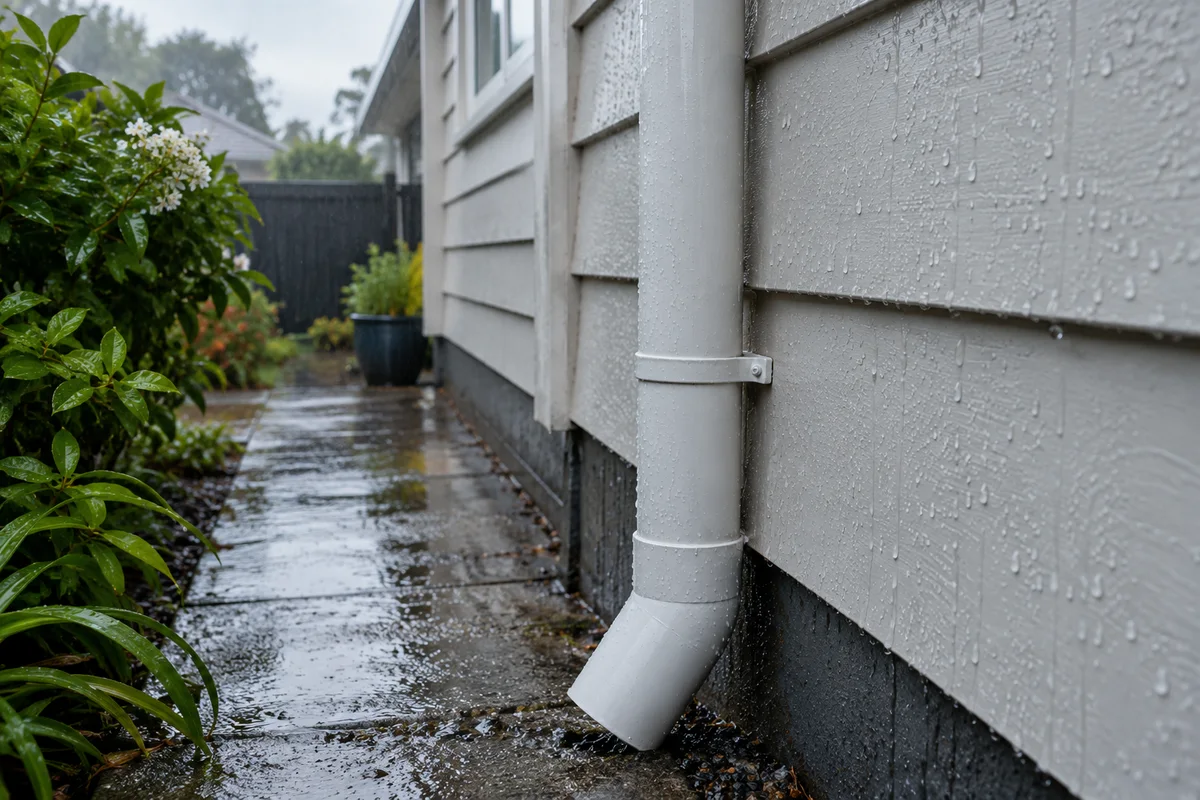
Rothesay Bay roofs
Tell us how the paint is failing
Send a few ground-level photos, the number of storeys and a line on what you see: powder, flakes, blisters or rust. Call 09 977 9907 or use the form and we can talk through the next step.