
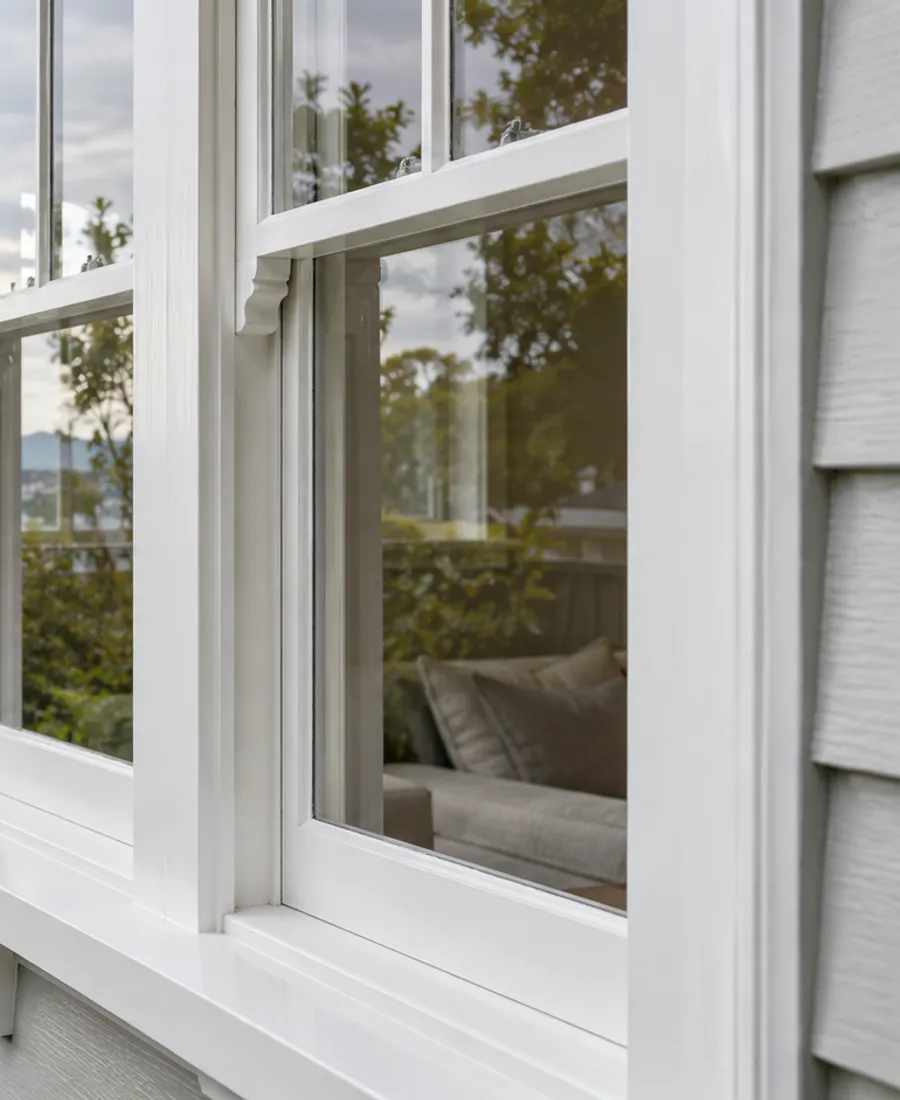
Sill and bottom rail
Rain sits here and runs back toward the frame. It is usually the first place paint cracks and timber softens.
Auckland Roof Painting Pros
Thoughtful preparation. A considered finish. Start with a conversation about your property.
Start with the surface
Our Auckland Window Painting service starts with the property and the surfaces involved. For window painting, the important considerations include joinery materials, opening sashes and weather-exposed details. Understanding the existing material, coating and condition helps define the right preparation before a finish is selected. Tell us about visible wear, previous work and any areas that need particular attention.
A useful proposal should set out the surfaces included, preparation, any agreed repairs, the coating system and access arrangements. Timing also needs to allow for suitable application and drying conditions. Share your address, photographs and preferred timing through the enquiry form, or call to discuss the project. We can then clarify the details that need assessment and the next step for your property.
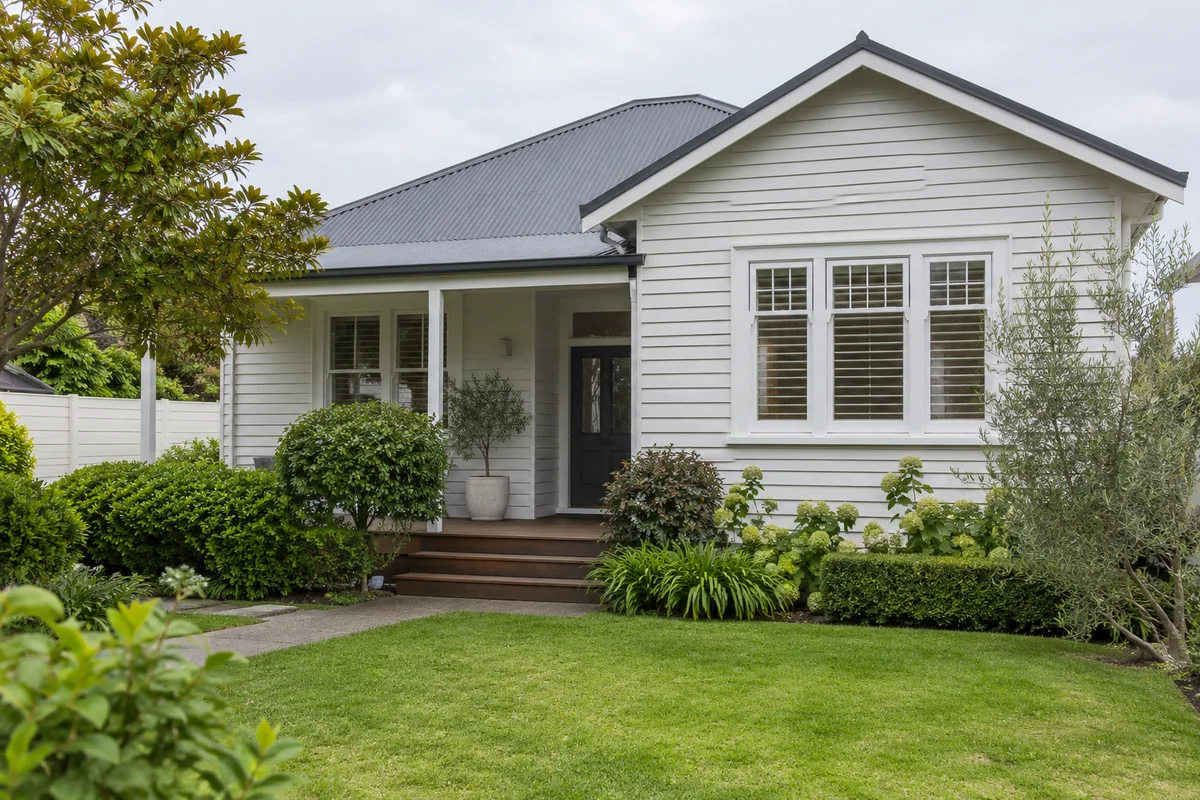
Window joinery
Older homes often have timber windows, where paint is the main protection against moisture. Newer homes more often have factory-finished metal or other frames, which can resist ordinary paint if they are not prepared properly. Say which you have, and send a close photo of the worst sill.
Sash and frame
Water goes to the lowest, flattest and most exposed parts first. These are the places to photograph and point out.
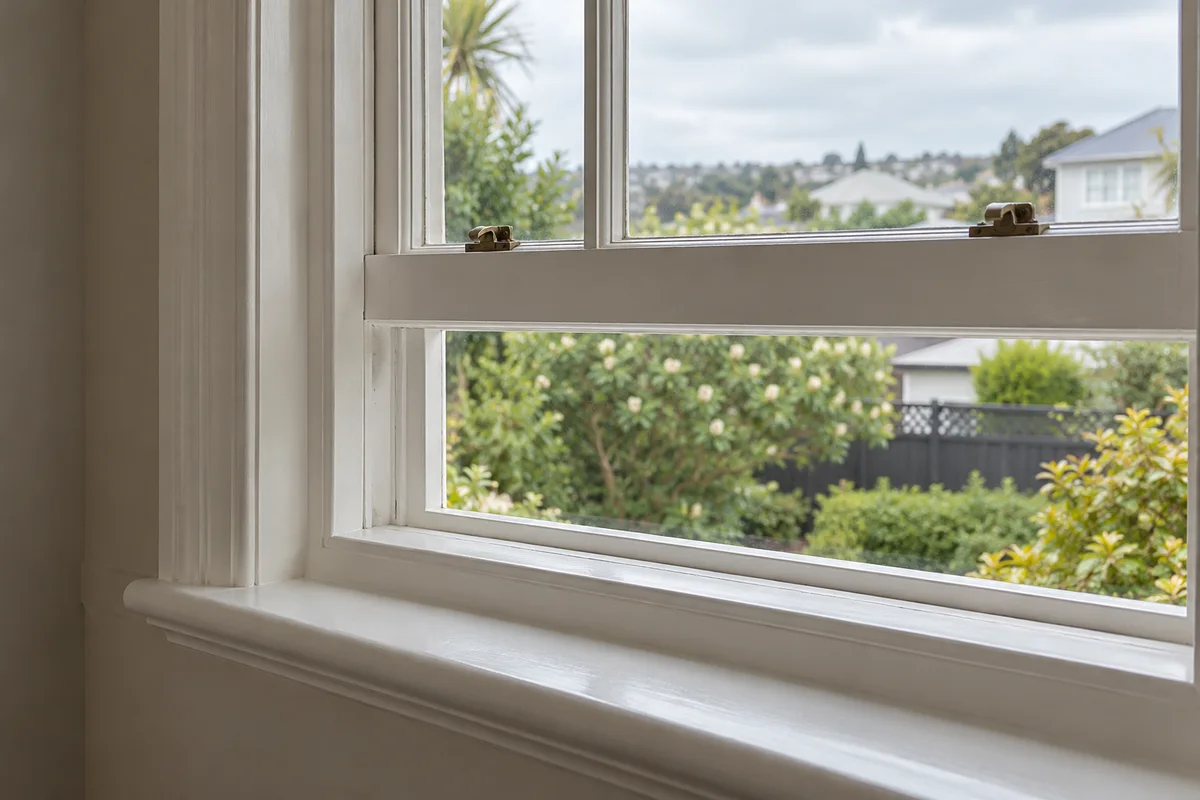
Rain sits here and runs back toward the frame. It is usually the first place paint cracks and timber softens.
These slide, swing or press against the frame. A thick paint film on a contact edge is how windows end up stuck.
Paint should meet the glass in a clean, sealed line so water cannot track behind it. A wavy line tends to show up in raking light.
The sides and head of the opening inside are often painted a different colour and sheen from the exterior frame.
Opening and repairs
Most window problems come from what was or was not done before the paint went on.
They should. Ask how contact edges are handled and whether sashes are eased during drying so they do not set shut. Follow the product guidance on when a window can be closed fully, and test every opening sash before sign-off.
Paint will not restore soft, crumbling or rotted timber. It needs repair or replacement first, or the new finish will fail early. Ask which minor repairs sit inside the quote and which would be extra.
Safe access depends on the height, the ground below and the type of building. Ask what access method is planned and who arranges it. Please do not climb up to photograph or test them yourself.
Often it makes sense, because frames and sills take the most weather and the colours are chosen together. State in writing which faces and edges are included, inside and out, so the scope is clear.
Some can be coated, but the factory finish decides the preparation. Ask for the coating system to be named, and for a small trial patch before the whole window is done.
Around the window
Windows meet cladding, plaster and trim. These pages cover what surrounds the frame.
Sills and frames sit within the cladding colours, and exposed faces may be planned alongside the walls.
Windows set into weatherboard have joints and flashings where paint meets timber and water can collect.
Internal architraves frame the window and should match the sheen and edge detail of the reveals.
Cracks that run from window corners are common and need their cause assessed before repainting reveals.
Doors and windows often share a joinery colour and the same questions about hardware and moving edges.
Joinery words
A few trade words come up in every window quote.
Photos for a window quote
Note the frame material, any soft or cracked timber, and which windows are upstairs. Photos from the ground and from inside are enough to start a conversation about scope.