
Streaks running from a fixing
Often a sign of corrosion on a metal roof, at a fixing, edge or lap. It needs a repair decision before any topcoat is discussed.
Auckland / North Shore
Thoughtful preparation. A considered finish. Start with a conversation about your property.
Start with the surface
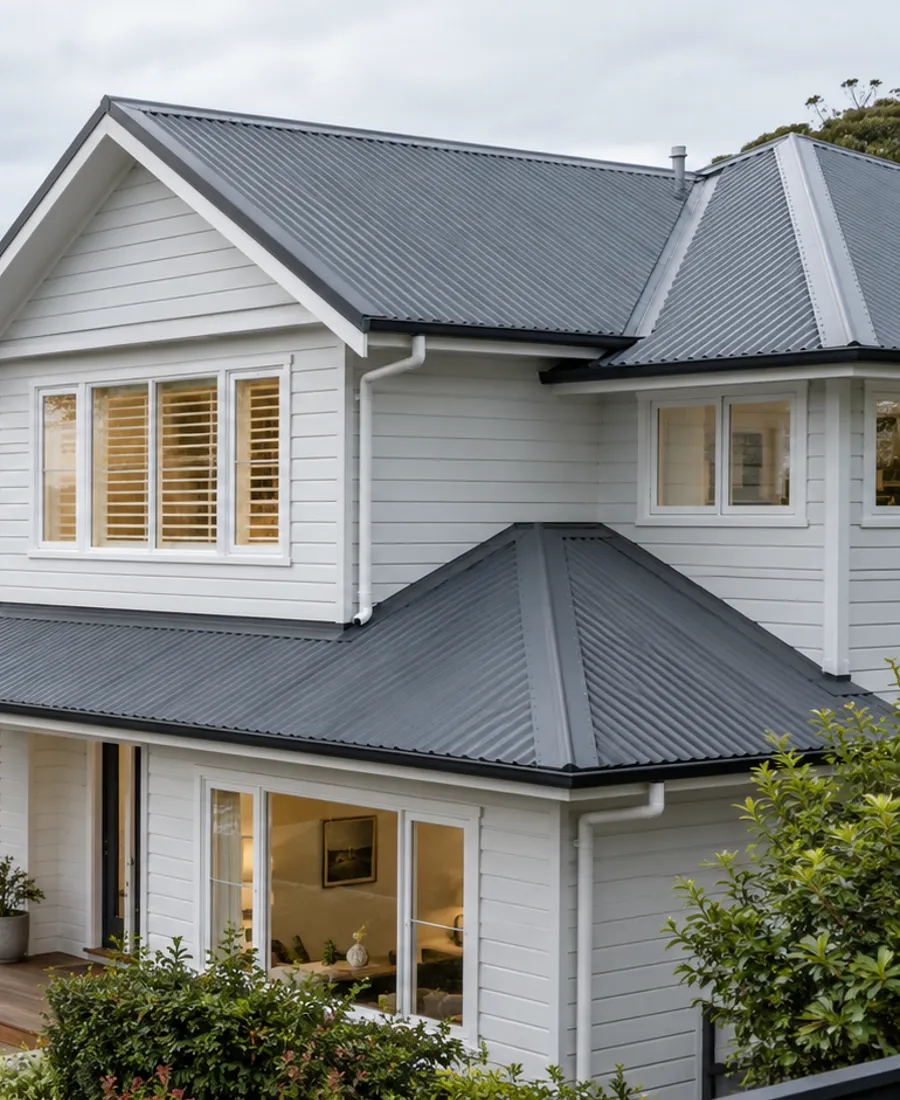
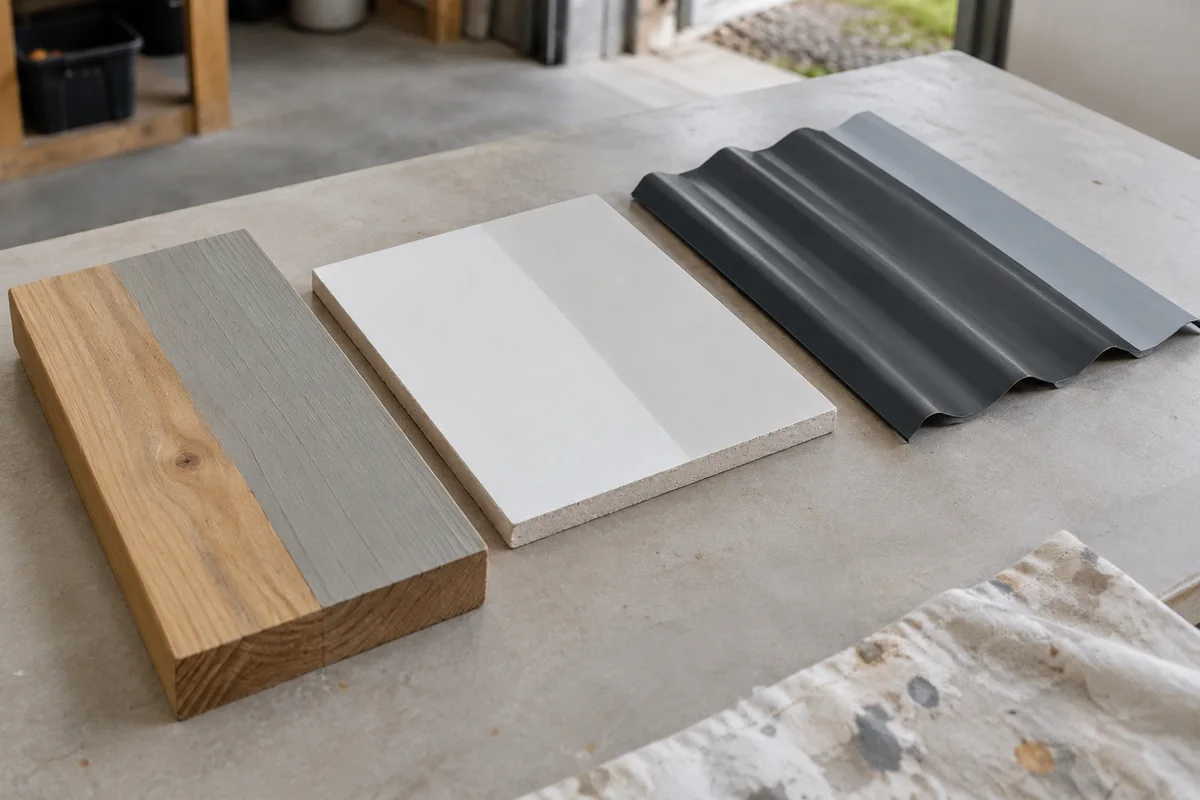
Planning Roof Painting Sunnynook starts with understanding your own roof rather than choosing a colour alone. Metal and concrete tile surfaces can need different preparation, and the existing coating, visible wear and repair history all matter. Tell us whether the roof is fading, flaking or showing signs of damage so the enquiry can focus on the work your property needs.
For a home, rental or shared building in Sunnynook, access and approval arrangements are part of the conversation. Include the number of storeys, any shared driveway or body corporate requirements, and photographs taken safely from the ground. Preparation, repair needs and a compatible coating system should be clear before work is agreed. Use the form to describe your roof, or call to discuss an assessment and a practical next step.
Reading older roofs
Photograph what you can see from the ground and note when it appeared. Each of these points towards a different job.
Often a sign of corrosion on a metal roof, at a fixing, edge or lap. It needs a repair decision before any topcoat is discussed.
A coating that has lost its grip. Moisture, poor preparation and incompatible layers can all look alike from below, so the cause needs assessing.
This is weathering, not a leak. It usually means recoating is a live option once the surface underneath is sound.
Moss and lichen. Cleaning comes first, and the growth can be covering worn areas that only show once it is gone.
These call for repair, not paint. Tell us where you can see gaps or broken edges from the ground.
Carport and garage edges
Add-ons often have their own roof, their own gutter and a join where they meet the house. Each deserves its own photograph.
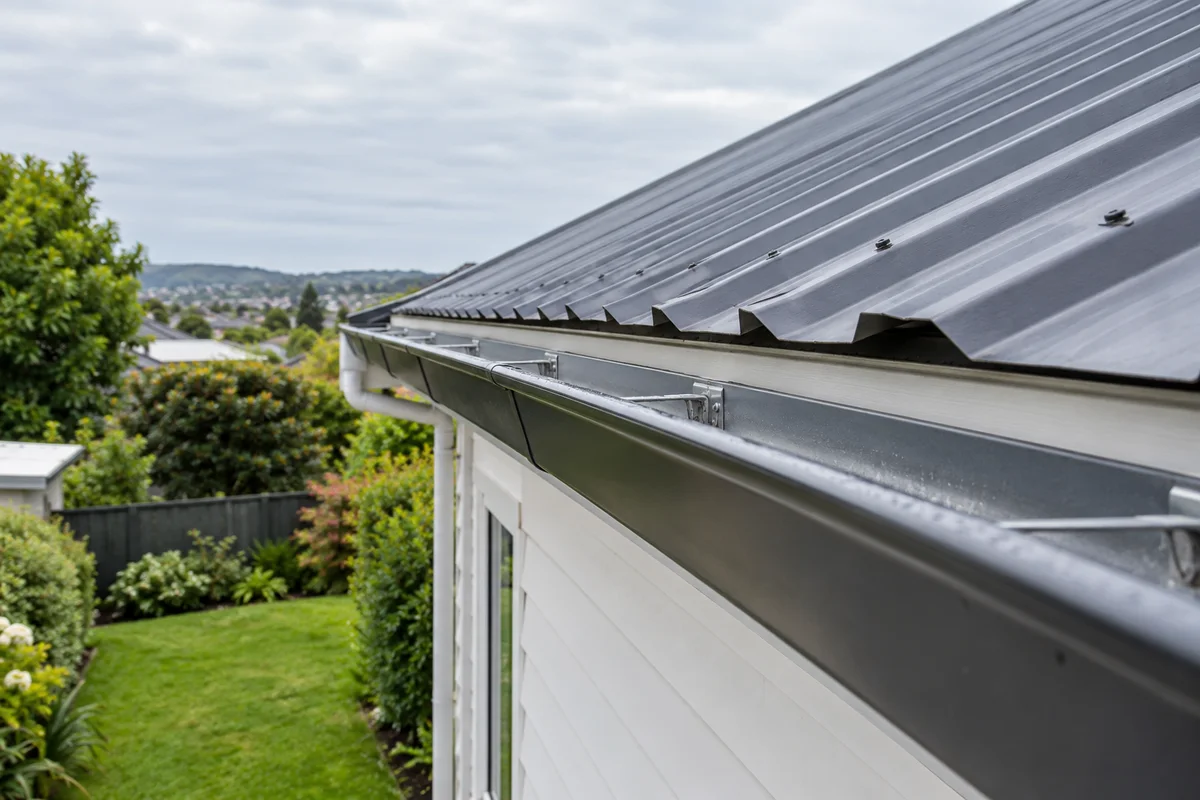
Photograph it first, from the footpath or drive, so any add-on can be seen in relation to it.
It may be a different material or age from the house. Say what it is made of if you know.
Where one roof meets another or a wall, water can find a way in. Note any staining there.
Look at where the water ends up. Overflow onto a path or drive is worth describing.
Leak or finish
A stain inside and a faded roof outside are different problems. Sorting them decides the order of work.
Many roofs have both. Ask for repair items to be written separately from cleaning and coating, so you can see what each part of the quote is for.
Around the house
Established gardens and driveways sit right below the work. Tell us what must be protected before the work is planned.
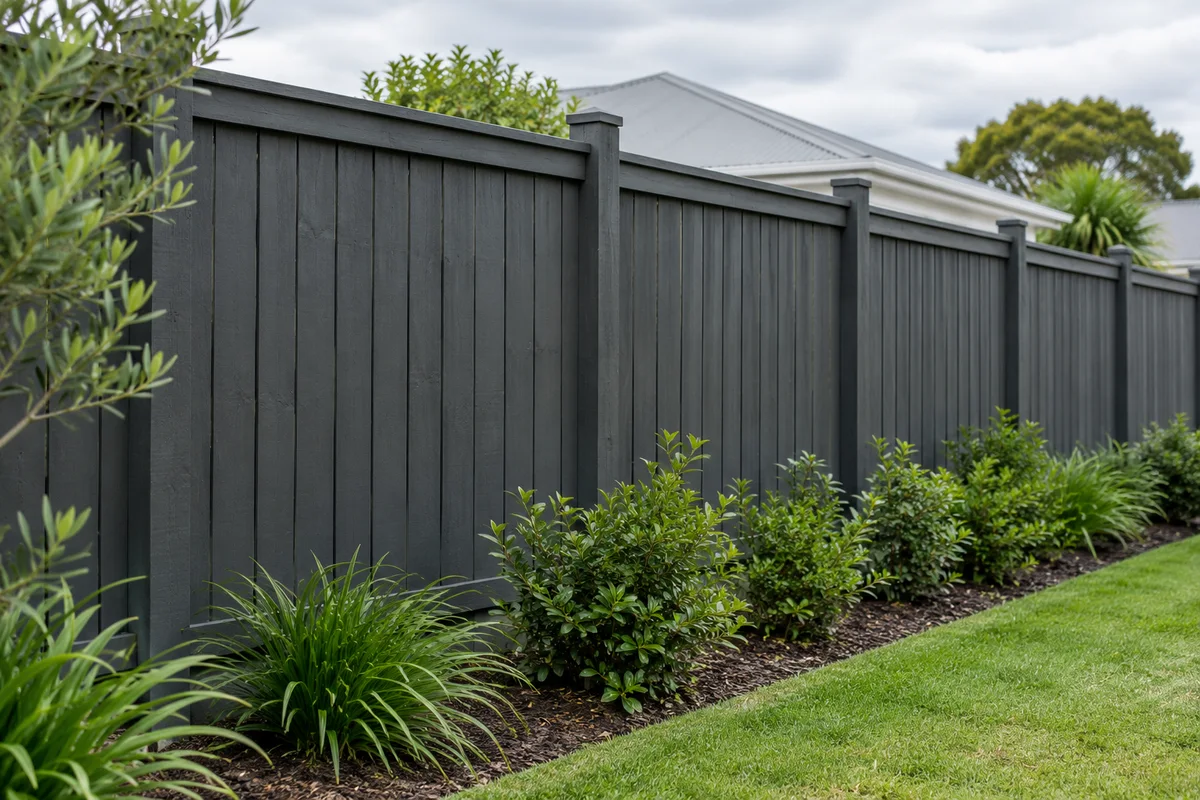
Planting covered before any cleaning starts
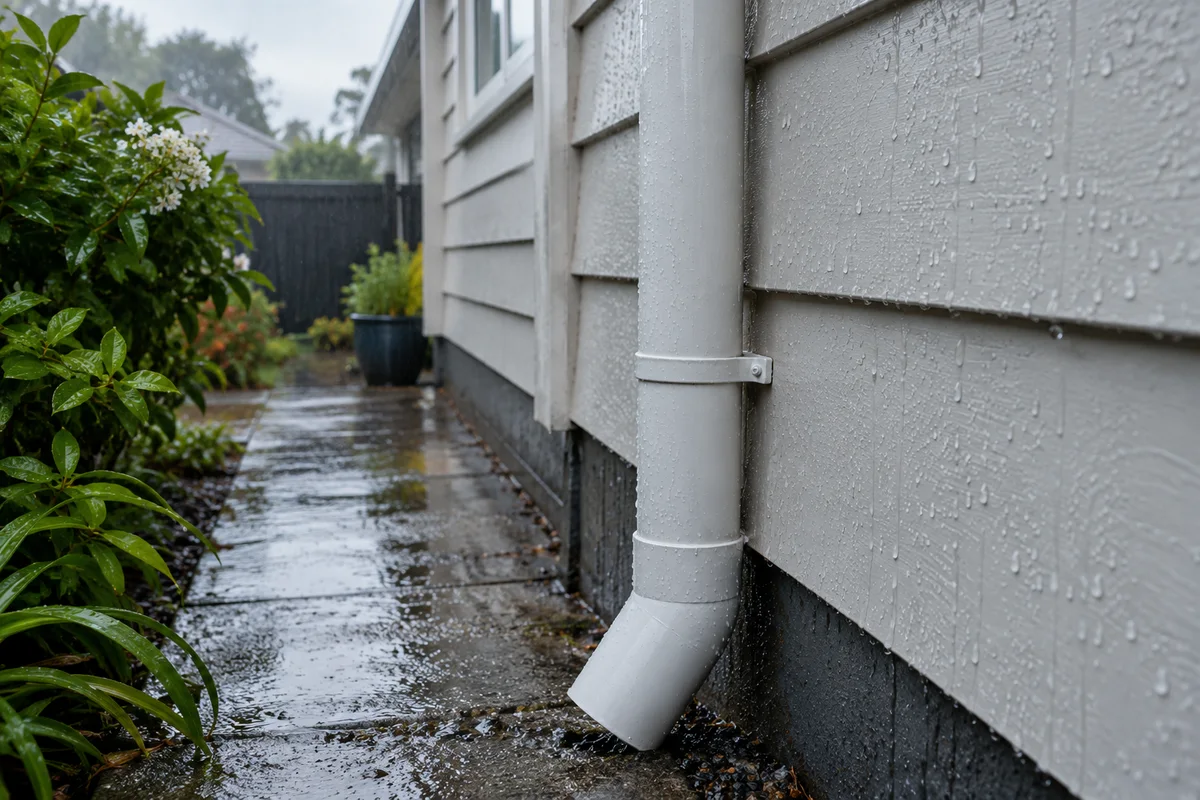
Washed-off debris kept out of beds and drains
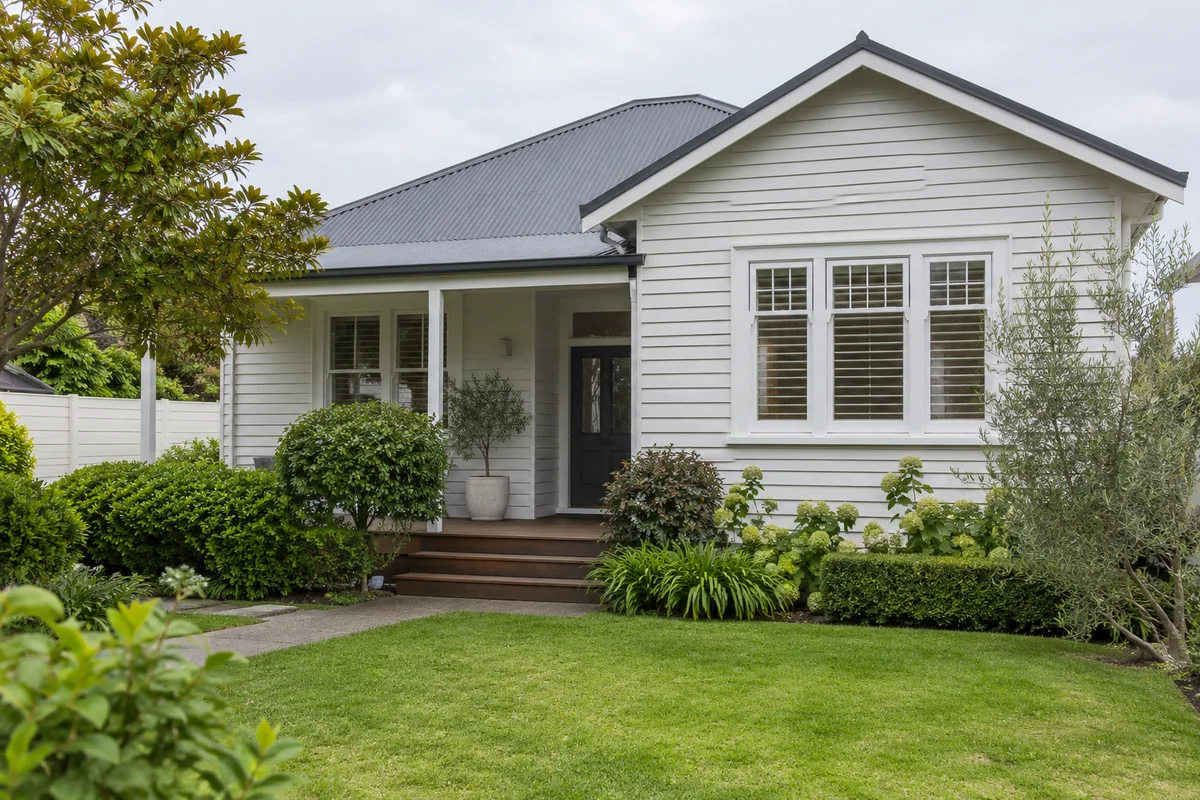
Cars, bins and washing cleared off the drive and lawn
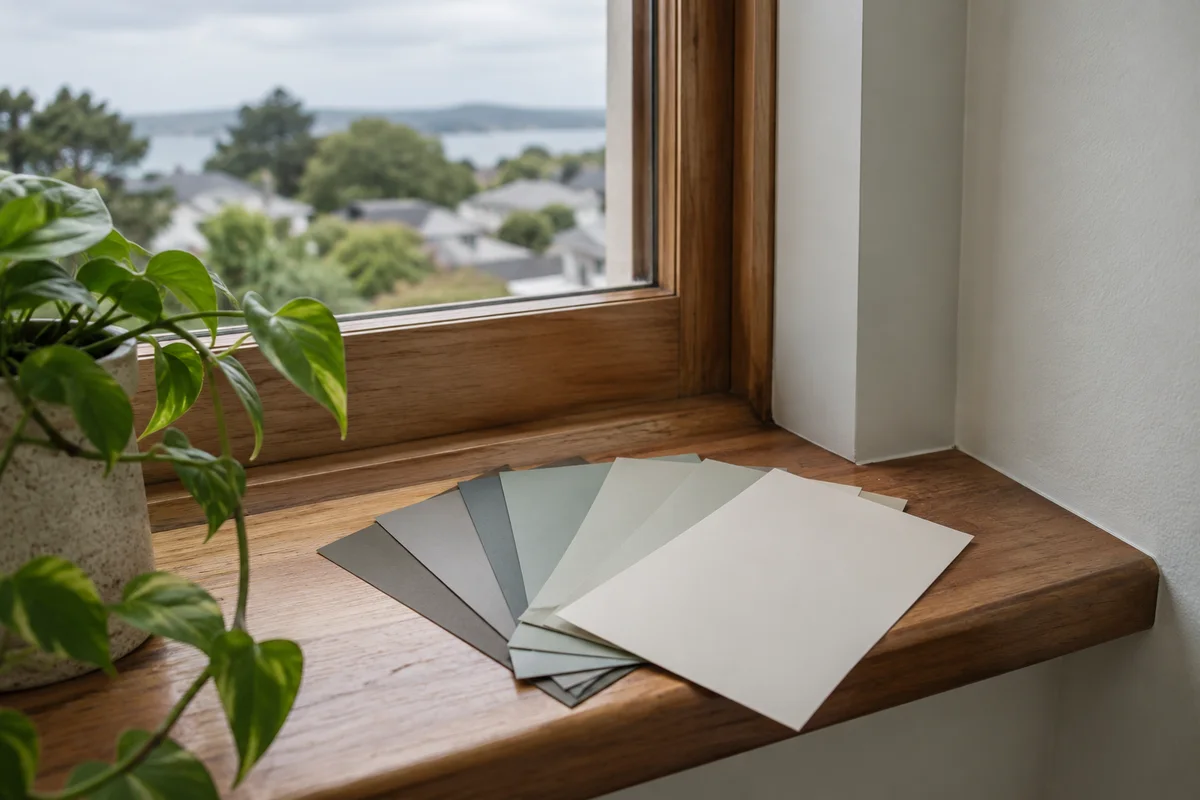
Roof colour tried beside the cladding first
Established-home pages
A roof that has been around a while raises questions about repairs, growth and what the next owner needs to know.
If there is a leak or damaged tile, this explains how repairs are separated from recoating.
Overflow at a carport or garage gutter can trace back to a joint or the fall rather than a blockage.
Growth under garden trees needs cleaning first, and the method follows the roof material.
Another established inland suburb with many mid-century homes, where tree shade and gutter debris matter.
A large inland suburb with a wide mix of home types, useful if your house is newer or has been extended.
Chasing a leak
A leak is easier to find when you bring a pattern, not just a stain.
Write down when water appears: in heavy rain, after wind, or only on some days. The pattern helps trace the source.
Photograph the stain, draw a light pencil line round its edge and date it. A stain that grows past the line is still active.
Send the ceiling photos with ground-level views of the roof above, and say whether the house has been patched or repainted before.
Ask for any repair to be identified and agreed first. Paint is not a repair, and a coating over an active leak does not solve it.
Sunnynook roof enquiry
Tell us what you can see, when any leak appeared and what you know about earlier repairs and repaints. Photographs from the ground are enough to begin.