
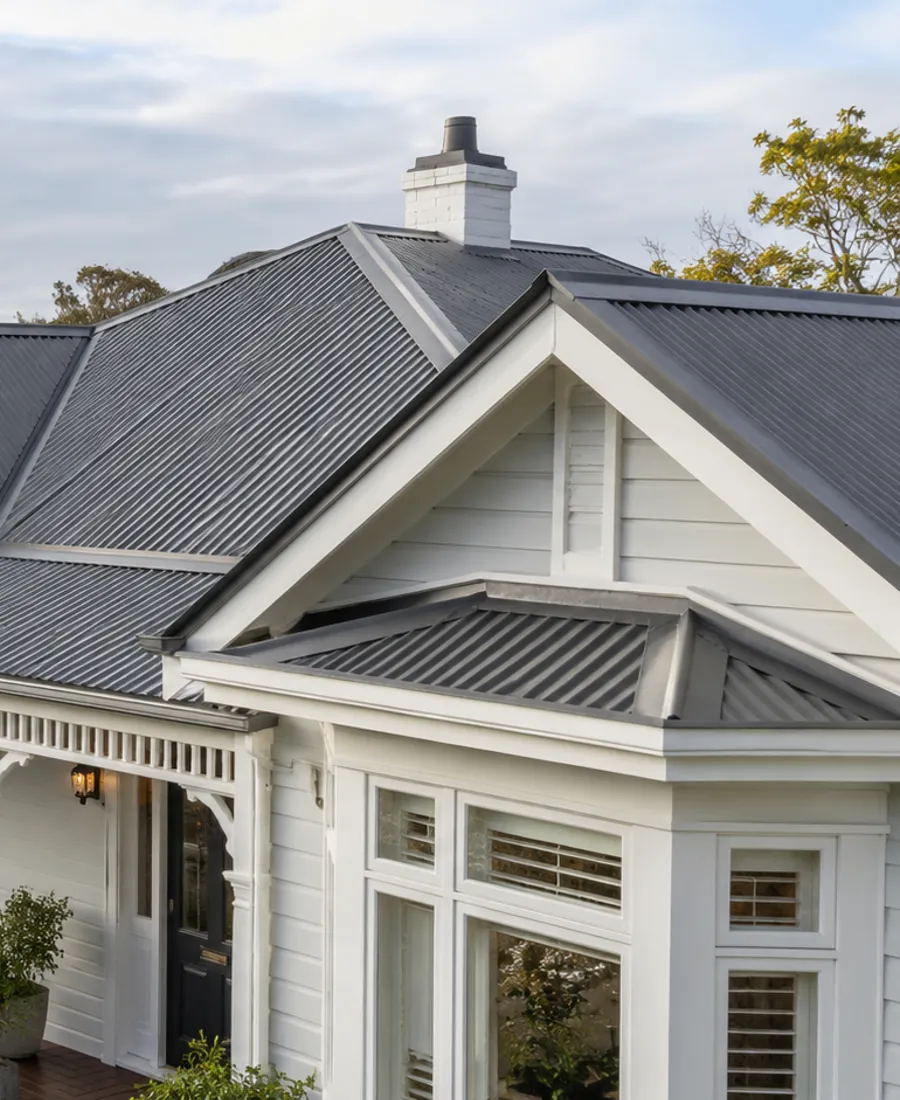
Growth on the shaded slopes
Green, dark or furry patches on the side facing the trees, while the sunnier side stays clean. A pattern like that points to shade and damp rather than random dirt.
Auckland / North Shore
Thoughtful preparation. A considered finish. Start with a conversation about your property.
Start with the surface
Planning Roof Painting Forrest Hill starts with understanding your own roof rather than choosing a colour alone. Metal and concrete tile surfaces can need different preparation, and the existing coating, visible wear and repair history all matter. Tell us whether the roof is fading, flaking or showing signs of damage so the enquiry can focus on the work your property needs.
For a home, rental or shared building in Forrest Hill, access and approval arrangements are part of the conversation. Include the number of storeys, any shared driveway or body corporate requirements, and photographs taken safely from the ground. Preparation, repair needs and a compatible coating system should be clear before work is agreed. Use the form to describe your roof, or call to discuss an assessment and a practical next step.
Trees and shade
With established gardens and tall trees, a roof often shares its surroundings with a lot of growth. Shade can keep a surface damp for longer, leaves collect in the places water should run, and branches can brush against the coating or drop material onto it.
A roof under trees is not necessarily in poor shape, and a clean roof in full sun is not necessarily in good shape. Condition depends on the material and its finish, so describe what you see, where it is and what stands above it.
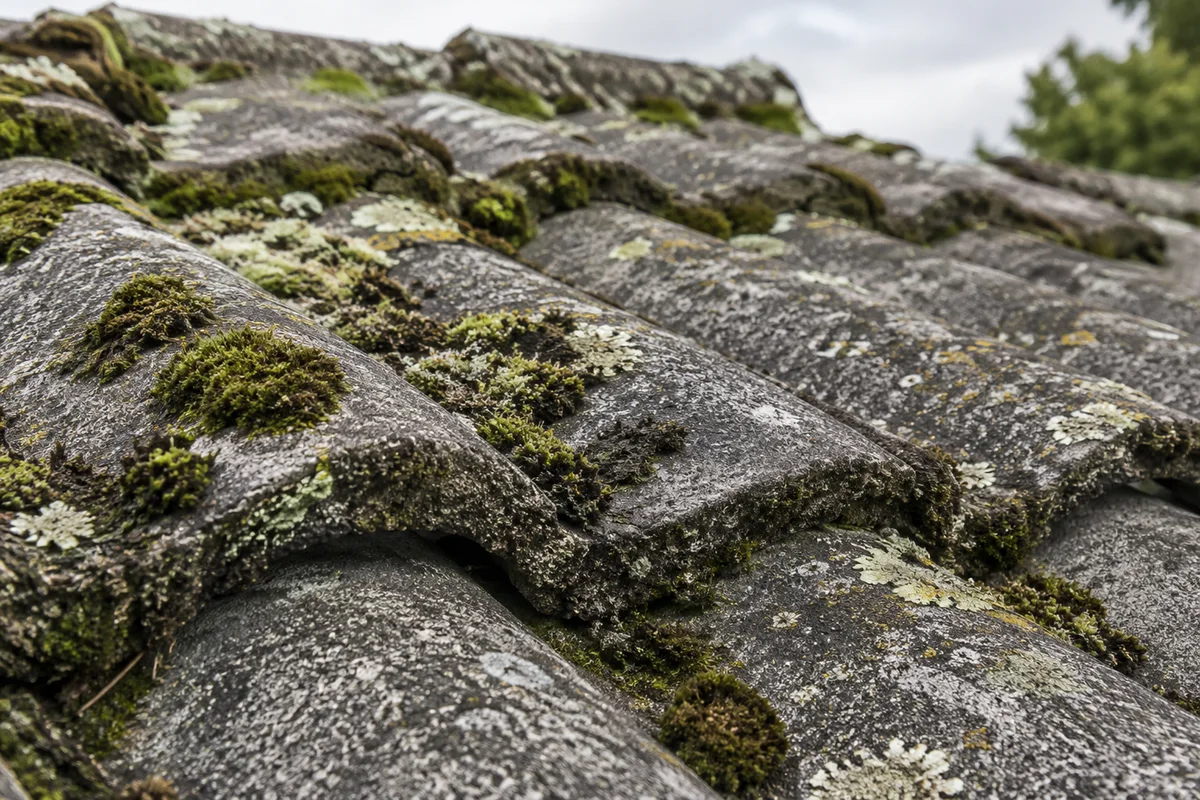
Shaded-roof signs
Check these from the ground, in daylight, and after rain if you can.
Green, dark or furry patches on the side facing the trees, while the sunnier side stays clean. A pattern like that points to shade and damp rather than random dirt.
Water spilling over a gutter at a single point, especially below a branch or where two slopes meet, can mean leaves have built up. Photograph the spill during rain.
Rubbed or lifted coating where a branch reaches the surface. Movement in wind wears a finish down along a line, and the bare patch can start to fail.
Leaf litter piled against walls, behind chimneys or along lower edges holds moisture against the surface. Note where it collects.
Dark or green lines running down cladding beneath the gutter suggest water is getting past it. Worth recording before any cleaning begins.
Inland neighbours
Another inland suburb with mid-century homes, trees and gardens, so the shade questions carry over.
A large inland suburb with a wide mix of house ages, helpful if your roof has older and newer sections.
Growth on a shaded slope is a cleaning question first; this explains why the method has to match the roof material.
Leaf-laden gutters are the usual casualty of overhanging trees; this covers describing access and what to ask.
When damp and leaf litter have left the coating tired, restoration separates the repairs from cleaning and recoating.
Tree questions
It is worth raising when you enquire. Branches that touch or overhang can shed debris, mark a coating and get in the way of access. Whether to cut anything back is your decision, or a neighbour's if the tree is theirs. Ask what difference it would make to your roof.
It can. Shade and leaf litter create the damp conditions growth likes, so cleaning does not remove the cause. Ask what the proposed cleaning and coating do and do not address, and what routine checks to make from the ground afterwards.
Not automatically, but age alone does not tell you what a roof is made of or what is on it. Parts may have been repaired or replaced over time. Share any records you hold, and do not sand or scrape an unknown surface yourself.
If leaves have been a problem, say so. Gutters sit at the roof's lowest edge and collect what it sheds, and work above them can drop debris into them. Ask for gutters to be listed in the scope, even if the answer is that they are done separately.
No. Photographs from the ground, taken from several sides and distances, are enough for a first look. Close inspection of the surface is for the person assessing it, using suitable safety measures.
Forrest Hill roofs
Send ground-level photos of each slope, the trees nearby and the driveway or garage beside the house. Then use the form or call 09 977 9907 so the assessment can plan for shade, debris and access.