
At the start
Photograph from fixed spots
Pick two or three safe viewpoints on the ground and photograph each roof slope from them. Note the date, the time of day and the weather.
Auckland / North Shore
Thoughtful preparation. A considered finish. Start with a conversation about your property.
Start with the surface
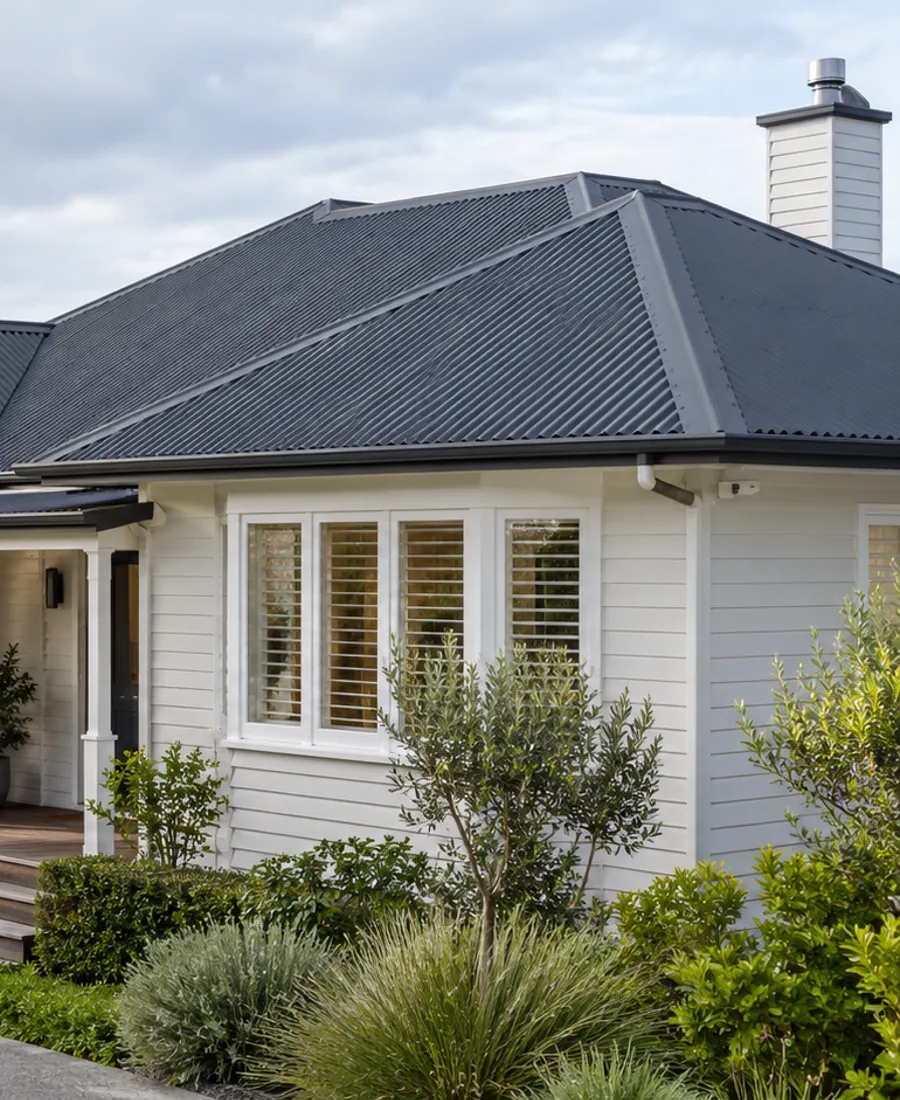
Planning Roof Painting Beach Haven starts with understanding your own roof rather than choosing a colour alone. Metal and concrete tile surfaces can need different preparation, and the existing coating, visible wear and repair history all matter. Tell us whether the roof is fading, flaking or showing signs of damage so the enquiry can focus on the work your property needs.
For a home, rental or shared building in Beach Haven, access and approval arrangements are part of the conversation. Include the number of storeys, any shared driveway or body corporate requirements, and photographs taken safely from the ground. Preparation, repair needs and a compatible coating system should be clear before work is agreed. Use the form to describe your roof, or call to discuss an assessment and a practical next step.
Condition record
Exposed sections can change at a different pace from the rest of a roof. A simple record turns a hunch into something you can compare.
Pick two or three safe viewpoints on the ground and photograph each roof slope from them. Note the date, the time of day and the weather.
Retake the same shots each season or after a big blow. Matching angles make small changes, such as a spreading stain or a lifting edge, easy to see.
Give the painter the dated photographs and your notes. Say which sections look worst and what you saw change between shots.
Problem and response
Staining, loose tiles and corrosion can sit on one roof at the same time. Each needs a different response, so the assessment should separate them.
| Aspect | What you may see | First response to ask about |
|---|---|---|
| Staining | Dark or green patches, often where the surface stays damp. | Cleaning, then a check of the coating beneath the stain. |
| Loose or cracked tiles | Slipped, rocking or broken tiles visible from the ground. | Repair or replacement before any coating is applied. |
| Corrosion on metal | Orange or brown spots, bubbling edges, rust around fixings. | Treating the metal and priming it, as the coating system requires. |
| Faded, chalky colour | A dull surface with the coating still bonded. | Cleaning and a compatible recoat may be considered. |
Around Beach Haven
Nearby suburbs with their own exposure questions, and the services that follow from a mixed-condition roof.
A residential Kaipātiki suburb with established vegetation and mixed home ages; helpful if branches reach the roof.
Older homes on a harbour point, where exposure to harbour weather is the main condition question.
A large inland suburb with a wide mix of home types, useful for working out what kind of roof you actually have.
Staining and growth come off before coating; this covers methods matched to the roof material.
If a deck sits under the roof edge, its coating and the roof work need planning together.
Loose tiles and corrosion are repair questions first; this sets out how repairs and coating fit together.
Judge by section
Exposed sections can wear differently from the sheltered parts of the same roof. If a proposal treats every slope as identical, ask why. A description area by area shows where preparation, repair or a different approach is justified.
Around the roofline
What stands beneath or beside a roof changes the plan. Pick the setting closest to yours.
Parts of a roof that miss the sun dry slowly and tend to hold growth. Ask how growth will be removed, how the cleaned area is treated before coating, and what the surface looks like underneath.
Branches drop leaves and rub the surface in wind. Trim what you are responsible for before the job, and ask for gutters and valleys to be cleared as part of preparation.
Anything beneath the roof edge can catch drips, flakes and cleaning residue. Clear furniture and pots, and ask how timber boards will be covered and cleaned afterwards.
If vehicles cannot reach the house, equipment and materials arrive on foot. Describe gates, steps and tight turns so the planning allows for them.
Roof edge parts
On exposed sections, these are the details a careful assessment checks closely.
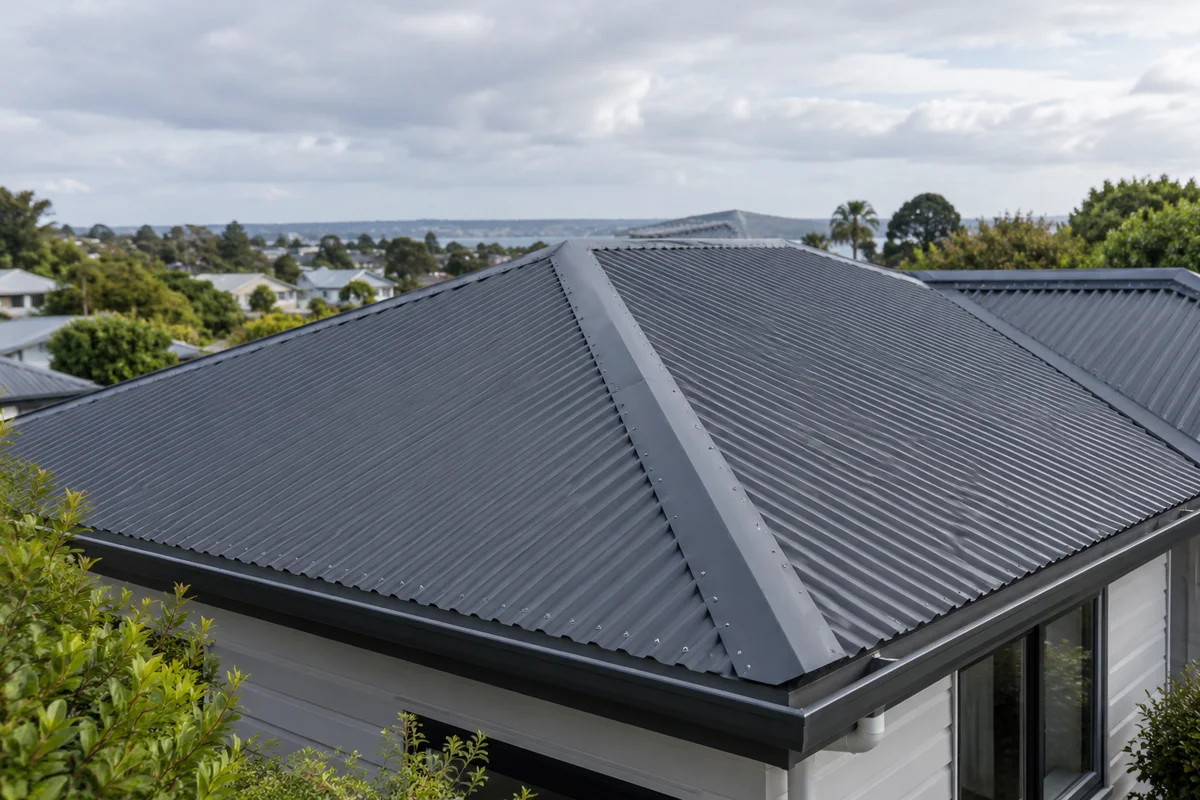
The highest line takes direct sun and wind. Look for lifted, cracked or stained sections along its length.
Edges face the weather head-on. Flaking or exposed material here can let water in behind the coating.
Screws, nails and clips can loosen or corrode. Rust halos around them are worth photographing.
Where a roof meets a wall or a vent, flashing directs water away. Lifted or stained flashing is worth flagging.
Beach Haven enquiries
Send dated photographs, a note of which sections face the weather and what sits beneath them. Call 09 977 9907 or use the form and we will help work out what to have assessed.