
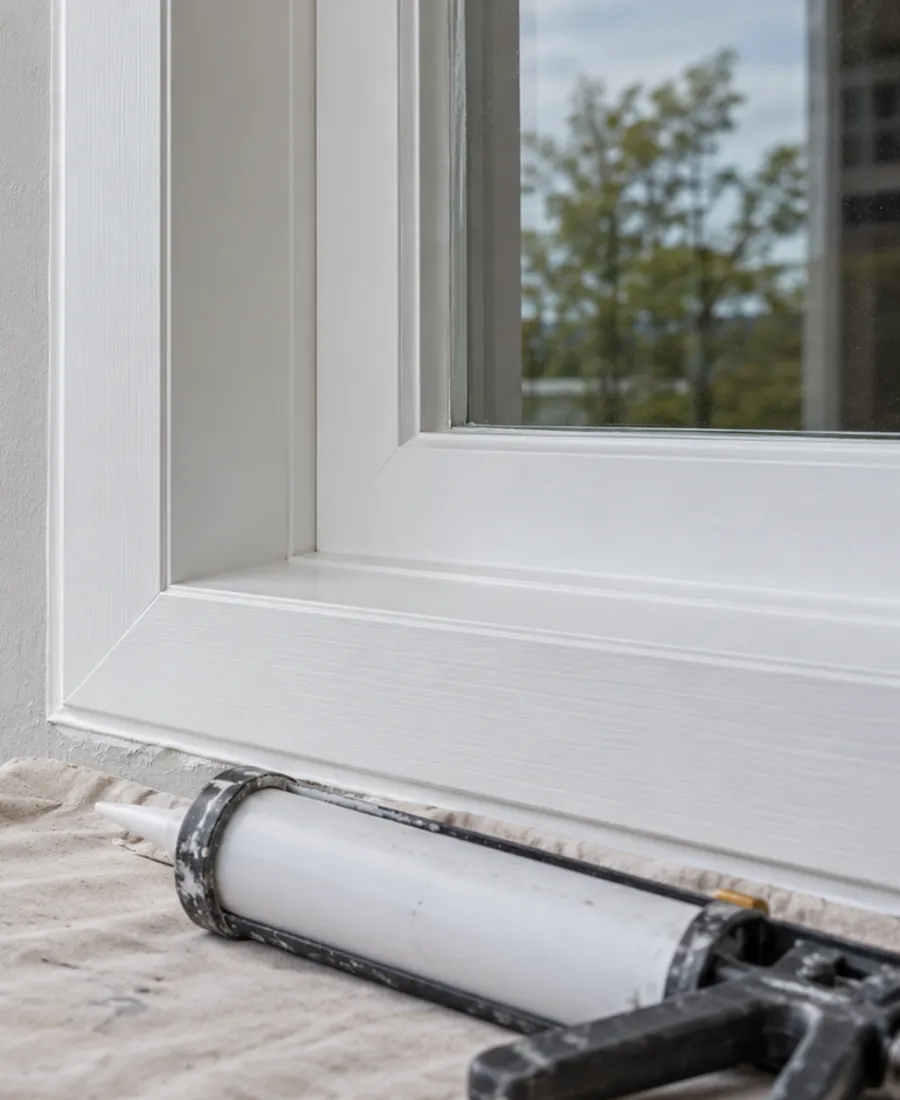
Skirting Board Gap Filling
Filling of gaps between skirting boards and walls or floors, creating clean, sealed lines that improve the finished look and prevent dust build-up.
Fresh colour. Lasting protection. Auckland roofs, renewed.
Serving Auckland, New ZealandAuckland Roof Painting Pros
Thoughtful preparation. A considered finish. Start with a conversation about your property.
Start with the surface
Our Auckland Gap Filling service starts with the property and the surfaces involved. For gap filling, the important considerations include paintable junctions, movement and suitable flexible fillers. Understanding the existing material, coating and condition helps define the right preparation before a finish is selected. Tell us about visible wear, previous work and any areas that need particular attention.
A useful proposal should set out the surfaces included, preparation, any agreed repairs, the coating system and access arrangements. Timing also needs to allow for suitable application and drying conditions. Share your address, photographs and preferred timing through the enquiry form, or call to discuss the project. We can then clarify the details that need assessment and the next step for your property.
Sealing the gaps
Skirting Board Gap Filling
Filling of gaps between skirting boards and walls or floors, creating clean, sealed lines that improve the finished look and prevent dust build-up.
Architrave Gap Filling
Filling of gaps around door and window architraves, giving openings crisp, seamless edges that make fresh paint look more polished and professional.
Cornice Gap Filling
Sealing of gaps where cornices meet walls and ceilings, creating smooth, continuous lines that sharpen the overall look of each room.
Window and Door Frame Gap Filling
Flexible filling of gaps around window and door frames, improving appearance and helping reduce drafts and moisture entry around openings.
Exterior Joint Sealing
Weatherproof sealing of gaps around exterior trims, cladding joints and frames, protecting against water entry and keeping paint finishes intact for longer.
Crack Filling
Filling of small cracks in walls, ceilings and timber trims, giving surfaces a smooth, even finish before painting and helping them stay crack-free.
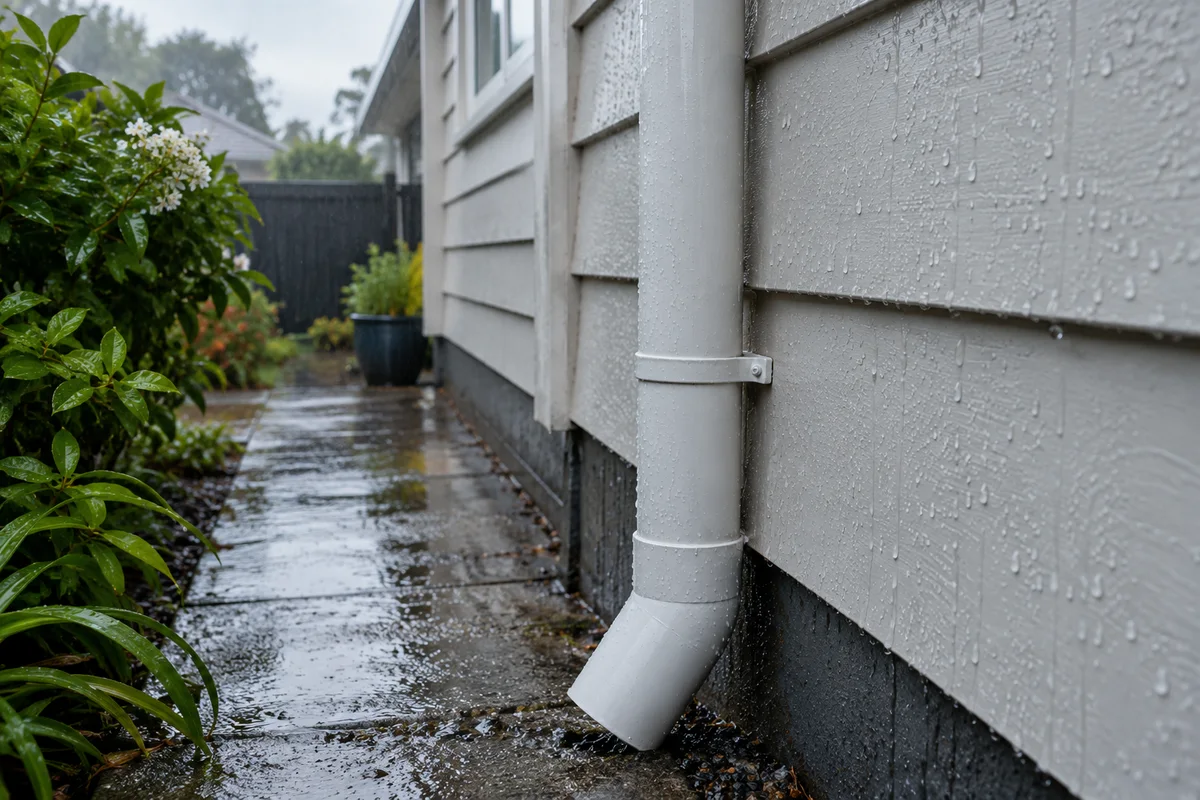
Sealed and sharp
We fill gaps around trims, frames and joints with the right flexible sealants, giving clean lines and keeping draughts and moisture out.
Filled gaps make fresh paint look sharper and help keep water and draughts out of your home.
Tell us where the gaps are and we will provide a clear quote.
Request a Quote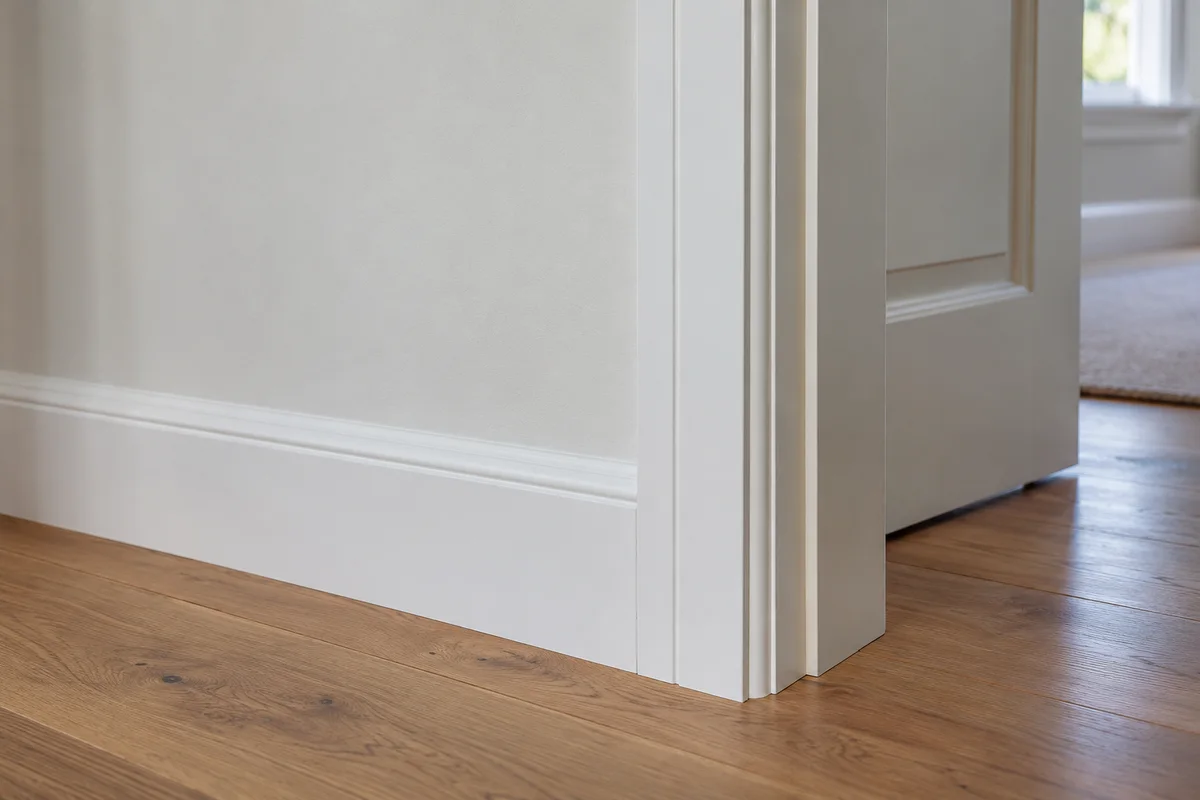
Gap Filling quote
Every home is different. These are the main factors that shape the price of your gap filling quote in Auckland.
Amount and Length of Gaps
Gaps along skirting boards, architraves, cornices and frames are usually measured by length, so homes with more joins and longer runs naturally cost more to fill.
Gap Size and Depth
Hairline gaps need a simple flexible filler, while wide or deep gaps require backing materials and multiple applications, which takes more time and product.
Interior or Exterior Joints
Exterior gaps around cladding, trims and frames need weatherproof, UV-stable sealants, while interior gaps use paintable fillers, and the products used influence your price.
Surface Movement and Cause
Gaps caused by timber movement, settling or poor installation may reopen without flexible products, so correct materials and sometimes extra preparation are needed for a lasting result.
Access and Height
High cornices, upper-storey windows and hard-to-reach exterior joins may need ladders or scaffolding, and tight spaces behind furniture add setup and protection time to the job.
Painting After Filling
Filled areas need sanding, priming and repainting for a seamless finish, and including full repainting of trims or walls adds to the quote compared with filling alone.

Why seal gaps
Sealed gaps sharpen the finish and keep the weather out, giving clean, continuous lines around trims, frames and junctions while reducing draughts and stopping moisture from working its way behind the surface.
It is a small step that makes paintwork look far more refined, tidying every join and edge, protecting frames and cladding junctions, and helping the finished result look crisp and genuinely professional.
Gap Filling process
Joint assessment
We identify which gaps to fill and which should stay open for movement or drainage.
Clean the joints
Each joint is cleaned back so the sealant has a sound surface to hold.
Back deep gaps
Wide or deep gaps are backed before sealing for a lasting result.
Apply sealant
A suitable flexible sealant is applied, matched to interior or exterior use.
Tool the lines
The sealant is tooled neatly for clean, continuous lines ready to paint.
Paint-ready handover
Filled areas are left sanded and ready, with the work recorded.
Gap Filling FAQ
Shrinkage gaps around trims and frames are usually filled, while some gaps need to stay open for drainage or movement. We use judgement so the result lasts.
A flexible, paintable filler for interior joints, and weatherproof, UV-stable sealants for exterior junctions, matched to each location.
Gaps are usually measured by length, so it depends on how many joins and runs there are, plus size, access and whether painting is included.
Using flexible products and preparing the joint properly reduces re-cracking, though significant movement can reopen gaps over time. We choose materials to suit.
Yes, with weatherproof sealants that help keep moisture and draughts out around trims, frames and cladding junctions.
Filled areas are sanded and can be primed and repainted for a seamless finish. Let us know if you want the trims or walls repainted too.
Tell us where the gaps are and send photos through the form, or call, and we will provide an estimate.
Gap Filling enquiry
Tell us about your gap filling project — the surface, its condition and the access involved. Send photos from the ground with the enquiry form, or call, and we will talk through a scope and a clear estimate.