
Brown marks inside after rain
Water is getting in somewhere. A coating does not trace or stop a leak, so the entry point needs finding before anything is applied.
Auckland Roof Painting Pros
Your Local Expert in Roof Repair and Maintenance
Our Auckland Roof Restoration & Coatings service starts with the property and the surfaces involved. For roof restoration & coatings, the important considerations include roof condition, repair priorities and compatible restoration coatings. Understanding the existing material, coating and condition helps define the right preparation before a finish is selected. Tell us about visible wear, previous work and any areas that need particular attention.
A useful proposal should set out the surfaces included, preparation, any agreed repairs, the coating system and access arrangements. Timing also needs to allow for suitable application and drying conditions. Share your address, photographs and preferred timing through the enquiry form, or call to discuss the project. We can then clarify the details that need assessment and the next step for your property.
Before we start, we will first inspect your roof. We will assess according to the severity of the damage, the condition of your roof, and the materials used.
Once we get the correct assessment for your roof, we will begin ridging the capping and applying protective coatings. This whole process will give your roof a new look and an additional year.
Quotes depend on the individual property, surface condition and access.
Prefer to talk? 09 977 9907 · Mon–Fri 8am–6pm, Sat 9am–1pm
Beyond a repaint
Fading is cosmetic. These are different. If you can spot any of them from the ground, the conversation should start with condition, not colour.
Water is getting in somewhere. A coating does not trace or stop a leak, so the entry point needs finding before anything is applied.
Spots that bleed through an earlier repaint point to corrosion that was painted over rather than treated. They often mean fixings or sheet edges need attention.
Look for tiles out of line, broken corners and ridge pieces that seem to have shifted. Damaged tiles are replaced or repaired before cleaning and coating.
Flakes and chalky grit in the gutters or on the path below show the old coating has let go of the surface. It cannot simply be painted over as it stands.
Visible dips or waves along a ridge or rafter line can be a framing problem. That needs a builder's opinion first; no coating will straighten it.
Restoration in pictures
A restoration scope bundles different jobs together. Seeing them apart makes two quotes much easier to compare.
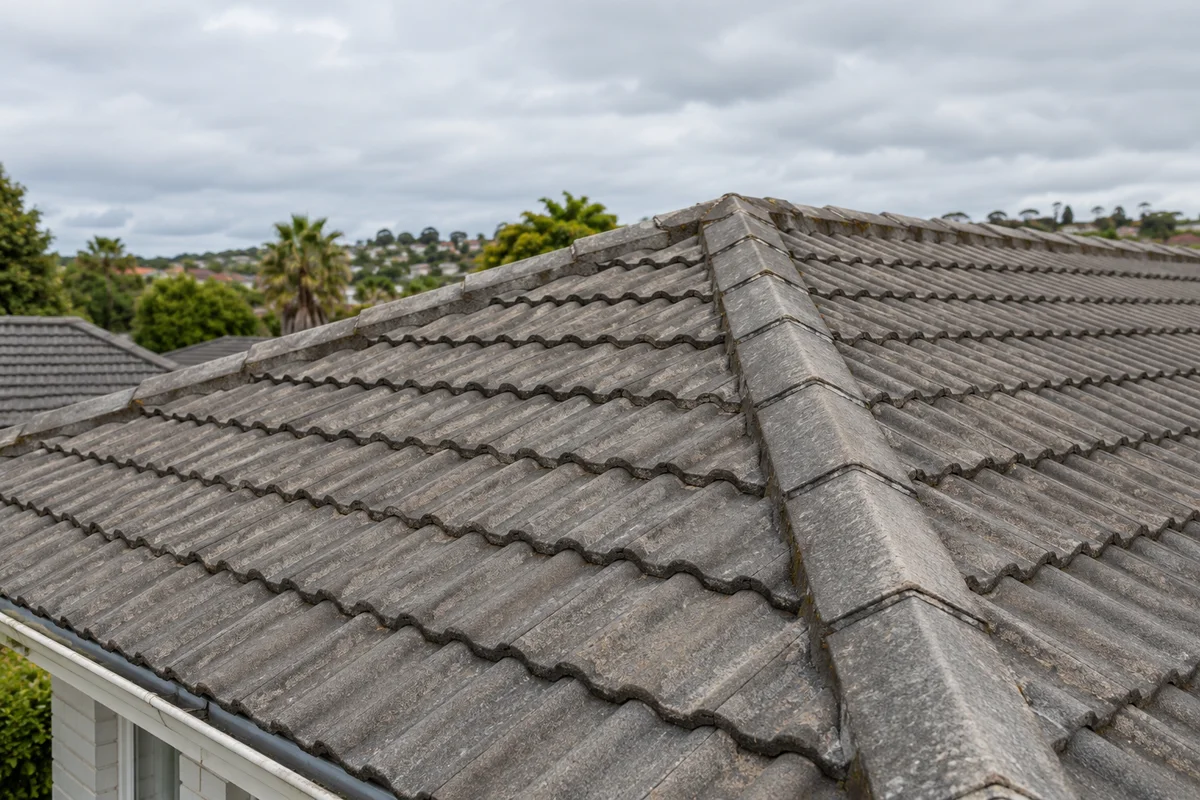
Tile roofs reward close attention
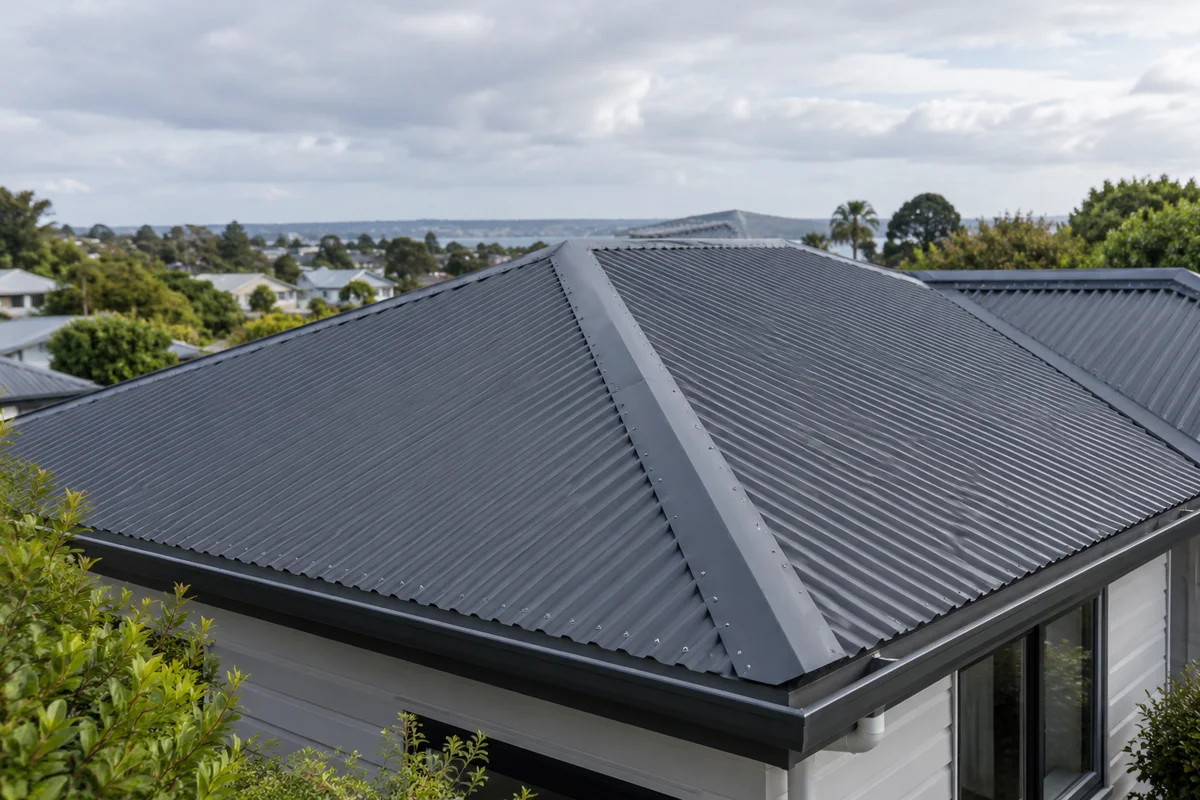
Metal roofs: fixings, laps and corrosion spots

Repairs listed apart from the coating
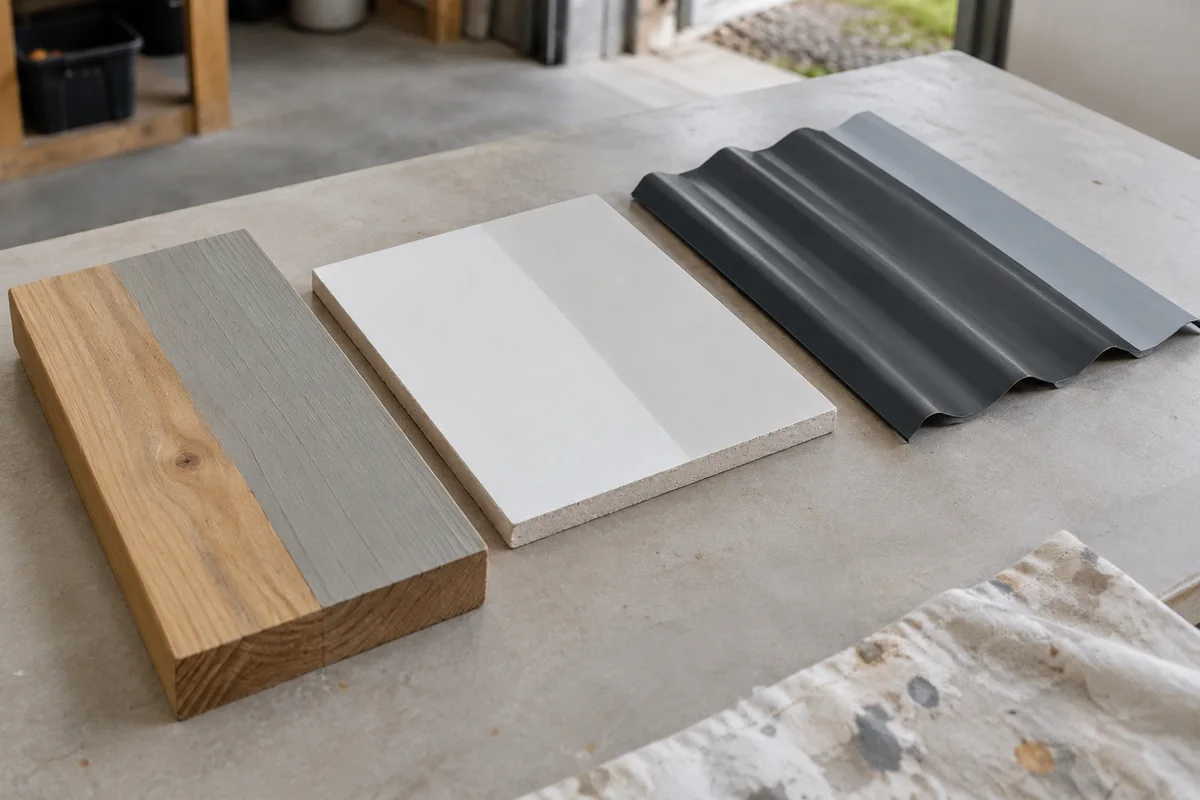
Primer and coating built on a sound base
Roof type
Restoration looks different depending on what is under the old paint. Pick the situation closest to yours.
On metal, the questions are rust at screw heads and cut edges, fixings that have loosened, and paint that has lifted at the laps. Restoration usually means treating corrosion, refixing, then recoating over a suitable primer.
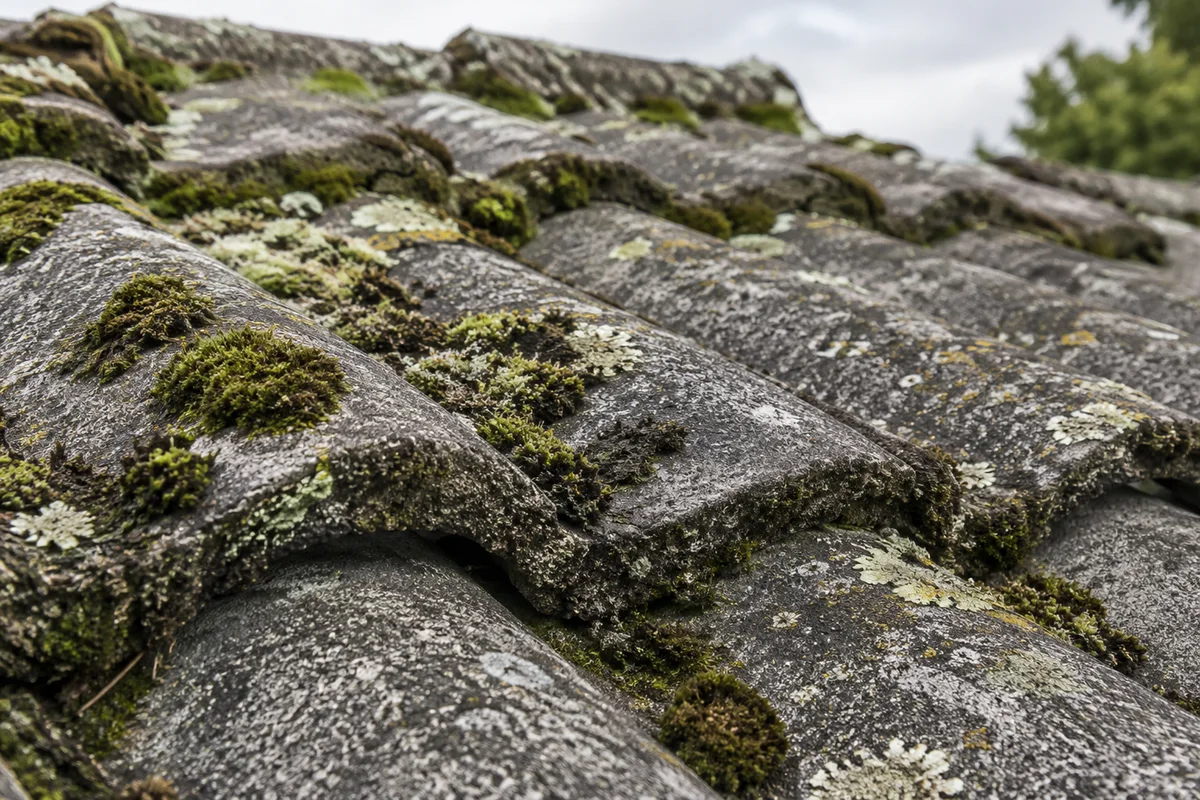
Concrete tile roofs can carry surface growth, cracked tiles and tired ridge bedding. Damaged pieces are dealt with first. Ask how replacements will match, and who is responsible for a tile that breaks during the work.
A previous coating may be sound, tired or failing. Patches that lift at the edges show it is not holding. The existing system needs to be identified so the new primer and topcoat are compatible with it.
A coating is not a leak repair. Staining inside, or dripping near a ceiling light after rain, means the entry point has to be traced and fixed first, whatever the roof is made of.
Quote vocabulary
Unfamiliar words are where scope gets vague. Ask for each one to be explained against your own roof.
Read alongside
Restoration touches several other jobs. These explain the ones you are most likely to weigh up at the same time.
When the roof is sound and only needs colour, a repaint is the simpler job. This lays out what it involves.
Cleaning is the first stage of most restorations, and sometimes the only one a roof needs.
Gutters and fascia at the roof edge often show wear alongside the roof, so they are worth planning together.
Primer and topcoat choices decide how a restored roof copes with weather, so know the options before you accept a quote.
Roof condition enquiry
List the stains, rust, cracked tiles or flaking you can see from the ground, and add a few photos. That is enough to work out whether you need a repaint, repairs first, or a closer look.