
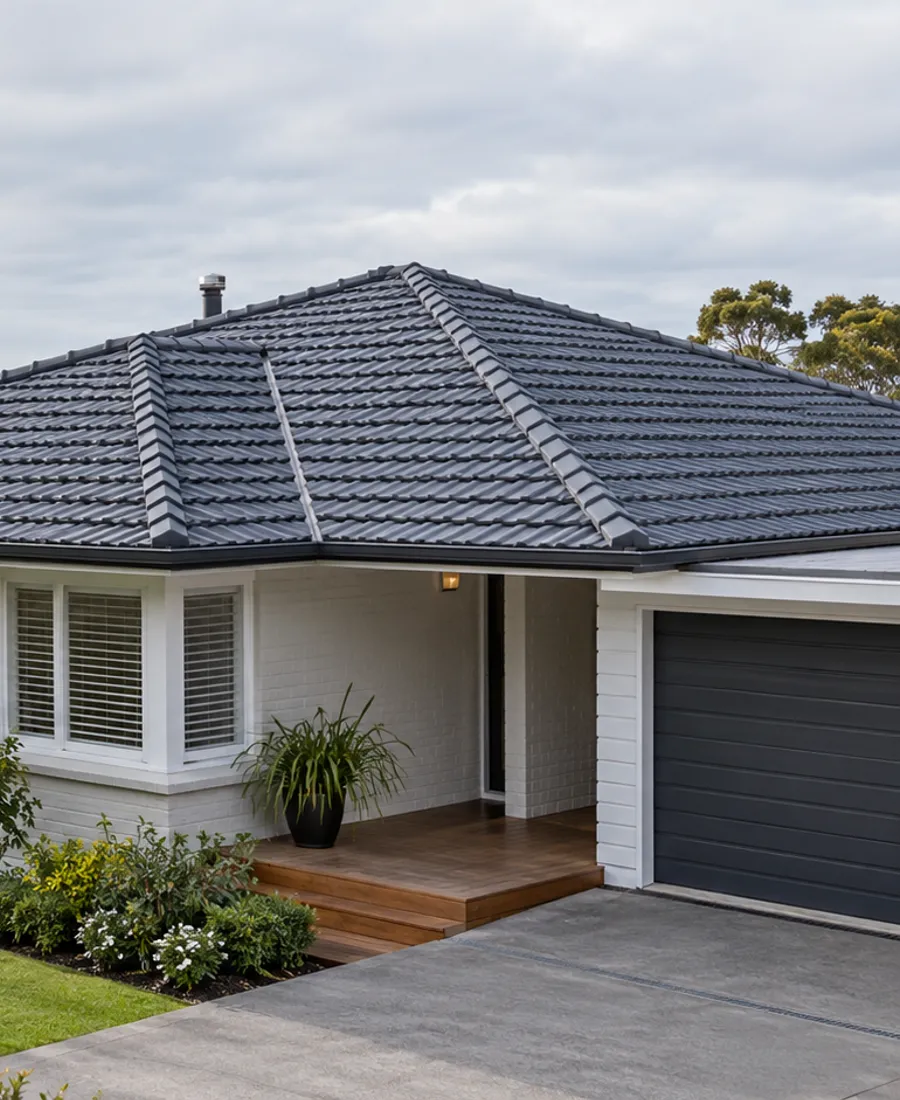
Flakes in the gutters
Chips or curls of old coating in the gutter, or on the path below, suggest the finish is letting go. Photograph them with the roof edge above in the frame.
Auckland / North Shore
Thoughtful preparation. A considered finish. Start with a conversation about your property.
Start with the surface
Planning Roof Painting Glenfield starts with understanding your own roof rather than choosing a colour alone. Metal and concrete tile surfaces can need different preparation, and the existing coating, visible wear and repair history all matter. Tell us whether the roof is fading, flaking or showing signs of damage so the enquiry can focus on the work your property needs.
For a home, rental or shared building in Glenfield, access and approval arrangements are part of the conversation. Include the number of storeys, any shared driveway or body corporate requirements, and photographs taken safely from the ground. Preparation, repair needs and a compatible coating system should be clear before work is agreed. Use the form to describe your roof, or call to discuss an assessment and a practical next step.
Mixed housing stock
In a large suburb with a wide mix of home types and ages, the roof next door tells you very little about yours. Neighbouring roofs can differ in material, in age and in how much coating they have left, and a single house can carry two or three of those at once.
Before you ask for a quote, work out what you are describing. Metal or tile, original or replaced, painted once or many times. Even rough answers help a painter decide what to look at first.

Visible warning signs
You can learn a lot without leaving the ground. Look, photograph, note the date and keep off the roof.
Chips or curls of old coating in the gutter, or on the path below, suggest the finish is letting go. Photograph them with the roof edge above in the frame.
An extension, lean-to or garage roof can fade differently from the main roof. A visible change at a join shows the sections have aged apart and may need separate preparation.
Orange-brown streaks below fixings, laps or edges point to corrosion on a metal roof. Note where they start. That is a repair question before it is a painting one.
A brown ring or soft patch inside means water is getting in somewhere. Paint on top will not cure a leak, so mention it when you first get in touch.
Around Glenfield
A few Kaipātiki neighbours, plus the services that follow from what you spotted.
Another Kaipātiki suburb with a mix of home ages and established vegetation; useful if trees overhang your roof.
An established inland suburb with many mid-century homes, so its page leans on older coatings and mature gardens.
Read this if the signs above point past a fresh colour to repairs, such as rusted fixings or broken tiles.
Dark streaks and growth come off before any coating, and the method has to suit the roof material.
Flakes and debris land in the gutters first, so check the runs while you are scoping the roof.
If walls and trims need work as well, this covers the cladding side of the sequence.
Sequencing the work
A house that has been altered over the years often needs more than one thing done. Order and records keep it manageable.
Roof work sheds debris and runoff, so it usually comes before gutter repairs and exterior painting. Agree that order in writing, because washing a roof above freshly painted walls can undo the wall work.
Ask for roof preparation, gutter work and wall painting to be listed as their own items. If you need to spread the work out, you can defer one without rewriting the rest, and each line shows which surface gets what.
For a rental, tell tenants early and name one contact. Agree where vehicles can stand, which doors stay usable, and what needs moving off decks, paths and clotheslines before work begins.
A previous owner may have used a product nobody can identify. Say so. A compatible primer and topcoat depend on what is already there, and the products used should be written down when the job is done.
Roof sections
Larger sections and later additions often carry different materials, so each deserves its own line in the scope.
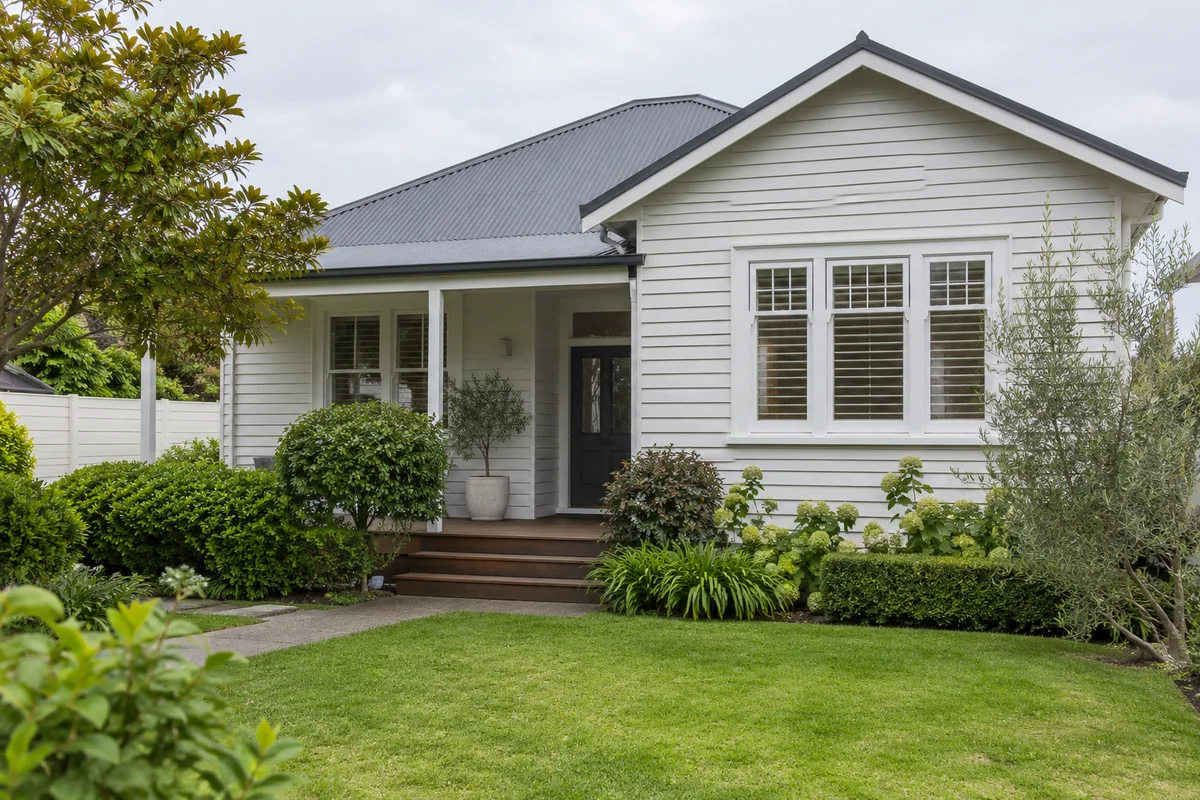
Usually the biggest area and the one colour is judged on. A wide photo from the street or garden shows its overall condition.
Added later, so the pitch, material and coating may not match the main roof. List it separately.
Smaller roofs over a garage, carport or entrance are easy to leave out of a scope. Name each one.
Where two roofs meet, and where water leaves at the gutter, staining and wear often show first. Note both for the assessor.
Scoping a mixed roofline
A big, varied property is easiest to assess when the information arrives in a sensible order.
Stand back for each roof section, then take one close view of any flaking, rust or damage. Keep your feet on the ground and note the date on each set.
Mention extensions, tenants, a shared driveway, tight or steep spots and anything you know about earlier repairs. Surprises are easier to handle on the phone than on the day.
Check that each roof section, preparation step and repair is named, along with the coating system and access arrangements. Ask for product names and any warranty terms in writing.
Glenfield enquiries
Send the material, the age if you know it, photographs of each section and any tenant or access notes. Call 09 977 9907 or use the form and we will work out what needs assessing.