
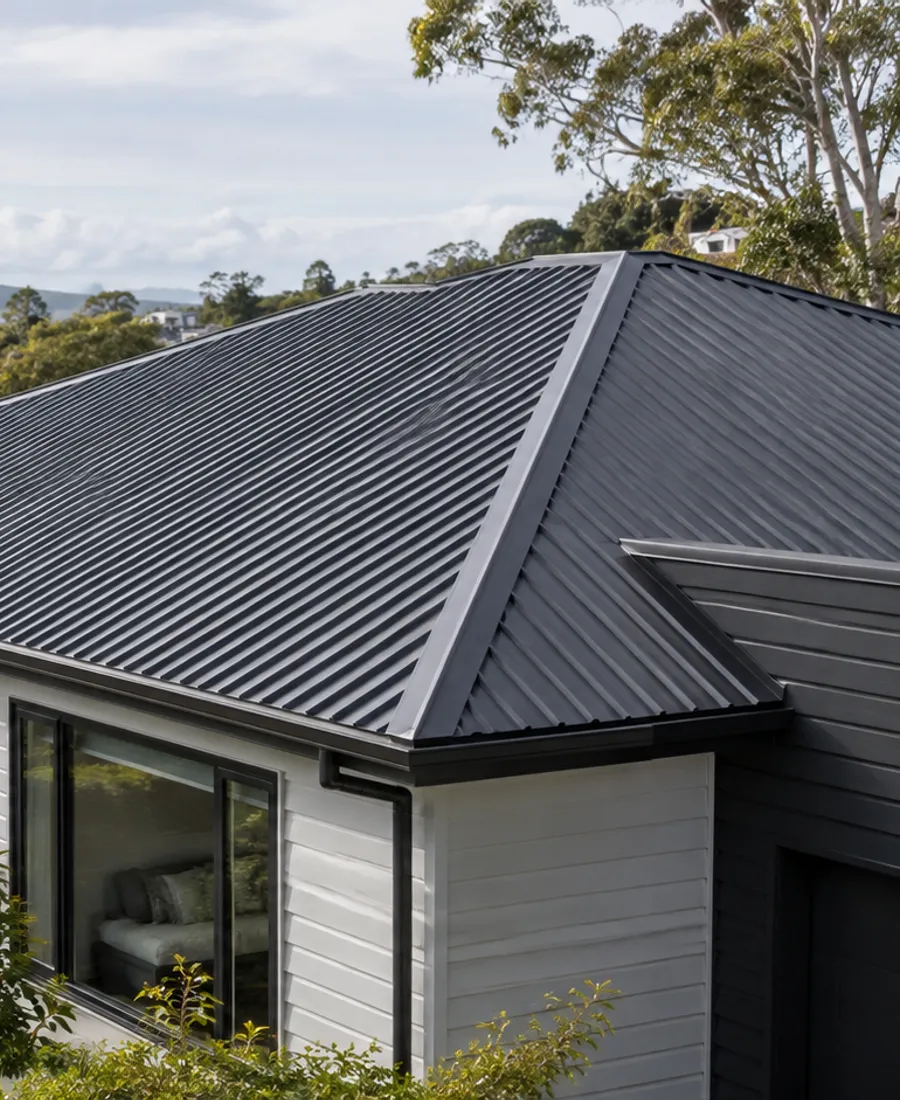
A roof that is yours
- You choose timing, colour and scope yourself
- Access runs through your own site
- Records stay with you and the next owner
- Neighbours may only need to hear about access
Auckland / North Shore
Thoughtful preparation. A considered finish. Start with a conversation about your property.
Start with the surface
Planning Roof Painting Northcote starts with understanding your own roof rather than choosing a colour alone. Metal and concrete tile surfaces can need different preparation, and the existing coating, visible wear and repair history all matter. Tell us whether the roof is fading, flaking or showing signs of damage so the enquiry can focus on the work your property needs.
For a home, rental or shared building in Northcote, access and approval arrangements are part of the conversation. Include the number of storeys, any shared driveway or body corporate requirements, and photographs taken safely from the ground. Preparation, repair needs and a compatible coating system should be clear before work is agreed. Use the form to describe your roof, or call to discuss an assessment and a practical next step.
Shared ownership
Where homes are joined, as in units or townhouses, a single roofline can cover several households. Then the first question is not colour or product. It is who owns the roof, who decides, and who pays.
Often that means a body corporate, a committee or a property manager. Their approval and their access rules can shape the whole job, so settle that before you collect quotes and the paperwork that follows gets much simpler.
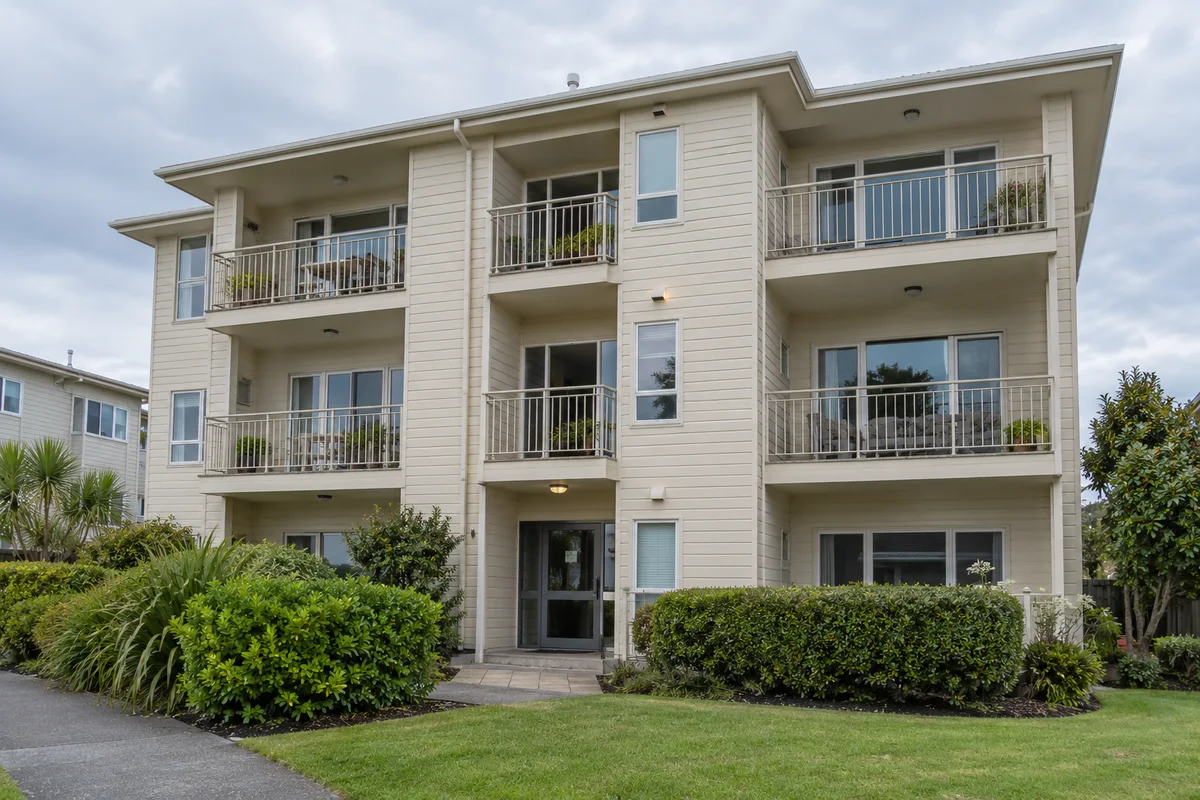
Who decides
The same coating can be a quick personal decision or a committee process. Work out which one you are in.
Settle which side of this line your property sits on before you ask anyone to quote. It changes who signs, who is told and who keeps the records.
Around Northcote
Some nearby Kaipātiki pages, and the services that deal with common property and managed buildings.
Unit owners need to separate what is theirs from common property; this covers lift bookings, parking and approvals.
Older, character-rich homes on a harbour point; helpful for judging roof colour against older fixed materials.
An older harbour-side suburb of villas and bungalows with steep streets, a different access picture from a unit block.
Shared gutters and downpipes can serve more than one household, so repairs are worth planning alongside the roof.
Once a committee has settled colour and sheen, primer and topcoat still need matching to the surface.
If a managed building needs repairs before coating, this sets out why the order matters.
Approval trail
You may not need all of them. Whoever manages the building will often know which exist.
| Aspect | Where to look | Why it matters |
|---|---|---|
| Who owns the roof | Title records, the unit plan or body corporate documents. | It decides who may order and pay for the work. |
| Who can approve work | Committee minutes, the body corporate manager or your property manager. | A sound proposal can still stall without the right sign-off. |
| Which colours are allowed | Any colour schedule or exterior rules the body corporate holds. | It avoids surprises once the coating is on. |
| Who unlocks access | The caretaker, the manager or each household in turn. | Roof work often needs paths, car parks or gates cleared. |
| What was done before | Maintenance logs, invoices or the previous painter's notes. | It tells the next painter which products are already on the roof. |
Shared junctions
In a terrace or small block, the roofline crosses ownership lines. Junctions between units, shared gutters and common downpipes are where one household's problem can become another's. A repair or recoat is easier to judge when it considers the whole run rather than stopping at a boundary nobody can see from the street.
Living beside the work
A managed building has many people who never chose the schedule. Tell them what is coming.
Send written notice with the scope, the access days and a contact. Ask residents to clear balconies, washing lines and vehicles from the work zones.
Agree which entrances, paths and parking bays remain usable, and who answers questions on site. Keep children and pets clear of cleaning and coating areas.
Give the committee or manager the products used, colours, dates and care notes, so the next round of maintenance starts from facts.
Details to send
A shared-building enquiry is easier to assess when the practical details arrive together.
Say how many units share it and how many storeys it covers. A rough sketch of the block helps more than a long description.
One wide view of the whole roofline from the street, and close views of flaking, staining or damage. Take every photo from the ground.
Say which units are rented, so notice and access can be arranged properly with each household.
Describe shared car parks, bin areas and any gates, so anyone arriving on site knows where to go.
Mention quiet hours, move-in dates or building events that should shape the access days.
Northcote enquiries
Tell us how many units share the roof, who approves work and how access runs. Photographs from the ground and any colour rules will help us frame an assessment.