
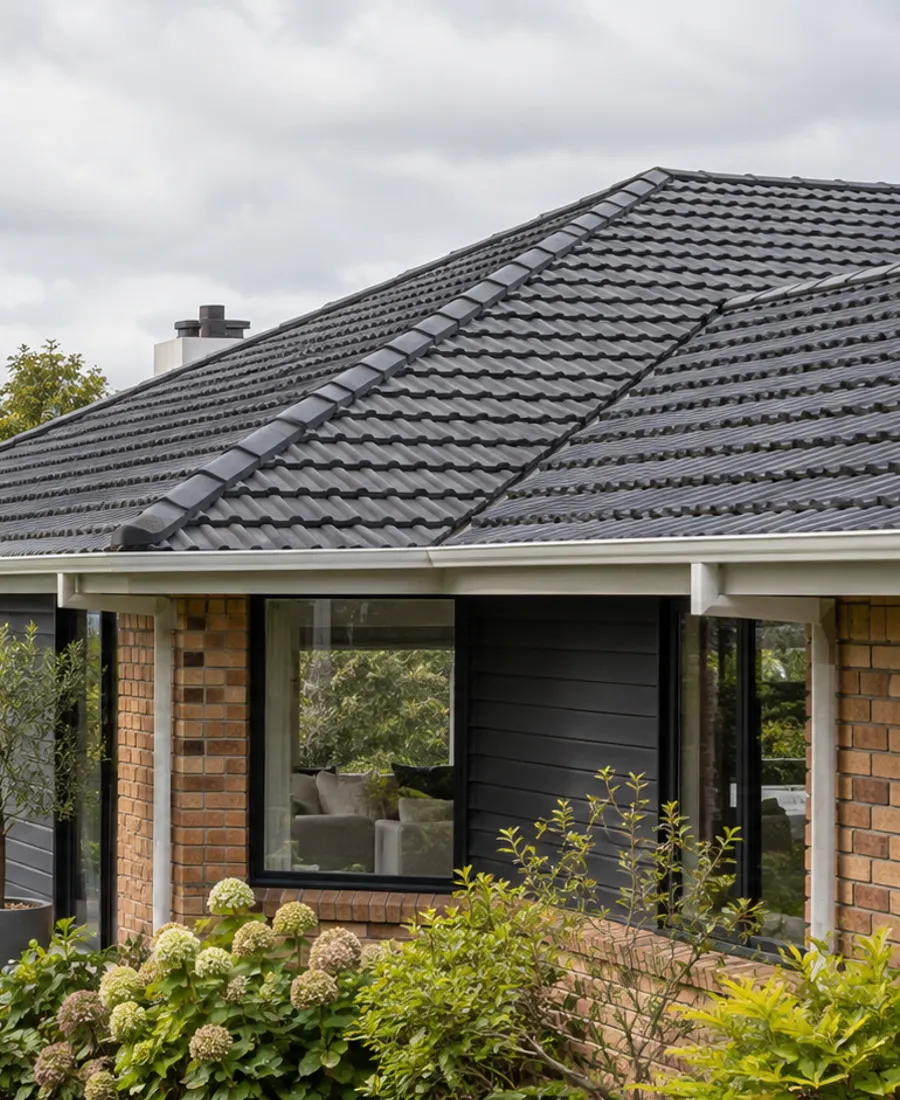
Staining under the gutter line
Brown or grey streaks on the wall beneath the roof edge suggest water is escaping somewhere above. Photograph the streak and note the weather when it appeared.
Auckland / North Shore
Thoughtful preparation. A considered finish. Start with a conversation about your property.
Start with the surface
Planning Roof Painting Milford starts with understanding your own roof rather than choosing a colour alone. Metal and concrete tile surfaces can need different preparation, and the existing coating, visible wear and repair history all matter. Tell us whether the roof is fading, flaking or showing signs of damage so the enquiry can focus on the work your property needs.
For a home, rental or shared building in Milford, access and approval arrangements are part of the conversation. Include the number of storeys, any shared driveway or body corporate requirements, and photographs taken safely from the ground. Preparation, repair needs and a compatible coating system should be clear before work is agreed. Use the form to describe your roof, or call to discuss an assessment and a practical next step.
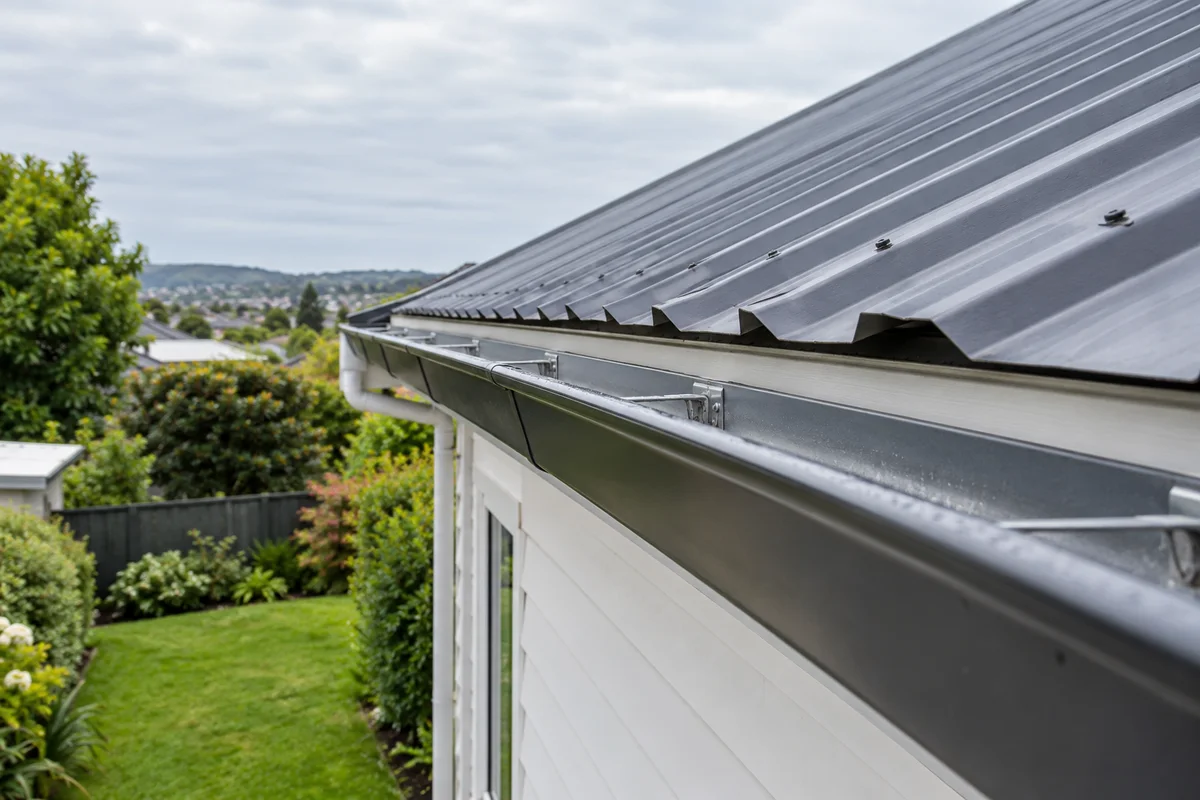
Roofline parts
Water does not care which part of the roofline it is on. It runs off the surface, along the edge, into the gutter and down to an outlet, and a fault at any point can leave a mark somewhere else. Close to the beach, salt can add to the wear at each of those points. A brief that names the whole edge, not just the roof sheets or tiles, lets the assessment follow the water.
Words for water marks
The more exactly you describe a mark, the less guessing there is in the scope. These terms help.
Where to point the camera
Every photo should be taken from the ground. These angles show where water travels and where it leaves marks.

The whole roofline from across the road
The gutter run along its length
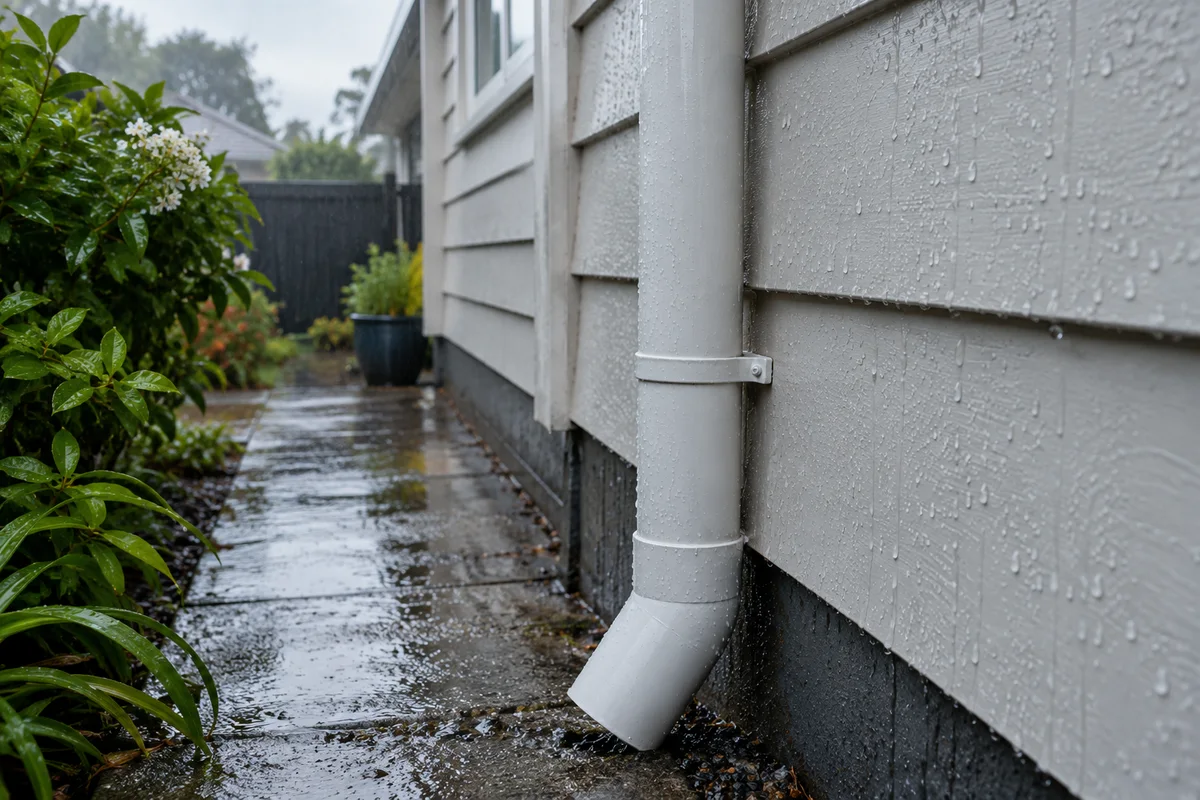
Marks below outlets and downpipes

The point where roof meets wall
Gutters and neighbours
A blocked outlet is the simplest explanation for overflow, so clearing it is often the first test.
A leaking joint or sagging run is repair work, and it should be sorted before any coating goes on.
Salt film and growth come off first, using a method that suits the roof material and protects the gutters.
Fascia, trims and walls beside the roofline can be scoped alongside the roof so colours are decided together.
The beachfront page, for exposed roof edges, sea air and wind in more detail.
Early warnings
Each of these can be spotted from the ground. Photograph them, then raise them in the enquiry.
Brown or grey streaks on the wall beneath the roof edge suggest water is escaping somewhere above. Photograph the streak and note the weather when it appeared.
Peeling or bubbled paint along the fascia can follow repeated wetting from a failing gutter joint. Painting over it without finding the cause can bring it straight back.
Sealant or paint splitting where the roof meets a wall lets water in behind. Photograph it close up and wide, so the position is clear.
A ceiling or wall mark inside is a leak until shown otherwise. Record when it appears. Painting the roof will not stop it.
Around the building
Roof work happens above gardens, sheds and shared paths. This is the sequence that keeps them safe.
Note planting under the eaves, any outbuilding close to the house and the route access equipment would take. Tell the assessor which paths must stay open.
Agree who moves pots, furniture and bins, and what gets covered. Ask where runoff from cleaning will go and whether downpipes are protected.
Look again at the places that were stained or marked before. Photograph them from the same positions and keep the pictures with the product record.
Roofline enquiry
Describe where you see overflow or staining, and in what weather. Add the address, the storeys and photos taken from the ground. Call 09 977 9907 or use the form.