
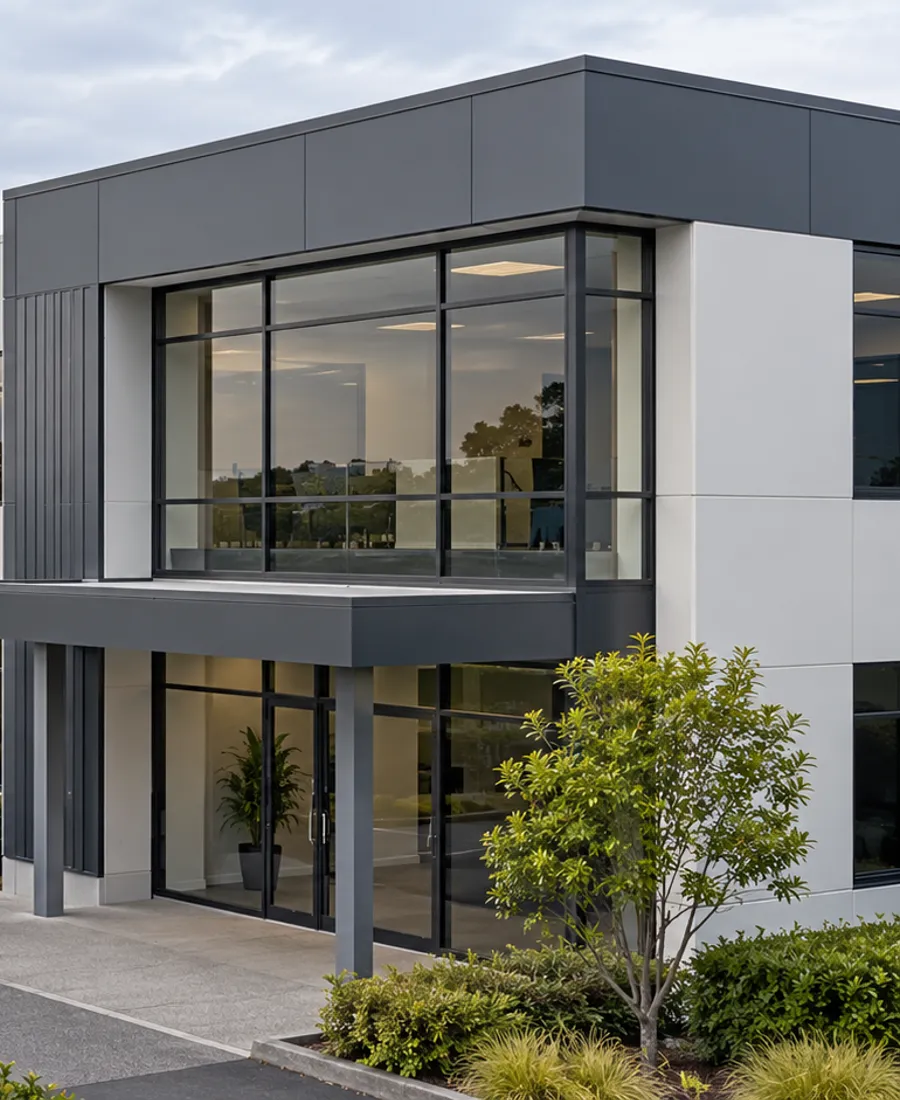
Customer entrance
Keep one clear, dry, signposted way in. Plan which doors are painted when, and how customers are told.
Auckland Roof Painting Pros
Thoughtful preparation. A considered finish. Start with a conversation about your property.
Start with the surface
Our Auckland Commercial Painting service starts with the property and the surfaces involved. For commercial painting, the important considerations include business access, occupied premises and practical maintenance finishes. Understanding the existing material, coating and condition helps define the right preparation before a finish is selected. Tell us about visible wear, previous work and any areas that need particular attention.
A useful proposal should set out the surfaces included, preparation, any agreed repairs, the coating system and access arrangements. Timing also needs to allow for suitable application and drying conditions. Share your address, photographs and preferred timing through the enquiry form, or call to discuss the project. We can then clarify the details that need assessment and the next step for your property.
Operating premises
A business cannot pause the way an empty house can. Name what must stay in use before anyone opens a tin.
Keep one clear, dry, signposted way in. Plan which doors are painted when, and how customers are told.
Moving, wrapping or relocating stock takes time that belongs in the programme. Decide who does it and where stock goes.
Dust and overspray can reach tills, electronics and machinery. Agree what is covered, unplugged or moved first, and by whom.
Cafes, kitchens and treatment rooms have their own cleanliness needs. Say so early so protection and product choice can be discussed.
Shopfront windows, signs and awnings share surfaces with the paint. Decide which are masked, which are painted and who removes fixtures.
Trading hours
When painters are on site is a business decision first and a painting decision second.
Evening and weekend work keeps the doors open but needs key, alarm and building arrangements, and some buildings limit noisy hours. Sectional daytime work keeps trading going but needs clean barriers and a clear picture of which area is closed when.
Choose a slower stretch of your trading year if you have one, and leave a buffer for slippage. If any exterior work is involved, weather will also move dates, so agree who gets told and how quickly when the plan changes.
Decide who opens, who locks, and who holds the alarm arrangements on each day. If a landlord, building manager or cleaning contractor controls any access, bring them into the conversation before the dates are set.
A painted space is not ready the moment the roller stops. Ask when an area can take customers, shelving and cleaning, and plan wet-paint barriers and signs for the gap in between.
Brief red flags
These show up before work starts, and each one is cheaper to fix on paper than on site.
If the proposal never mentions when you are open, who needs access or which areas close, the programme is a guess.
Leased premises often have rules on colours, works and restoring surfaces. If nobody has checked, ask before painters are booked.
Brown marks or bubbling near ceilings suggest a leak. Paint hides a stain but does not fix its cause, so get the source found first.
A note saying surroundings will be protected, with nothing on floors, counters, stock and signage, is thin. Ask what will be covered and how.
Logistics first
Trading hours, deliveries, customers, staff and neighbours all share the space being painted. A plan that works around them is worth more than a clever colour choice.
Shopfront surfaces
A shopfront is on show every hour you trade. It takes sun, rain, footfall, trolleys and the occasional bump, and it is made of mixed materials: metal frames, render or tile, glass, signage and awnings. Each needs its own preparation, and the join between them is where paint fails first.
Ask for the scope to list the shopfront elements one by one, with what is painted, what is masked and what the painters will not touch.
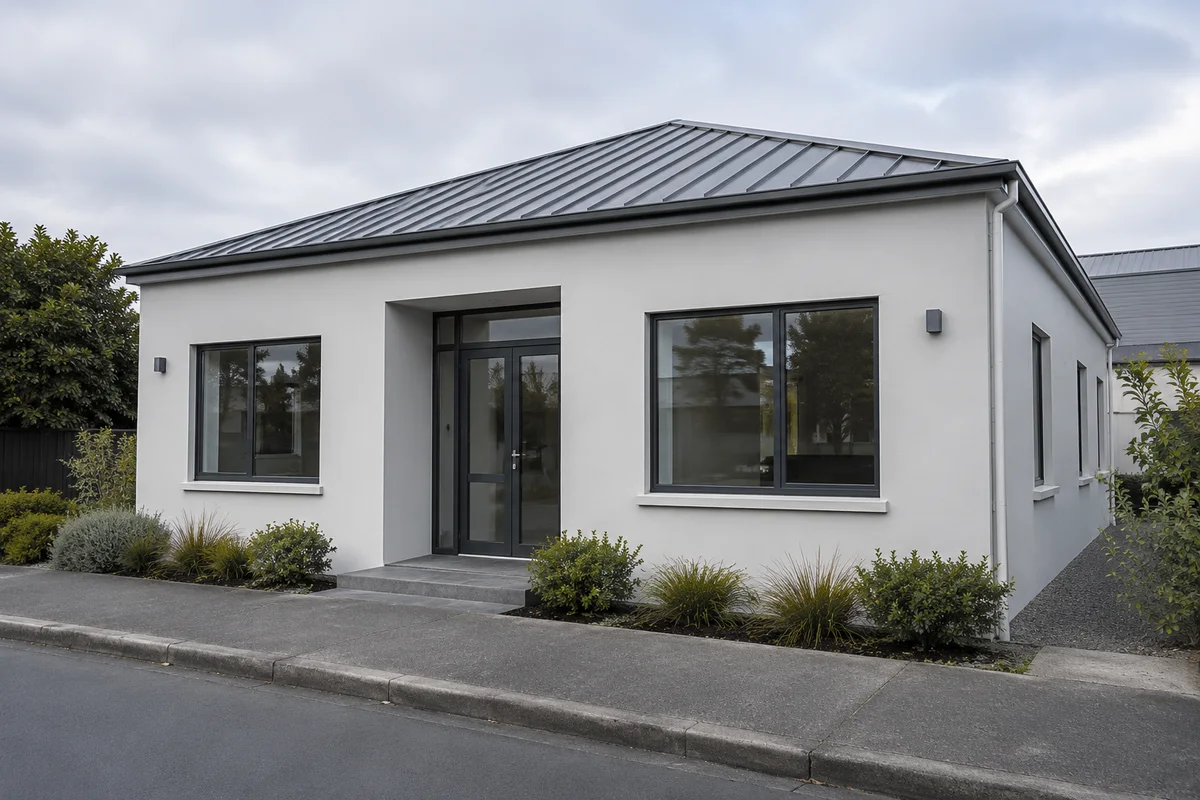
Business property
Roofs, colours and coatings come up on almost every commercial brief.
A workplace roof is a separate job with its own access and safety plan, usually best sequenced with wall painting.
Hard-wearing coatings for high-traffic floors, walls and exteriors need matching to how the premises are used.
Helps match brand colours and test them against lighting, signage and existing fixtures.
A flat valley with light-commercial and industrial buildings alongside homes, so access and trading questions come up often.
A northern hub with commercial buildings, townhouses and newer subdivisions, where shared access can matter.
Premises brief
Send the address, opening hours, the areas that can close and photos of the surfaces. Mention if the premises are leased or in a shared building, so access and approvals can be talked through early.