
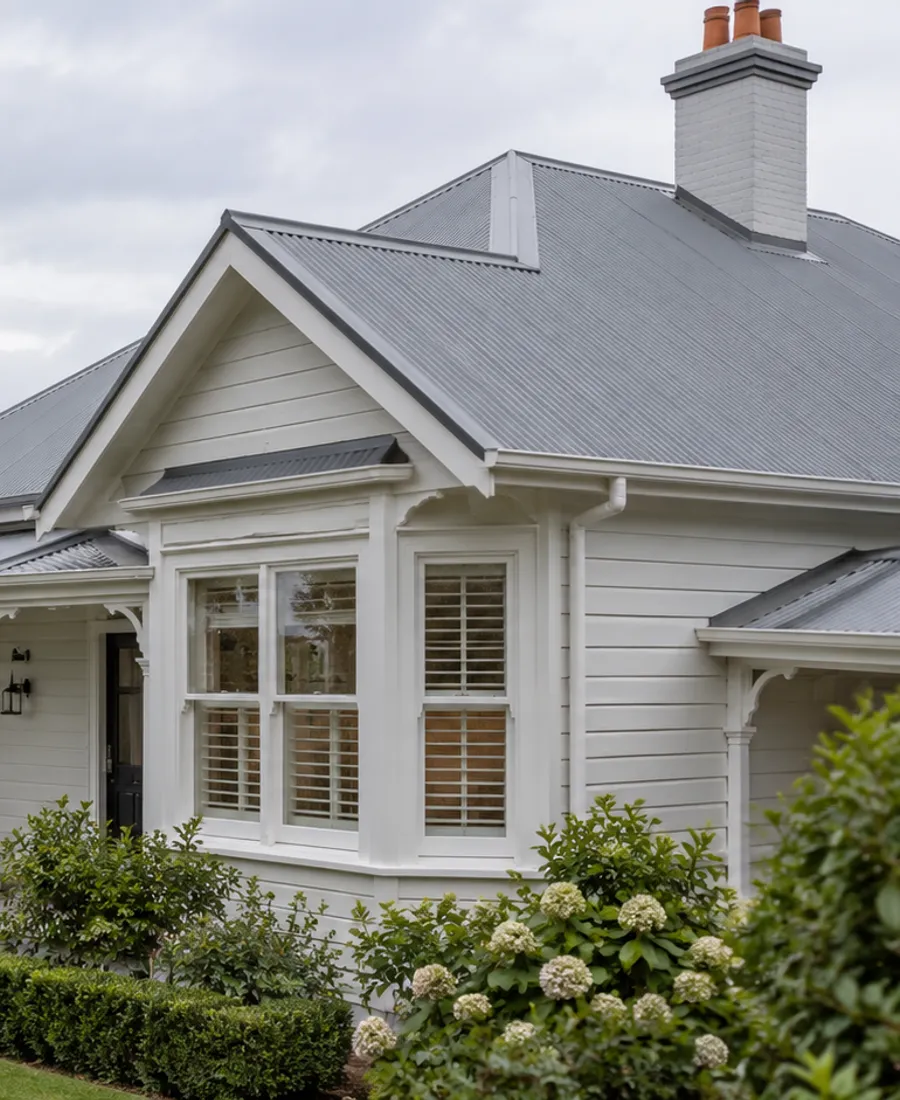
Planting under the eaves
Shrubs and beds beneath the roofline can be covered or tied back, and cleaning runoff kept off them. Mention anything delicate or newly planted.
Auckland / North Shore
Thoughtful preparation. A considered finish. Start with a conversation about your property.
Start with the surface
Planning Roof Painting Birkenhead starts with understanding your own roof rather than choosing a colour alone. Metal and concrete tile surfaces can need different preparation, and the existing coating, visible wear and repair history all matter. Tell us whether the roof is fading, flaking or showing signs of damage so the enquiry can focus on the work your property needs.
For a home, rental or shared building in Birkenhead, access and approval arrangements are part of the conversation. Include the number of storeys, any shared driveway or body corporate requirements, and photographs taken safely from the ground. Preparation, repair needs and a compatible coating system should be clear before work is agreed. Use the form to describe your roof, or call to discuss an assessment and a practical next step.
Hillside access
Steep streets change the practical side of a job before any paint is opened. A vehicle may have to stop some distance from the house, the way from road to door may be steps rather than a driveway, and the ground beside the building may fall away.
Tell your painter what the approach really looks like. Photograph it from the street so the person quoting can see it, and mention any shared or narrow driveway that other residents need to keep using.

Mature trees
Large trees bring shade and privacy. They also drop things onto a roof. Match what you can see with what to raise.
| Aspect | What you may see | What to raise in the quote |
|---|---|---|
| Leaf and twig litter | Debris packed into valleys and gutter lines, holding damp against the surface. | Ask for valleys and gutters to be cleared before cleaning and coating begin. |
| Shaded slopes | Moss, lichen or dark algae on slopes the sun rarely reaches. | Ask how growth is removed and what condition the coating beneath it is in. |
| Overhanging branches | Scuffed or scratched coating where branches rub, with drips and shade over the same patch. | Say which branches you will trim before the job, and who arranges it. |
| Sap, seeds and droppings | Sticky or stained spots that can resist normal cleaning. | Send close photographs so the cleaning method can be matched to the stain. |
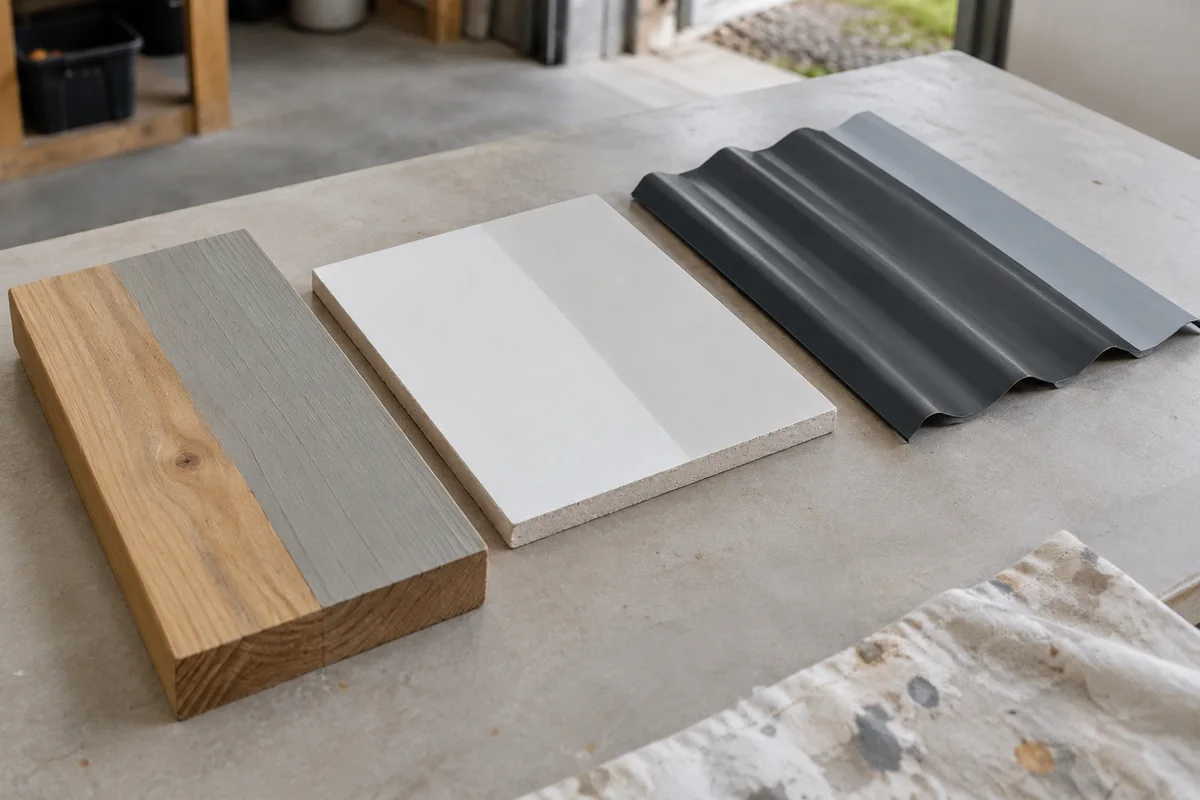

Roof geometry
Older homes are often extended over the years, and extra rooms can mean extra roof levels. A roof made of several planes, with dormers or an addition, has more edges, more junctions and more places where one surface meets another. Count the sections you can see and treat each as its own item, because an addition may not match the original in material or coating.
Around Birkenhead
Other older-home suburbs, and the services that suit a roof with a history.
A peninsula village with many older villas and bungalows; its page covers older coatings and sea on several sides.
Older, character-rich homes on a harbour point, where roof colour and exposure to harbour weather are the main questions.
Sloping sections and narrow access in places, which compares with the steep-street planning in Birkenhead.
Leaf fall from mature trees lands in the gutters first; this explains why clearing them comes before coating.
If the walls are timber boards, their paint condition belongs in the same plan as the roof.
A roof colour beside older cladding and joinery is easier to judge with samples in daylight.
Protecting surroundings
Established gardens and sloping ground leave little room for mistakes. Ask how each of these will be covered or kept clear.
Shrubs and beds beneath the roofline can be covered or tied back, and cleaning runoff kept off them. Mention anything delicate or newly planted.
Glass, sills and frames below the roof take splashes and drips. Ask what masking or covers go on before cleaning starts.
On sloping ground, wet residue and loose flakes can make steps slippery. Ask how debris is collected and how paths stay safe to use.
Cleaning water and flakes should not wash into the stormwater system. Ask how residue is caught and outlets are kept clear.
Fences, washing lines and neighbouring cars can sit close to a steep property. Let the people next door know when work is planned.
Birkenhead enquiries
Include photographs of the roof, the approach from the road and any trees close to the house. Honest notes about steps, slope and past repairs will shape the scope more than a colour choice.