
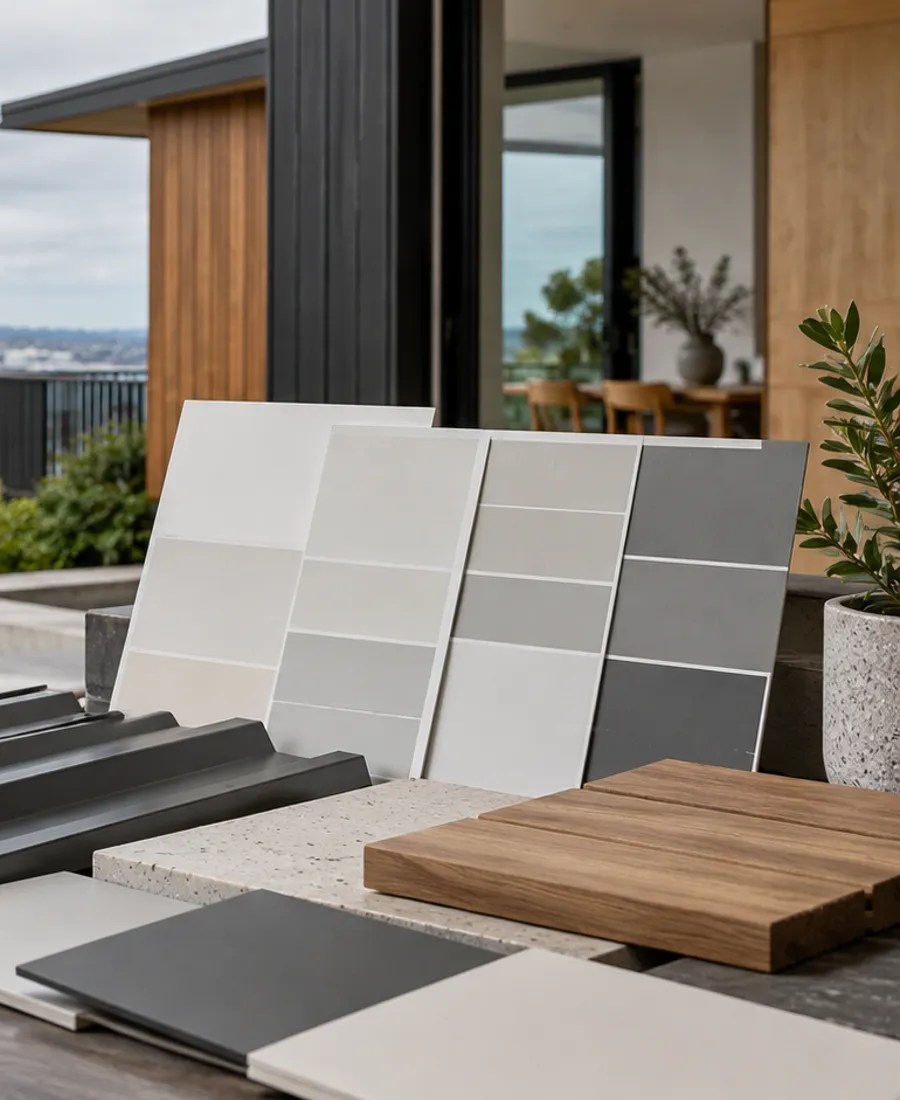
Matt or flat
Ceilings overhead
Ceilings are seen in raking light and rarely touched, so a flat finish tends to hide roller marks and small flaws.
Auckland Roof Painting Pros
Thoughtful preparation. A considered finish. Start with a conversation about your property.
Start with the surface
Our Auckland Paint Selection service starts with the property and the surfaces involved. For paint selection, the important considerations include substrate compatibility, sheen and coating-system requirements. Understanding the existing material, coating and condition helps define the right preparation before a finish is selected. Tell us about visible wear, previous work and any areas that need particular attention.
A useful proposal should set out the surfaces included, preparation, any agreed repairs, the coating system and access arrangements. Timing also needs to allow for suitable application and drying conditions. Share your address, photographs and preferred timing through the enquiry form, or call to discuss the project. We can then clarify the details that need assessment and the next step for your property.
Selection order
Answer these in order and the product choice usually narrows to a short list on its own.
Timber, plasterboard, masonry, metal and concrete tile each want a different system. If you are unsure what a surface is, say so and send photos rather than guessing.
An existing coating can limit what goes over it. If nobody knows what is there, ask for a small test area before the whole job is committed to a system.
A shaded wall, a sunny roof and a bathroom ceiling are different problems. Say where the surface is and what it has to put up with.
The quote should name the primer, topcoat and sheen for each surface, so you can compare like with like and keep a record of what was agreed.
Around paint choice
The right product depends on the work done before it and the decisions made beside it.
Colour and coating are chosen together, so samples and the schedule need to name both.
What is left on the surface after stripping decides which primer and topcoat will bond.
Filled repairs soak up paint differently and often need sealing before the topcoat.
Fillers and sealants have to be paintable, and compatible with the coating that goes over them.
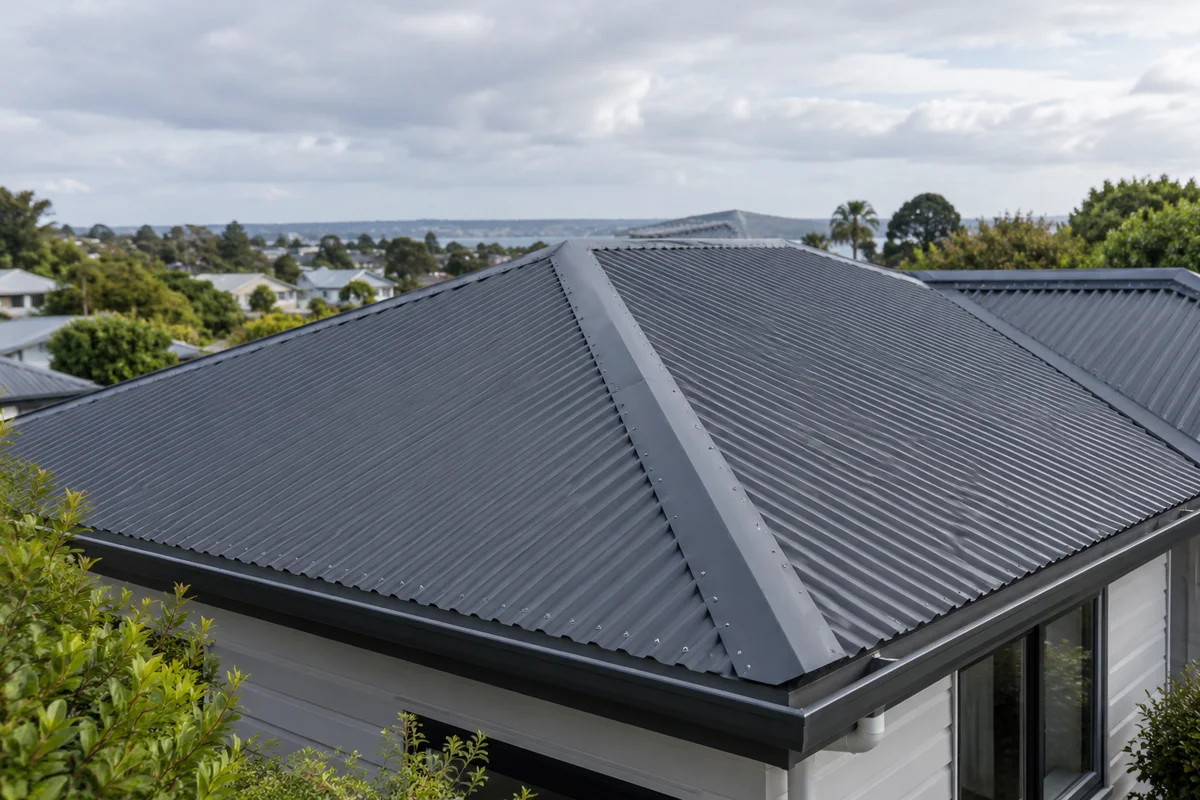
Roof coatings are chosen as a system for the roof material and the weather it faces.
Sheen choices
There is no single best sheen. It depends on the light, the wear and how forgiving the surface needs to be.
Ceilings are seen in raking light and rarely touched, so a flat finish tends to hide roller marks and small flaws.
A low sheen gives a soft look with some wipe-ability, and is more forgiving over minor wall imperfections than a glossier coat.
Steam, splashes and regular wiping favour a tougher, more washable finish. Ask which product is made for wet areas, not only which sheen.
Hands and knocks land here, so a harder, more wipeable sheen is typical. Higher sheens also show every dent, so preparation counts.
Roof coatings come as a system, with the finish decided by the product. Ask what it is rather than picking a sheen as you would for a wall.
Primer and topcoat
The two coats are chosen as a pair. A good topcoat over the wrong primer can still fail.
Dirt, chalk and loose paint stop anything sticking, however good the product. The surface is cleaned and repaired before any coat goes on.
Bare timber, patches, stains and awkward old finishes may need a primer chosen for that job. Not every surface does, and the maker's data sheet says which.
Pick the topcoat the primer is designed to sit under. Mixing makers or products at random risks poor adhesion or an uneven look.
Each coat needs time before the next, and before the finish is washed or loaded. The maker sets that, so ask what the instructions say for your product.
Product record
Once a job is finished, the paint on your walls is easy to forget and hard to identify. A written record fixes that. Ask for the product name and colour code of every coat, the sheen, and the primer used underneath. Photograph the tin labels while they are on site.
That record makes touch-ups match, helps the next painter choose compatible products, and gives you something concrete if a finish ever needs to be discussed. Ask for the maker's care advice too, including when the finish can be washed.

Surface details
Tell us what each surface is made from, what is on it now and where it sits. We can then talk through the primer, topcoat and sheen to ask for in your quote.