
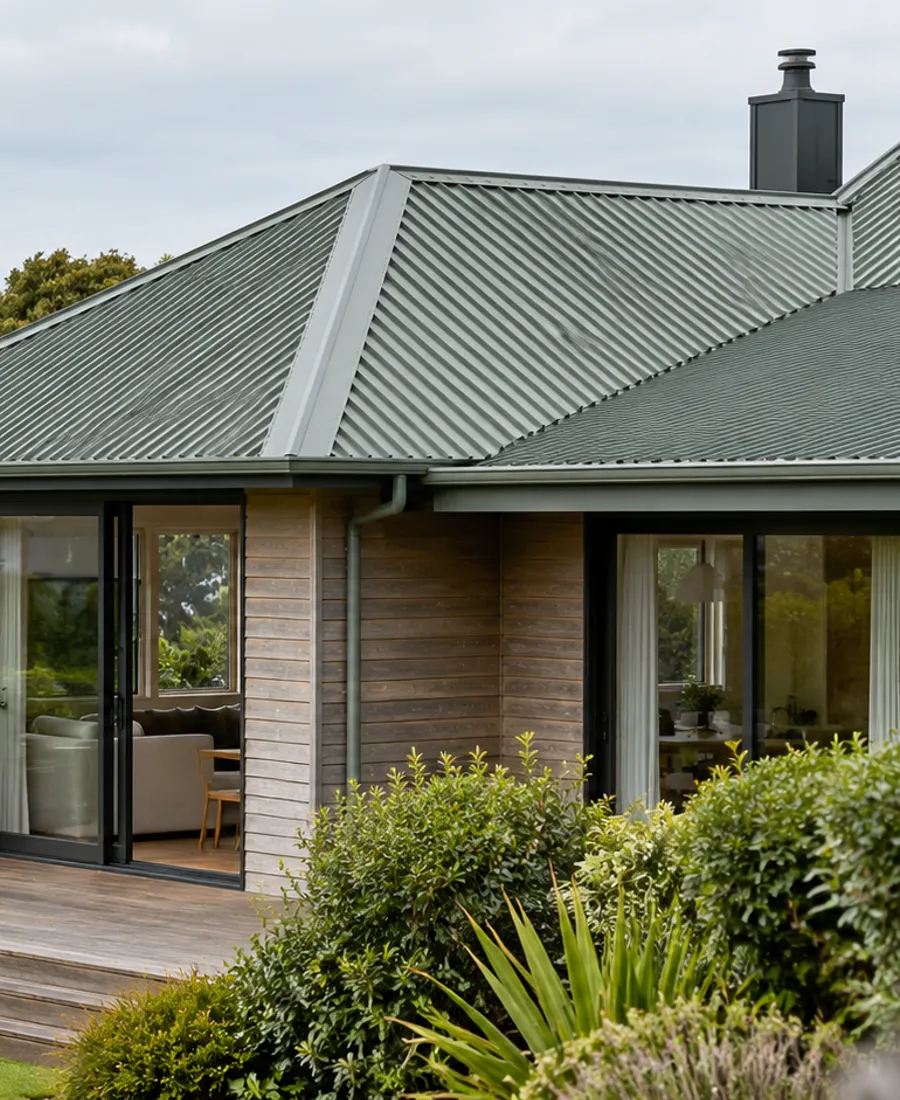
Fixings and fasteners
Small heads that catch salt and moisture. Rust bloom around them is an early sign, and a close photograph helps the assessment.
Auckland / North Shore
Thoughtful preparation. A considered finish. Start with a conversation about your property.
Start with the surface
Planning Roof Painting Campbells Bay starts with understanding your own roof rather than choosing a colour alone. Metal and concrete tile surfaces can need different preparation, and the existing coating, visible wear and repair history all matter. Tell us whether the roof is fading, flaking or showing signs of damage so the enquiry can focus on the work your property needs.
For a home, rental or shared building in Campbells Bay, access and approval arrangements are part of the conversation. Include the number of storeys, any shared driveway or body corporate requirements, and photographs taken safely from the ground. Preparation, repair needs and a compatible coating system should be clear before work is agreed. Use the form to describe your roof, or call to discuss an assessment and a practical next step.
Salt-air detail
Salt air reaches every exposed part of a roof. On a profiled metal roof a few details tend to show wear first, and they are worth photographing from the ground.
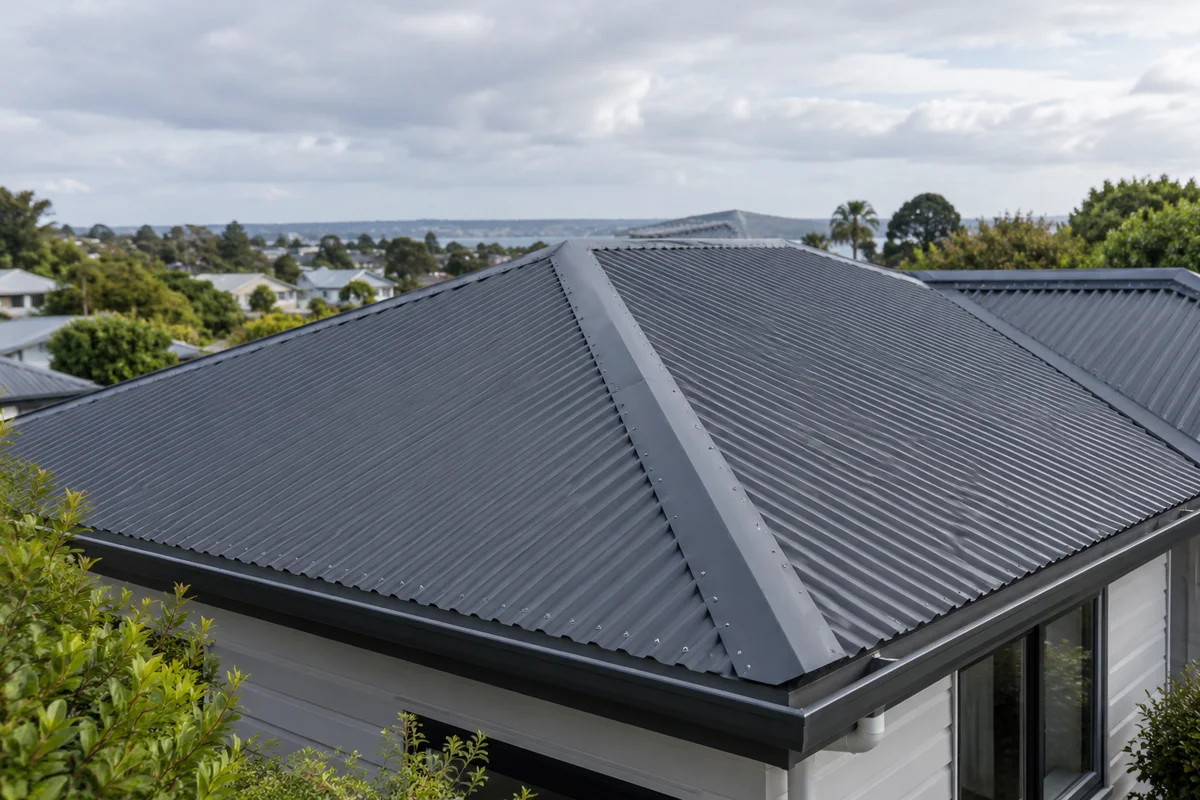
Small heads that catch salt and moisture. Rust bloom around them is an early sign, and a close photograph helps the assessment.
Cut edges and overlaps expose bare metal or trap moisture. Rust lines or lifting paint here usually start small and spread.
The highest and outermost parts take the most direct weather. Look for dullness, flaking and staining running down the slope.
Joins against walls, vents and chimneys are where movement and water meet. Note any gaps or stains, and ask whether they are repaired first.
Sloping sections
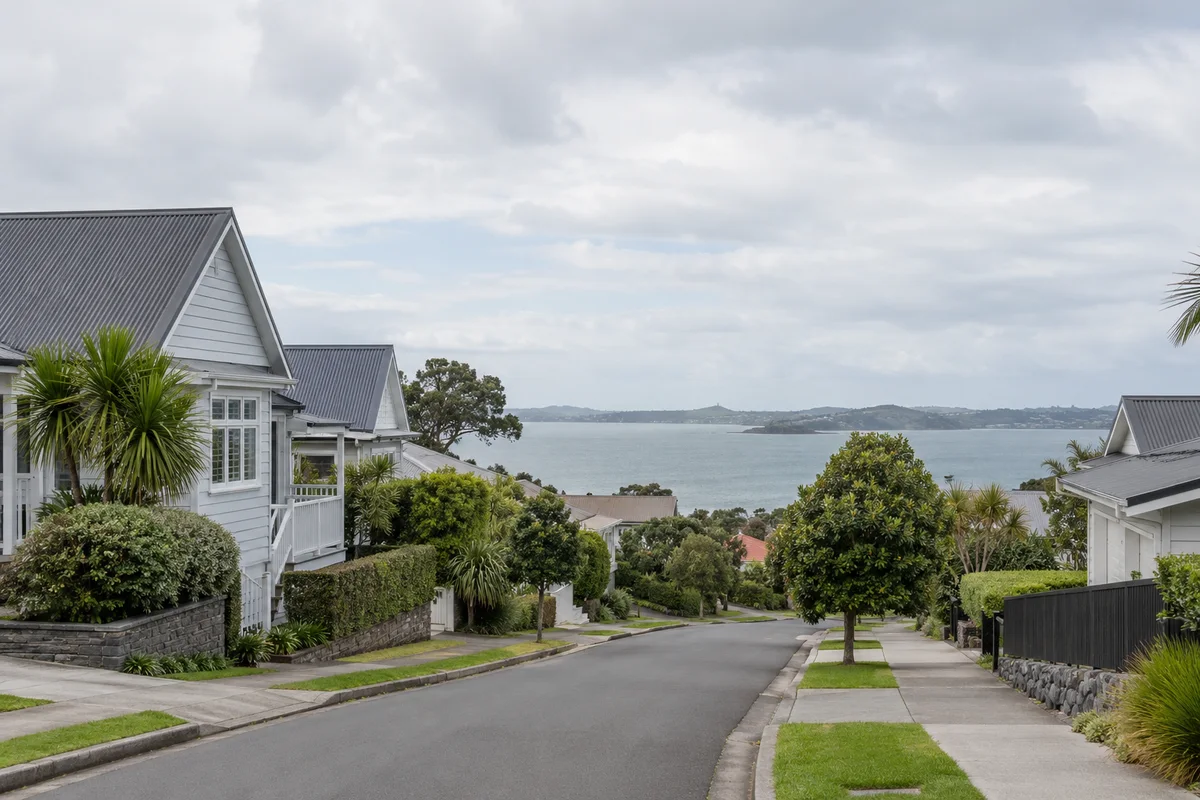
A sloping section changes where access equipment can stand and how materials reach the roof. These are the details most worth telling us.
Say how steep and how narrow it is, and whether a vehicle can reach the house. A hard approach changes how gear and materials arrive.
If the climb from the street is mostly steps, say so. Everything may need carrying, which affects how the job is planned.
A wall at the back or side can limit where a ladder or tower can stand. Include it in a wide photograph so it can be assessed.
Steep gardens are slippery and easily damaged. Mention planting beside the house so it can be protected, or trimmed back by agreement.
On a slope, one side of the house can stand well above the ground. Tell us how many levels face the lower side, because it changes the height involved.
Nearby bays
Neighbouring beach suburbs share the sea air and the slopes. The service pages cover the repair and coating decisions that follow from what you see.
Homes of several eras, so the focus is on what coating is already on the roof, which helps if you are not sure.
Another East Coast Bays beach suburb with sloping sections and sea views, so the access questions carry across.
Covers matching the clean to the roof material and handling runoff, the step that matters most where salt deposits are a concern.
If rust at fixings or lifting at the edges has gone past cosmetic, this lays out repairs first and a compatible coating after.
Primer, topcoat and sheen must suit the surface, which is worth understanding before agreeing a coating system near the sea.
Photo brief
Good photographs save a lot of back and forth. Take every one of them standing on solid ground. A phone's zoom does the work a ladder would.
Campbells Bay roof enquiry
Photographs from the lowest point of the section, a note on how you reach the house and the roof material if you know it are enough to start. We will tell you what else is worth checking.