
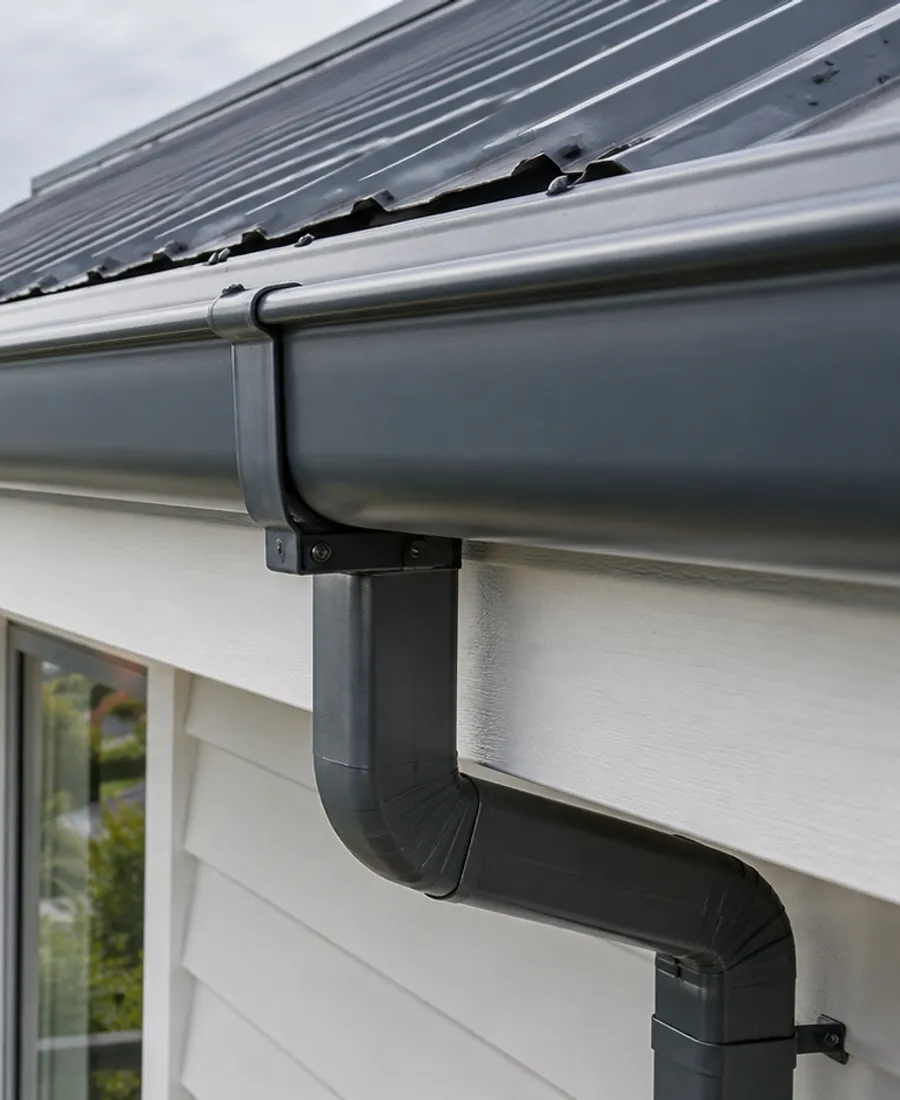
Local faults suit local repairs
One opened joint, a few loose brackets or a single cracked section can be dealt with in place. The rest of the run is sound, so there is no case for replacing it. Ask which joints and sections are being treated.
Auckland Roof Painting Pros
Thoughtful preparation. A considered finish. Start with a conversation about your property.
Our Auckland Gutter Repair service starts with the property and the surfaces involved. For gutter repair, the important considerations include leaking joints, damaged sections and roof-edge access. Understanding the existing material, coating and condition helps define the right preparation before a finish is selected. Tell us about visible wear, previous work and any areas that need particular attention.
A useful proposal should set out the surfaces included, preparation, any agreed repairs, the coating system and access arrangements. Timing also needs to allow for suitable application and drying conditions. Share your address, photographs and preferred timing through the enquiry form, or call to discuss the project. We can then clarify the details that need assessment and the next step for your property.
Quotes depend on the individual property, surface condition and access.
Prefer to talk? 09 977 9907 · Mon–Fri 8am–6pm, Sat 9am–1pm
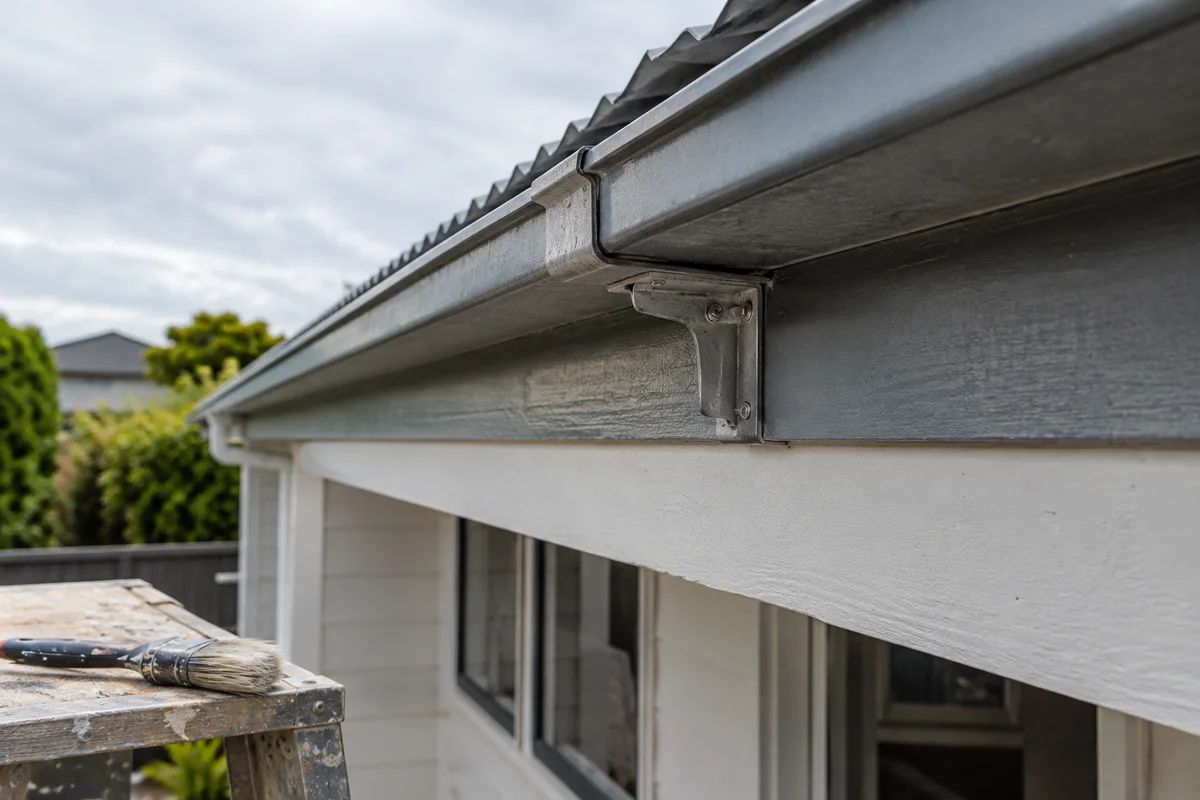
Anatomy of a run
A gutter run is only as good as its weakest joint. Sections meet at joins and corners, hang from brackets, and slope very gently toward the outlets so water travels instead of standing. When one of those slips, the symptoms look alike but the fixes are not.
Reading the symptoms
Different leaks point to different faults. Treat this as a starting guide, not a diagnosis; the real cause is confirmed on site.
| Aspect | Where you notice it | Likely cause |
|---|---|---|
| Drip at a join | Under the gutter, at a corner or between sections | Aged sealant, or a joint that has opened as the run has moved |
| Overflow in a downpour | Over the front edge, with the gutter still in place | A blocked outlet, a lost fall, or a run holding standing water |
| Wet wall or stained fascia | Behind the gutter, running down the wall | Water going over the back edge, or a run that has pulled away from the board |
| Sag between brackets | A visible dip along the run | Missing or loose brackets, or the weight of silt and debris |
| Rust marks or holes | Streaks below, pinholes along the base | Corrosion in an older metal gutter, often where water has sat |
Repair or replace
One opened joint, a few loose brackets or a single cracked section can be dealt with in place. The rest of the run is sound, so there is no case for replacing it. Ask which joints and sections are being treated.
If rust, cracking or leaking shows along most of the run, repeated patching turns into a cycle. At that point a replacement conversation is more honest, and a good quote will say so. Soft fascia behind the run can push the answer the same way.
Sometimes the gutter is fine and the leak is at the outlet or the downpipe connection. Ask for both to be looked at, so the repair lands on the part that is actually failing.
The quote should name the sections, joints, brackets and outlets being treated, and say what happens if more is found. That protects both sides from assumptions about what was covered.
If repair is not the answer
A repair sits between cleaning and replacement. These pages cover the jobs on either side of it.
A blocked outlet can look exactly like a failed joint, so clearing the run is often the first check.
When wear is widespread, this explains how a replacement run, its outlets and the fascia are handled.
Roof-edge problems often show up together, so the gutter and the roof above can be planned in one visit.
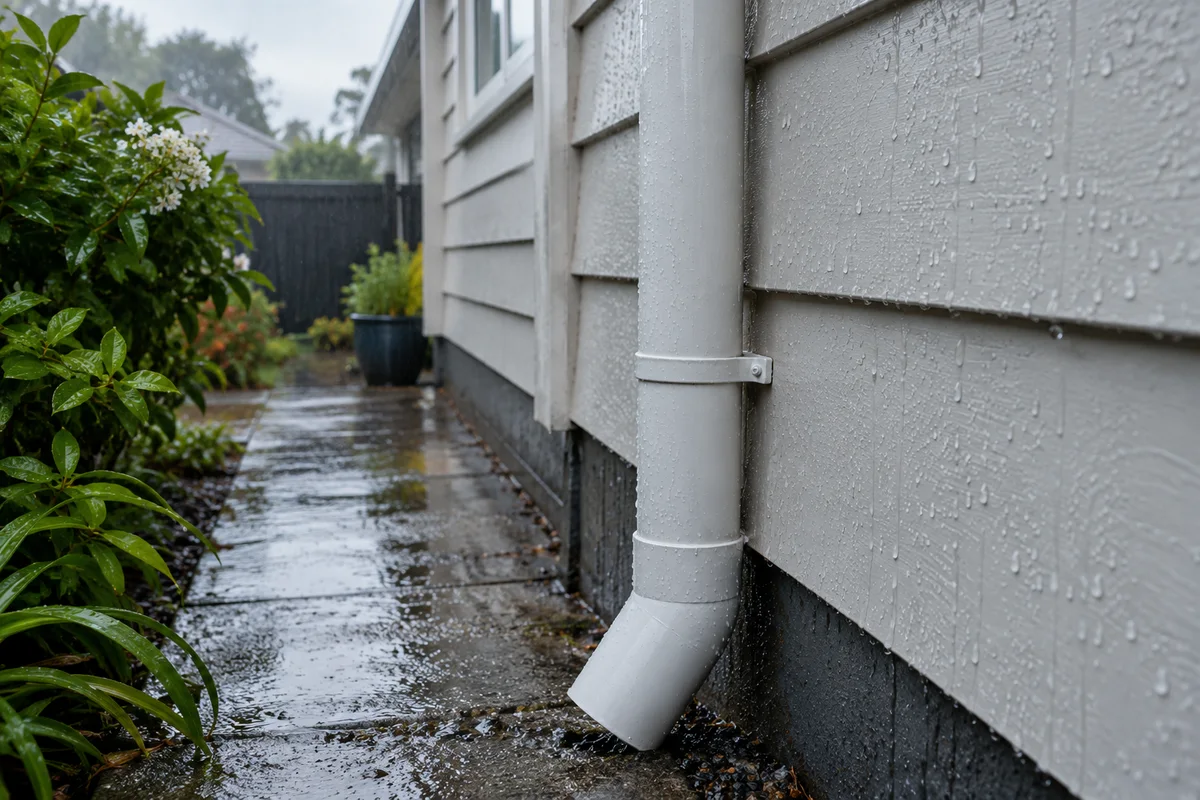
Proving the fix
A repair that looks neat can still leak. The sequence below is what separates a fix from a cosmetic touch-up.
A blocked outlet, an open joint, a lost fall and a loose bracket can all look like a leak. The cause is identified before any sealant goes on.
Joints are resealed or remade, brackets refixed and damaged sections replaced as the scope describes. Extra faults are reported and agreed before they are fixed.
Water run through the repaired section lets the joints and outlets be watched for drips. Ask how the check will be done and what you will be told afterwards.
Types of repair
Repair is a family of small jobs, not one. Knowing the names helps you read a quote.
Suits a join that has opened but is otherwise sound. Old sealant is cleaned out first so the new sealant has a clean surface to hold.
Brings a drooping run back into line and restores the fall. It only lasts if the board behind can hold the new fixings.
For a cracked, holed or rusted length. Ask how the new piece will match the profile and be joined to the old run.
Where water pools or spills near the downpipe, the outlet or its connection may be the culprit rather than the run itself.
Damaged boards are repaired or replaced before gutters are refixed. Ask whether that is in the scope or treated as a separate job.
Gutter repair enquiry
Say where the water escapes, how many storeys the house has and how the gutter is reached. Photos or a short video from the ground are enough to start a conversation about the repair.