
Shaded faces
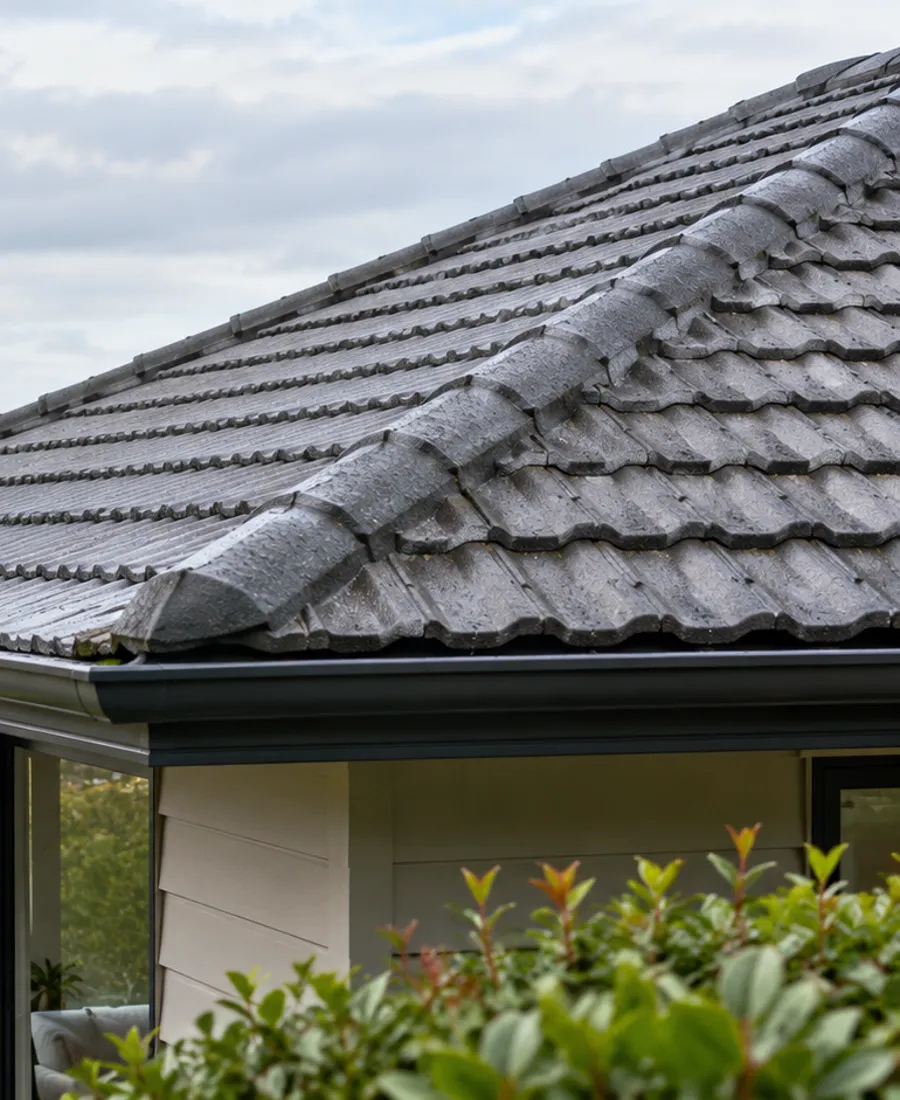
Slopes that miss the sun stay damp longest, so growth tends to build there first. A face lit all day may need very little.
Auckland Roof Painting Pros
Your Local Expert in Water Blasting and Roof Cleaning
Our Auckland Roof Cleaning service starts with the property and the surfaces involved. For roof cleaning, the important considerations include roof material, biological growth and controlled surface cleaning. Understanding the existing material, coating and condition helps define the right preparation before a finish is selected. Tell us about visible wear, previous work and any areas that need particular attention.
A useful proposal should set out the surfaces included, preparation, any agreed repairs, the coating system and access arrangements. Timing also needs to allow for suitable application and drying conditions. Share your address, photographs and preferred timing through the enquiry form, or call to discuss the project. We can then clarify the details that need assessment and the next step for your property.
Water blasting is a perfect method for cleaning iron roofs. Using high-pressure water, we will wash and rinse your entire iron roof. We will remove all types of dirt from your roof to your gutters.
This method also removes all moss, lichens, leaves, and mould from your roof. Enjoy a clean, brand-new-looking roof with the best Auckland roof painters.
Quotes depend on the individual property, surface condition and access.
Prefer to talk? 09 977 9907 · Mon–Fri 8am–6pm, Sat 9am–1pm
Where growth settles
Growth does not spread evenly. It follows shade, moisture and trapped debris, which is why one roof can be clean on one face and green on another.
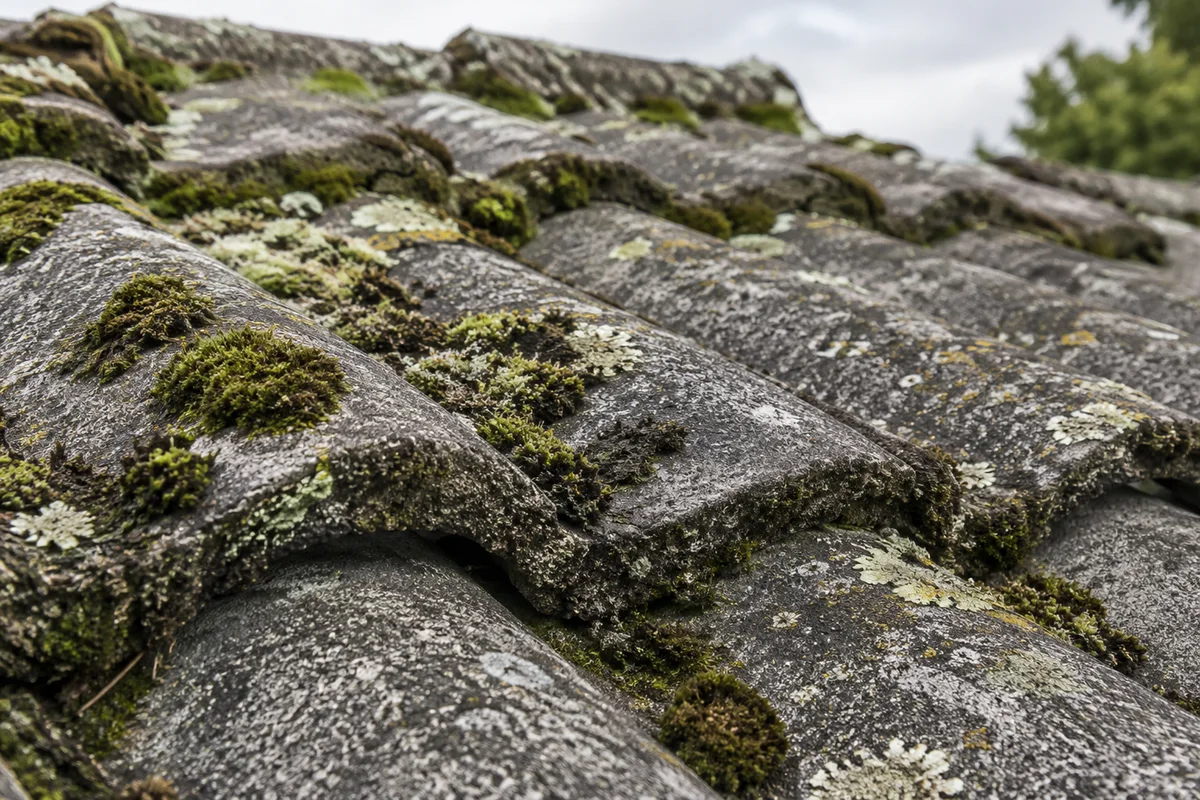
Slopes that miss the sun stay damp longest, so growth tends to build there first. A face lit all day may need very little.
Leaf litter and grit settle where roof planes meet and where sheets or tiles overlap. They hold moisture against the surface.
Branches drop leaves and needles, shade the roof and drip onto it. Cutting back, where the tree is yours to trim, can slow regrowth.
Loosened growth washes down into the gutters. Cleaning the roof without clearing the run below only moves the problem.
Growth signs
A little green is a surface matter. These point to growth that is holding water, loosening material or heading for the gutters.
A dense layer can hold water against tiles or sheet laps for long stretches and lift at the edges. That is the stage where cleaning is worth doing soon.
Clumps and gritty residue in the run or on the path below mean the roof surface is shedding. The gutters will need clearing alongside the roof.
Black or brown streaking that follows the fall of the roof is growth, not only dirt. It can return if the cause, usually shade and dampness, stays.
If paint is flaking or powdery under the growth, rough cleaning can strip more of it away. The method has to change, and a recoat may be the real question.
Around the clean
The wash itself is only the middle of it. What you do beforehand and what you check afterwards matter just as much.
Move cars, outdoor furniture and anything fragile away from the walls. Close windows, and note where downpipes discharge so runoff can be directed.
Growth and grime come off with a method matched to the material, working so loosened debris and runoff do not land on walls, gardens or the neighbours.
A clean surface shows cracked tiles, worn coating and rust more plainly. Decide then whether the roof needs repairs, a repaint, or just a repeat clean when growth returns.
Clean, then what?
Cleaning can be the whole job or the first stage of a bigger one. The state of the coating decides which.
If the coating still looks sound, a clean may be all the roof needs. If it is flaking or chalky, treat the clean as the first stage of a repaint.
After the clean
Once the surface is clear, the next decision depends on what it shows. These pages cover the usual directions.
A cleaned, sound roof is the starting point for a repaint, and this covers primer, topcoat and colour.
If cleaning exposes cracked tiles, rust or lifting paint, repairs come before any coating.
Loosened moss and grit end up in the gutters, which is why the two jobs are often done together.
Growth and silt that have sat in a gutter can hide leaking joints until the run is cleared.
Roof cleaning enquiry
Tell us the roof material, how shaded it is and where the growth sits. Photos from the ground help work out whether it needs cleaning, repairs or a recoat.